




 UN
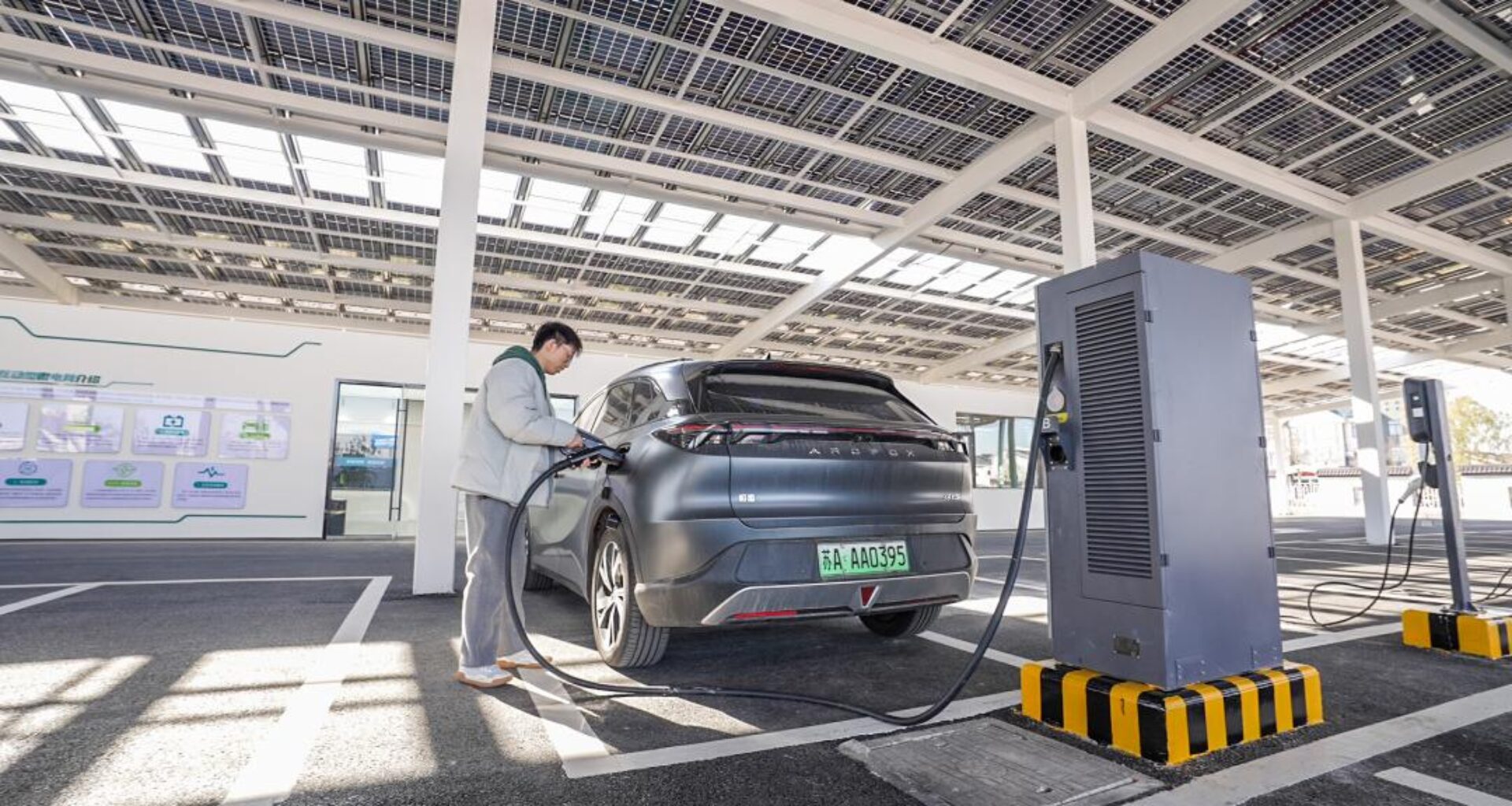
China has called for stronger international cooperation and fewer trade barriers on clean energy technologies ahead of the COP31 climate summit in Türkiye. Beijing argues that tariffs and restrictions on green technologies could slow global emissions reductions and make the transition to clean energy more difficult, particularly for developing countries.
China warned on October 21 that protectionist trade policies targeting clean energy technologies are emerging as a new challenge to global climate action.
Li Gao, China’s Vice Minister of Ecology and Environment, emphasized the need for greater international cooperation and fewer restrictions on renewable energy and electric mobility technologies ahead of the United Nations Climate Change Conference (COP31), scheduled to take place in Antalya, Türkiye, from November 9 to 20, 2026.
The comments come amid ongoing trade tensions involving Chinese electric vehicles, solar panels and other clean energy equipment, particularly in markets such as the United States and the European Union.
Clean Energy Technologies at the Center of Global Trade
China is one of the world’s leading manufacturers of solar panels, electric vehicles and renewable energy equipment.
Falling costs for these technologies have helped make clean energy investments more accessible worldwide. However, the concentration of manufacturing capacity in a limited number of countries has also raised concerns about competition, industrial policy and supply chain security.
The United States and the European Union have defended certain trade measures as necessary to protect domestic industries, address concerns about unfair competition and diversify supply chains.
China, meanwhile, argues that such restrictions could slow the adoption of low-carbon technologies and make clean energy solutions less affordable, particularly for developing economies.
The debate highlights the growing tension between international climate goals and national economic priorities.
Climate Finance Returns to the Agenda
Beijing is also calling for renewed attention to emissions reduction commitments and climate finance obligations among developed nations during the COP31 negotiations.
Chinese officials have urged concrete progress toward the climate finance target agreed at COP29 in 2024, under which developed countries are expected to lead efforts to mobilize at least $300 billion annually for developing countries by 2035.
Climate finance plays a critical role in helping developing economies expand renewable energy infrastructure, reduce greenhouse gas emissions and adapt to the growing impacts of climate change.
For many countries, access to affordable technology and sufficient financial support remains essential to achieving a fair and inclusive energy transition.
Energy Transition to Be Discussed at COP31 in Antalya
Türkiye’s proposal for a global electrification initiative is also expected to feature in discussions surrounding COP31.
Li Gao stressed that such initiatives should be developed through inclusive negotiations and broad international consensus.
The upcoming summit is expected to address the connections between climate commitments, international trade policies and financial mechanisms supporting the global energy transition.
As clean energy technologies become increasingly important to both economic competition and climate diplomacy, the debate demonstrates that the transition to a low-carbon economy is not only an environmental challenge but also an economic and political one.
Decisions made on technology access, trade cooperation and climate finance could have lasting implications for the pace and fairness of the global green transition.