


 UN
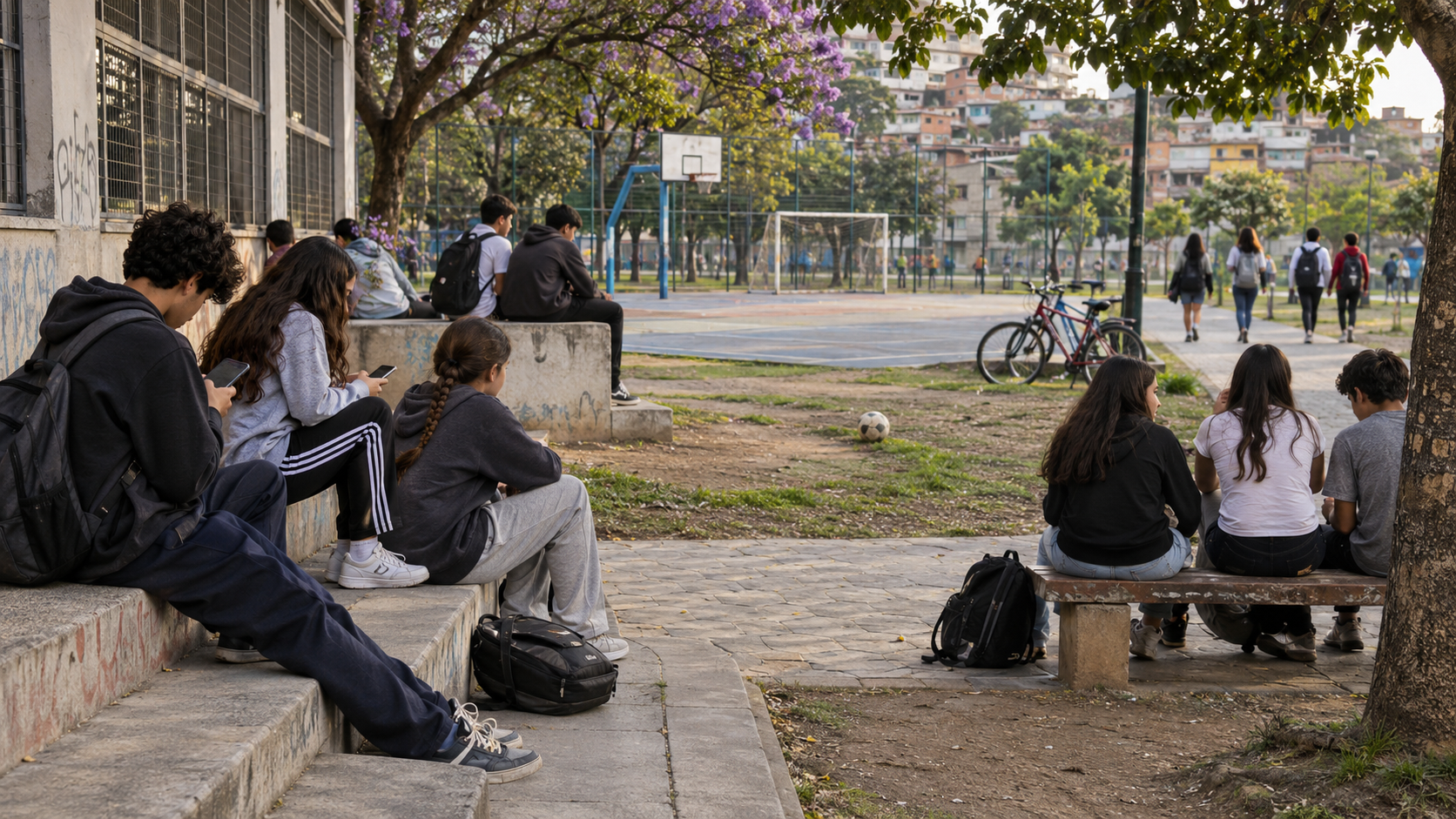
Nearly one in four adolescents worldwide did not achieve at least 60 minutes of physical activity on any day of the previous week, according to new estimates released by the World Health Organization (WHO) on November 4, 2026.
The findings represent approximately 240 million young people aged 11–17 and highlight a persistent global challenge in adolescent health.
Drawing on 389 population-based surveys across 140 countries and territories, involving more than 3.2 million adolescents, the research reveals that physical activity levels have remained largely unchanged over the past 15 years.
Gender disparities remain significant. Around 28% of adolescent girls reported no active days, compared with 22% of boys, reflecting inequalities in access to safe and inclusive opportunities for physical activity.
WHO emphasized that improving adolescent health requires more than encouraging individual exercise. Governments must invest in accessible recreational spaces, safer walking and cycling infrastructure, and school environments that support active lifestyles.
The findings reinforce the importance of integrating health, gender equality and sustainable urban planning into policies that promote healthier communities worldwide.