UN
UN 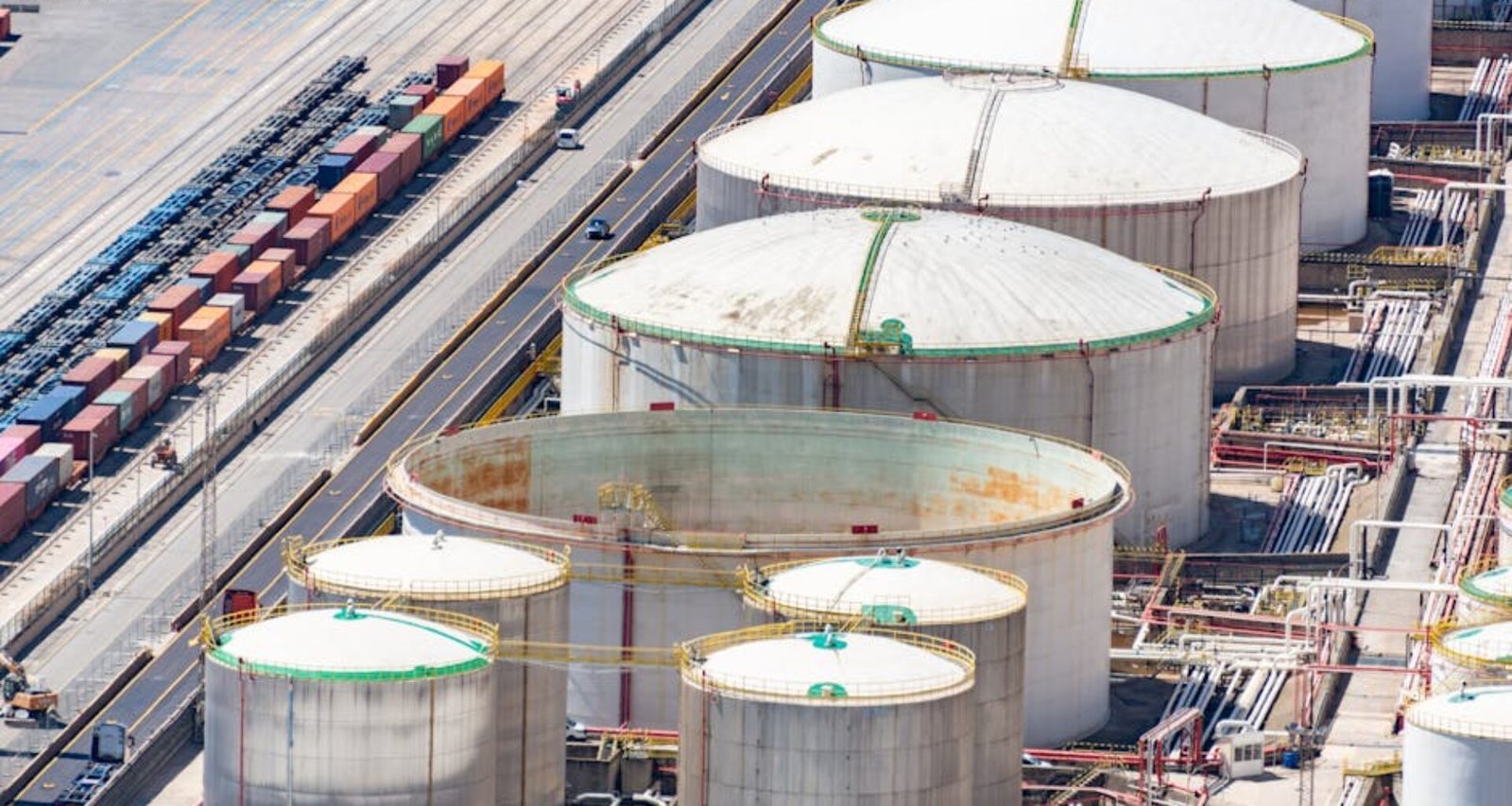
Ongoing disruptions in global energy supplies and trade routes are significantly driving up the costs of food, transportation, and essential goods across the world. These dynamics are contributing to slower economic growth and intensifying financial pressure on vulnerable populations, particularly in developing countries already grappling with debt burdens. The ripple effects are threatening progress toward the United Nations Sustainable Development Goals (SDGs), notably those targeting poverty reduction and economic stability.
Energy supply interruptions, stemming from geopolitical tensions and infrastructure challenges, have led to fluctuating fuel prices that cascade into higher transportation and production costs. Concurrently, trade corridor blockages—caused by logistical bottlenecks and regulatory hurdles—disrupt the timely delivery of commodities and consumer goods, further inflating prices. These compounding factors disproportionately affect low-income households who allocate a larger share of their income to basic needs.
Economic analysts warn that the combination of elevated living costs and constrained economic momentum may push millions more into poverty, reversing gains made in recent years. Developing nations, many of which rely heavily on imports for essential goods and energy, face mounting fiscal pressures as they attempt to stabilize their economies while managing rising debt levels.
Experts emphasize the urgent need for coordinated international responses to address supply chain vulnerabilities and energy security. Strengthening sustainable energy infrastructure, diversifying trade routes, and implementing social protection measures can help mitigate the adverse impacts on vulnerable communities. Multilateral efforts aligned with the SDGs are critical to fostering resilience and ensuring inclusive economic recovery.
As the global community confronts these challenges, transparent monitoring and adaptive policy frameworks will be key to safeguarding development progress and reducing the risk of widespread food insecurity and poverty. The situation underscores the interconnected nature of energy, trade, and social well-being in achieving a sustainable future.