UN
UN 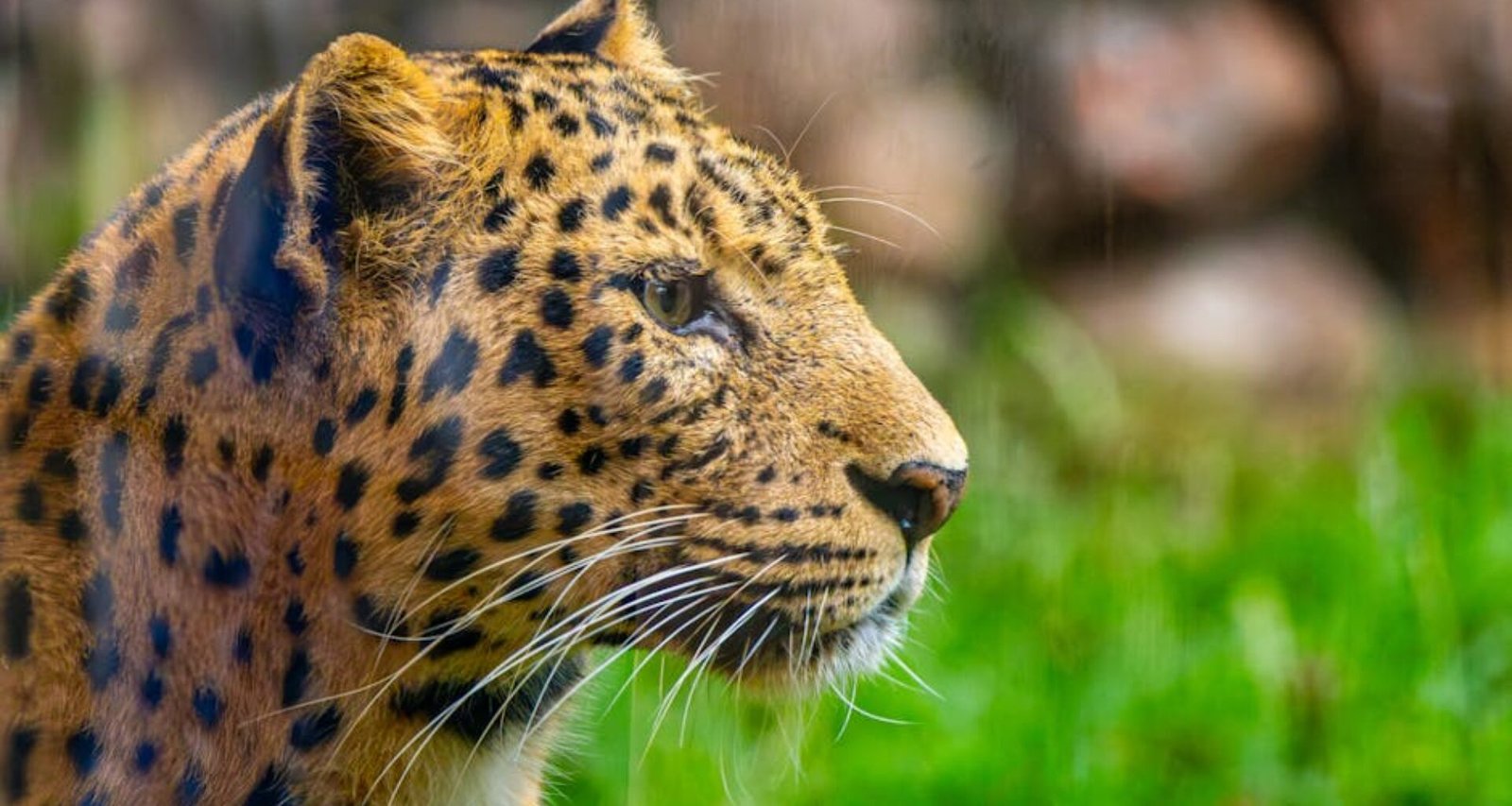
In a remarkable testament to resilience, endangered Persian leopards continue to inhabit the rugged landscapes spanning the border areas between Georgia and neighboring countries, despite facing severe threats from poaching, habitat fragmentation, and remnants of past conflicts such as landmines. The persistence of these elusive big cats highlights both the challenges and opportunities in transboundary wildlife conservation.
Last September, zoologist and conservationist Bejan Lortkipanidze received unexpected footage from Zurab Gurielidze, head of Tbilisi Zoo, showing a Persian leopard handling a high-security fence topped with razor wire under cover of darkness. This rare visual evidence underscores the leopards’ ability to survive and adapt in an environment heavily impacted by human activity and conflict legacy.
The Persian leopard (Panthera pardus saxicolor) is classified as endangered by the International Union for Conservation of Nature (IUCN), with an estimated wild population numbering fewer than 1,000 individuals. Its range historically covered a vast swath of the Middle East and Central Asia, but habitat loss and direct human threats have confined it to fragmented pockets, including the Caucasus region. Poaching for fur and retaliatory killings due to livestock predation remain significant pressures, while the presence of landmines from past wars continues to pose lethal risks.
Conservationists emphasize the critical need for coordinated cross-border strategies to protect these apex predators. Initiatives include establishing transnational protected areas, enhancing anti-poaching patrols, and engaging local communities in coexistence programs. Experts like Lortkipanidze stress that the survival of the Persian leopard is a barometer for the broader ecological health of the region, as these big cats require expansive territories and intact ecosystems.
The ongoing survival of Persian leopards amid such adversity serves as a powerful reminder of nature’s resilience and the imperative for sustained international collaboration to safeguard biodiversity hotspots. As global attention increasingly focuses on biodiversity preservation under the United Nations Sustainable Development Goals, particularly SDG 15 (Life on Land), these efforts in the Caucasus offer a critical case study in overcoming complex conservation challenges.