UN
UN 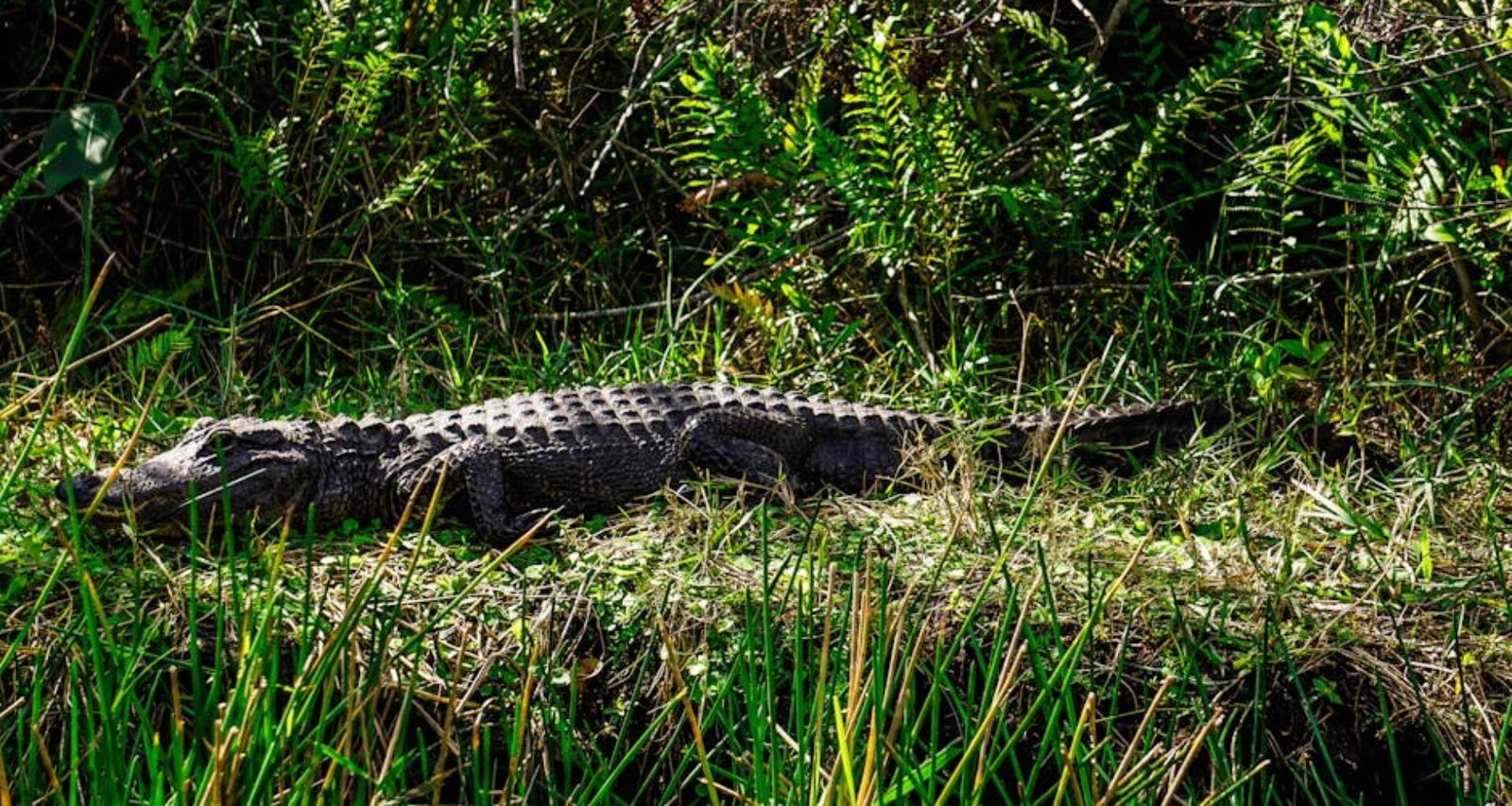
Florida authorities have announced plans to close the migrant detention facility known as Alligator Alcatraz, located within the ecologically sensitive Everglades region, with the shutdown expected as early as June. The decision follows growing scrutiny over the environmental and social impacts of operating a detention site in the “River of Grass,” a UNESCO World Heritage site and critical habitat for numerous endangered species.
The facility has drawn criticism from environmentalists and human rights advocates alike, who have raised concerns about the disruption to the delicate Everglades ecosystem and the welfare of detainees held in the remote location. Officials recently informed vendors that detainees would be relocated to other facilities, signaling a shift in the state’s approach to migrant detention amid evolving immigration policies and environmental priorities.
The Everglades is a crucial natural resource that sustains biodiversity and provides essential ecosystem services, including water purification and flood control. The presence of detention infrastructure in this area has been seen as conflicting with conservation goals outlined under Sustainable Development Goal 15 (Life on Land), which emphasizes the protection and restoration of terrestrial ecosystems.
Closure of the Alligator Alcatraz site may represent a positive step toward balancing human rights and environmental stewardship in Florida. However, it also raises questions about the future of migrant detention practices in the state and the need for sustainable alternatives that respect both people and the planet. Experts suggest that integrating humane migration management with ecological preservation aligns with the broader SDG framework, which calls for inclusive, safe, and sustainable communities.
As Florida prepares to wind down this controversial facility, stakeholders from environmental NGOs to migrant advocacy groups will be watching closely to ensure detainees are treated with dignity and relocated to facilities that meet international standards, while also safeguarding the fragile Everglades ecosystem.