




 UN
UN 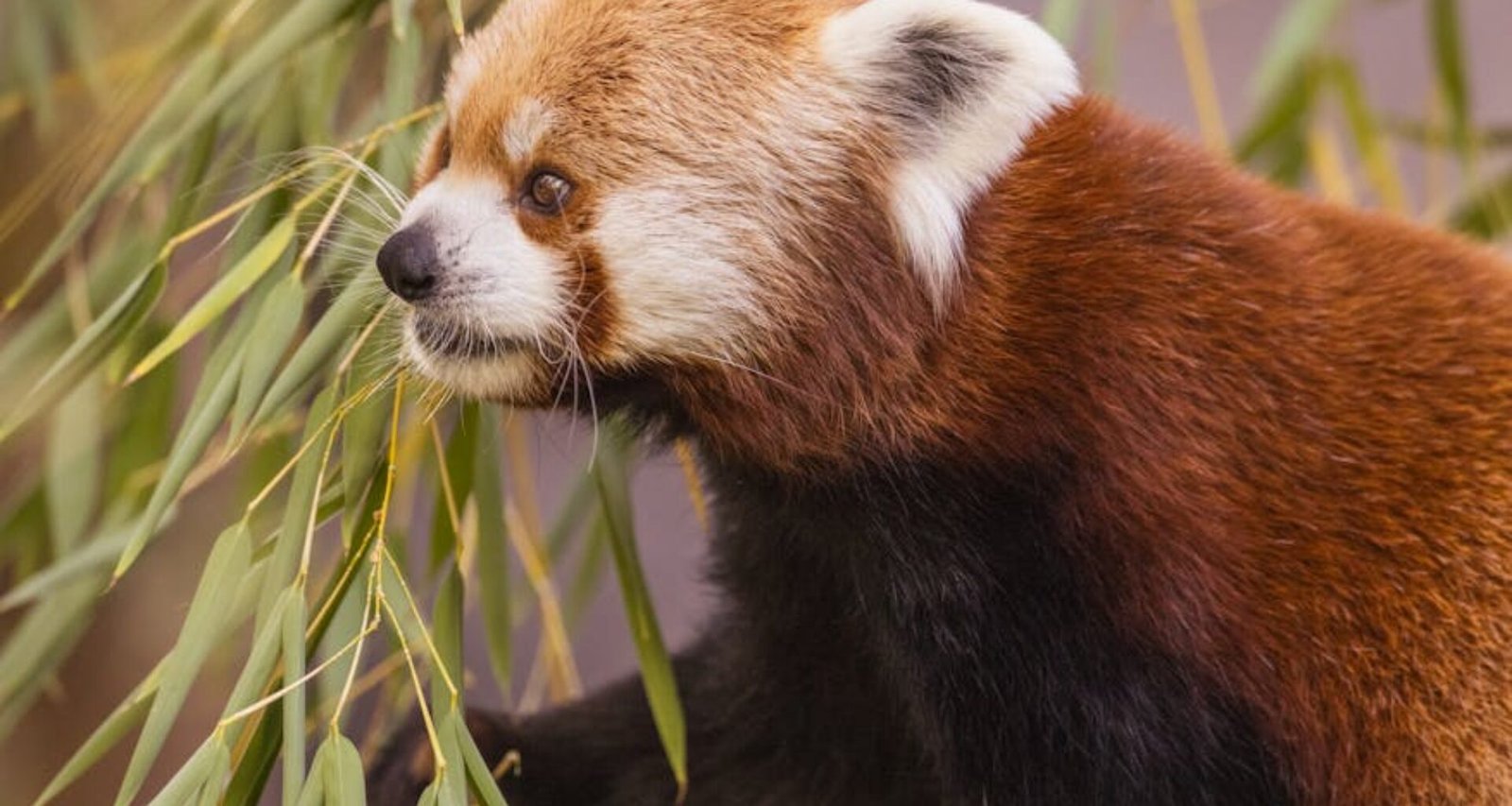
As the world marks Endangered Species Day 2026, attention is drawn to the precarious state of global biodiversity, where at least 18,000 animal species are currently classified as vulnerable, endangered, or critically endangered according to the International Union for Conservation of Nature (IUCN). This sobering figure underscores the urgent need for concerted conservation efforts to safeguard the planet’s wildlife.
Despite the alarming number of species at risk, sustained and targeted conservation initiatives have yielded significant successes. Notable rebounds have been documented in populations of several species, including some wolves, whale species, various lizards, and parrots. These positive trends demonstrate that with adequate resources, policy support, and community engagement, it is possible to reverse the decline of threatened species.
However, the overall picture remains challenging. Many species continue to face existential threats driven primarily by habitat loss, climate change, pollution, and illegal wildlife trade. Deforestation, urban expansion, and agricultural encroachment are fragmenting and destroying habitats at unprecedented rates, leaving many species struggling to survive in increasingly inhospitable environments.
Experts stress that enhancing global biodiversity conservation is critical not only for the survival of individual species but also for maintaining ecosystem services that underpin human well-being. “Protecting endangered species is integral to achieving the United Nations Sustainable Development Goals, particularly those related to life on land (SDG 15) and life below water (SDG 14),” said Dr. Elena Martinez, a biodiversity specialist. “Our actions today will determine the richness of the planet’s biodiversity for generations to come.”
As governments, NGOs, and communities reflect on Endangered Species Day, the message is clear: while conservation victories offer hope, sustained and scaled-up efforts are imperative. Investing in habitat protection, enforcing anti-poaching laws, and supporting indigenous stewardship are among the vital strategies needed to stem the tide of biodiversity loss and secure a sustainable future for all species.