


 UN
UN 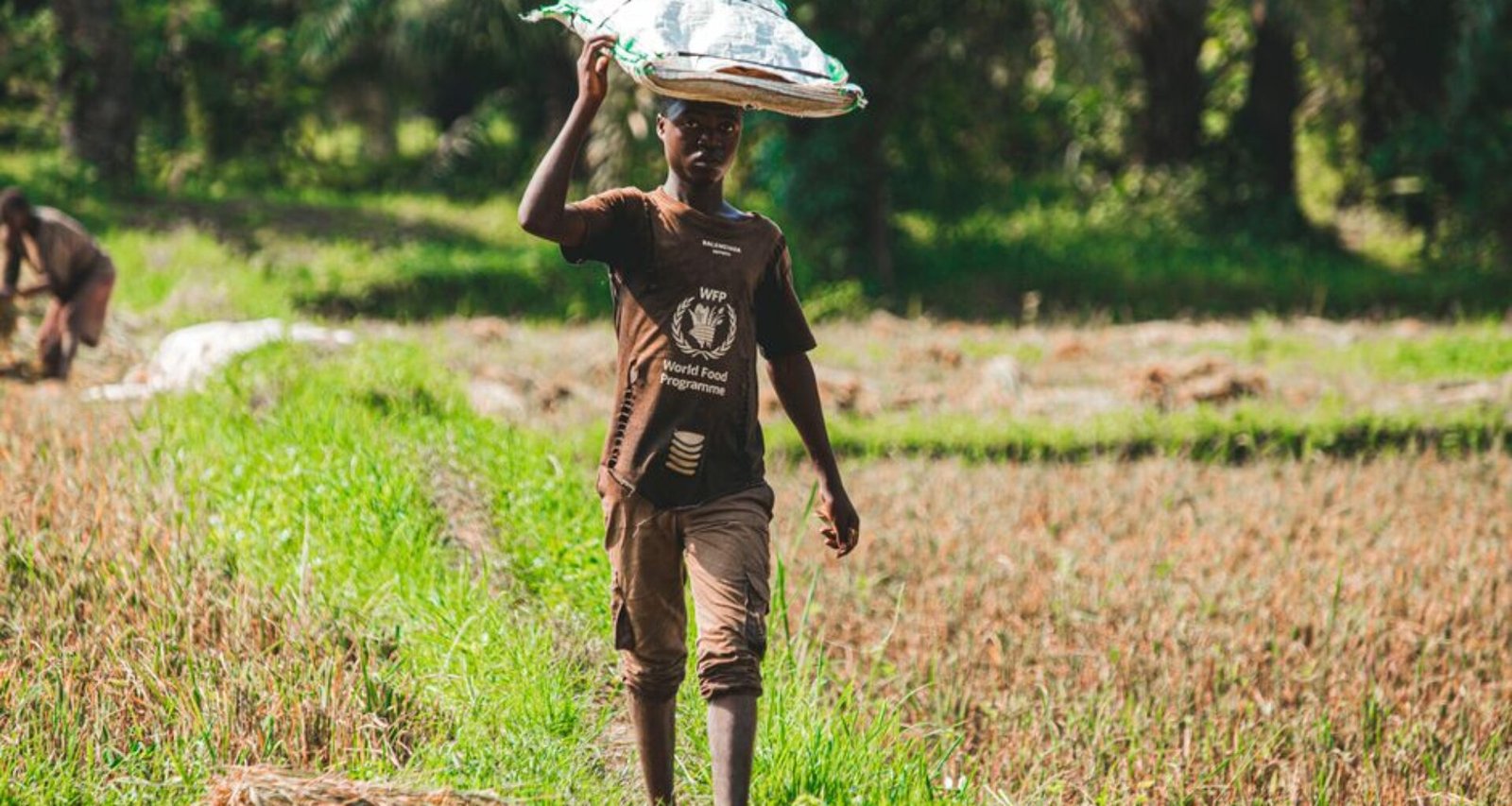
- The WFP digital nutrition hubs were launched in Nairobi in June 2024.
- The target is to enroll 100,000 youth in a digital food security curriculum by Q3 2026.
- Kenyan Ministry of Education and local NGOs are implementation partners.
The launch of the digital nutrition hubs by the World Food Programme in Nairobi marks a significant scaling of digital food security education for Kenya’s urban youth. The WFP’s target to reach 100,000 participants by Q3 2026, announced in partnership with the Kenyan Ministry of Education, aims to address a widening gap in nutritional awareness and food system resilience, particularly for adolescents in low-income neighborhoods.
Kenya continues to face persistent challenges with youth food security, with UNICEF estimating that 28% of Kenyan children suffer from chronic malnutrition as of 2023. The new curriculum, delivered through interactive digital platforms at five physical hubs, is structured around SDG 2 (Zero Hunger) and SDG 3 (Good Health & Well-being), emphasizing practical skills for healthy food choices, urban agriculture, and climate-adaptive nutrition planning.
WFP has pledged to publish annual progress data and has named Shofco, a Nairobi-based NGO, as a lead local implementation partner. However, past multi-stakeholder food education initiatives in East Africa have struggled to meet large-scale targets, and SDG Talking has not yet seen independent monitoring or third-party audits of early digital hub outcomes. WFP’s commitment to impact measurement—stating that at least 80% of participants will achieve certified curriculum mastery by 2026—remains a deliverable milestone to watch.
The digital nutrition hubs build on Nairobi County’s 2022 food systems strategy, but experts caution that access to digital devices, sustained curriculum engagement, and integration with school programmes will be critical for success. While the WFP’s public statements avoid greenwashing language, future reporting will require verification of not only participant reach but also improved nutrition indicators among enrolled youth.
Frequently Asked Questions
What is the main goal of the WFP digital nutrition hubs in Nairobi?
The primary goal is to provide 100,000 youth in Nairobi with a digital curriculum on food security and nutrition by Q3 2026. The initiative seeks to build practical skills for healthy eating, improve knowledge of sustainable food systems, and support Kenya’s targets under SDGs 2 and 3. The hubs use digital technology to reach underserved urban populations.
Who are the key partners involved in this initiative?
The World Food Programme is leading the project in close partnership with the Kenyan Ministry of Education and Nairobi-based NGO Shofco. These organizations are responsible for curriculum development, digital infrastructure, and community engagement. Local schools and youth centers will provide access points for participation.
How will the WFP measure the impact and progress of the hubs by 2026?
WFP has committed to annual publication of participant enrollment data and learning outcomes. The target is for 80% of participants to achieve certified mastery of the curriculum by Q3 2026. Independent verification of data and third-party audits have not yet been announced but are essential for assessing real impact beyond enrollment numbers.
Frequently Asked Questions
What is the main goal of the WFP digital nutrition hubs in Nairobi?
The main goal is to deliver a digital food security and nutrition curriculum to 100,000 youth in Nairobi by the third quarter of 2026, focusing on practical skills for healthy eating and sustainable food systems.
Who are the key partners in the WFP Nairobi digital nutrition hub initiative?
The World Food Programme is leading the project with the Kenyan Ministry of Education and Nairobi-based NGO Shofco as main implementation partners.
How will the WFP measure the success of the digital nutrition hubs by 2026?
WFP will publish annual data on participant enrollment and learning outcomes, aiming for at least 80% of participants to achieve certified curriculum mastery by Q3 2026.
What challenges could affect the success of the digital nutrition hubs in Nairobi?
Key challenges include access to digital devices, sustained engagement with the curriculum, and integration with school programmes.
What topics are covered in the WFP digital nutrition curriculum for Nairobi youth?
The curriculum covers healthy food choices, urban agriculture, and climate-adaptive nutrition planning, aligned with SDG 2 (Zero Hunger) and SDG 3 (Good Health & Well-being).