



 UN
UN 
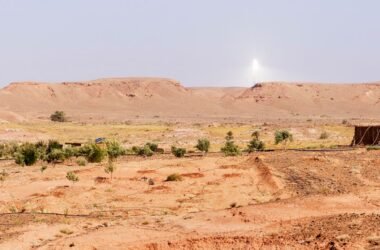
In the high-altitude plains of Bolivia’s southern Altiplano, the vibrant hues of quinoa pods mask a growing environmental crisis. Once celebrated as a superfood driving economic opportunities for local farmers, quinoa cultivation in this region now confronts serious sustainability challenges. The rapid expansion of quinoa farming has led to significant soil degradation, threatening the long-term viability of agriculture in this fragile ecosystem.
Situated around 3,800 meters above sea level, the Altiplano’s harsh environment has traditionally supported quinoa’s growth due to its resilience to cold and poor soils. However, intensified farming practices in recent years have eroded the land’s fertility. Continuous monoculture planting without adequate soil replenishment has depleted essential nutrients, leaving fields barren and vulnerable to erosion. This degradation undermines local food security and the livelihoods of smallholder farmers who depend heavily on quinoa revenues.
Compounding these difficulties, climate stress in the form of unpredictable rainfall patterns and rising temperatures poses an additional threat. Farmers report increased frequency of droughts and irregular precipitation, which disrupt quinoa growth cycles and reduce yields. These climate impacts accentuate the vulnerabilities created by land degradation, making adaptation strategies critical for sustaining agricultural productivity.
Experts emphasize the need for sustainable land management practices, including crop rotation, organic fertilization, and soil conservation techniques, to restore degraded soils. Also, integrating traditional indigenous knowledge with modern agricultural methods could enhance resilience to climate variability. International support and policy frameworks that prioritize sustainable quinoa production are essential to balance economic development with environmental stewardship.
As quinoa remains an important export commodity with global demand, Bolivia’s experience underscores the broader challenges of aligning agricultural growth with the United Nations Sustainable Development Goals, particularly those related to zero hunger (SDG 2), climate action (SDG 13), and life on land (SDG 15). Addressing these intersecting issues will be key to securing a sustainable future for farming communities on the Altiplano.