


 UN
UN 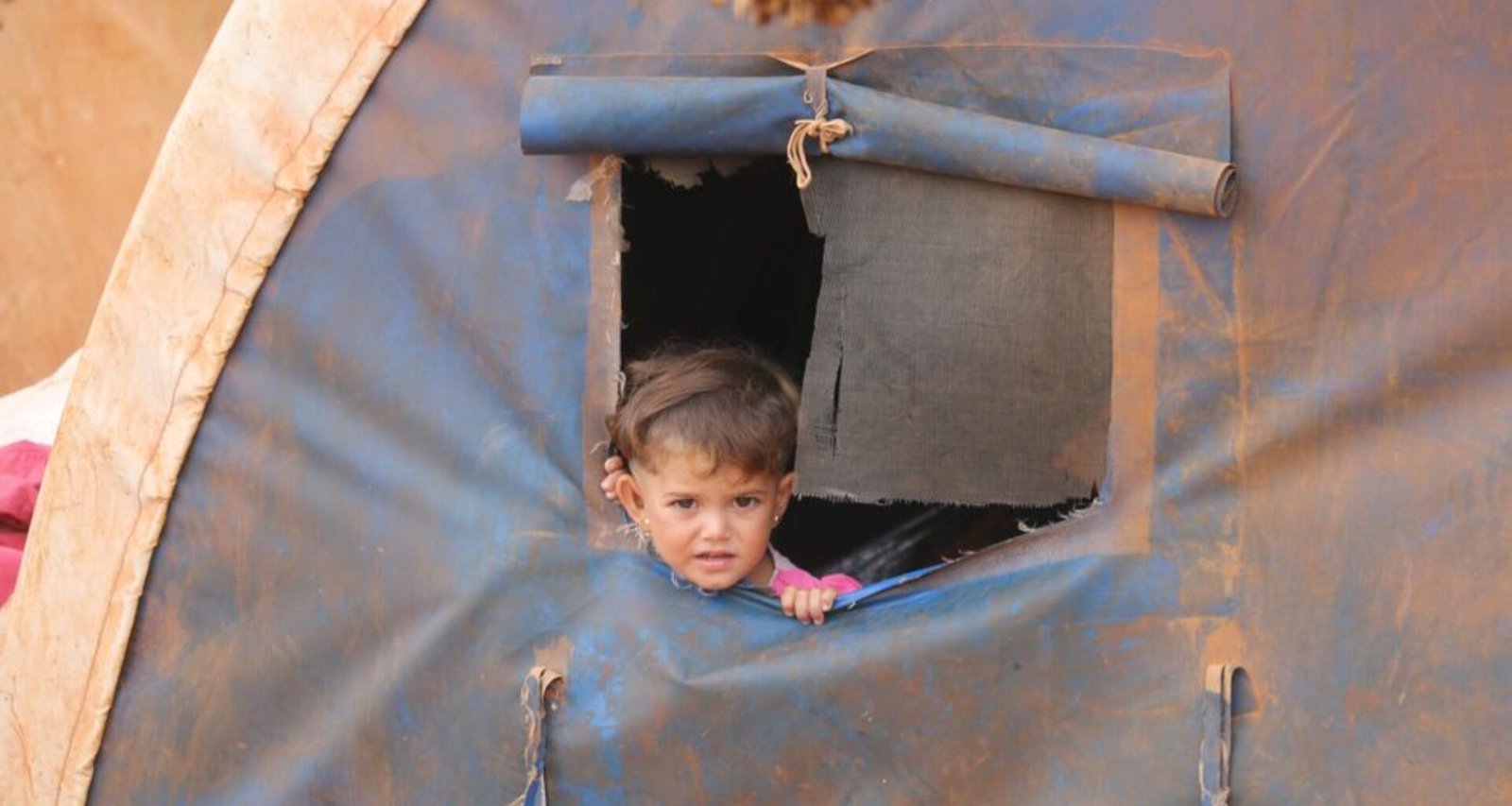
- UNICEF’s initiative targets 2 million Bangladeshi children by Q4 2026.
- The project is funded with an initial $50 million commitment.
- The programme aims to address pandemic learning loss and digital literacy gaps.
UNICEF announced its digital learning initiative in Bangladesh on 10 June 2024, committing $50 million toward expanding online education access for primary and lower-secondary students. This effort directly responds to COVID-19-related learning loss and persistent digital divides, particularly in rural and low-income communities across Bangladesh. The project will be implemented in partnership with Bangladesh’s Ministry of Primary and Mass Education and several local NGOs.
The UNICEF initiative plans to deliver interactive learning modules, teacher training, and community digital literacy sessions, with a stated goal of reaching two million children by Q4 2026. Key performance indicators (KPIs) include device distribution, platform logins, and regular usage metrics, according to UNICEF’s published project documentation. By setting a concrete timeline and measurable targets, UNICEF differentiates between pledges and operational delivery, an approach often lacking in previous digital education announcements in South Asia.
Bangladesh’s existing digital education infrastructure remains uneven, with the 2022 national survey from BRAC indicating that over 65% of rural students lacked regular access to the internet for schoolwork. UNICEF’s $50 million allocation is earmarked for device procurement, local language content development, and educator support. However, independent oversight groups such as Transparency International Bangladesh have called for public progress updates to prevent ‘edtech greenwashing’âthe risk of inflating digital impact without demonstrating learning outcomes.
UNICEF’s programme builds on earlier pilots initiated in Dhaka and Chattogram in 2023, which reached 70,000 students with adaptive learning tools. Scaling to two million children by 2026 is ambitious, and UNICEFâs quarterly reporting framework will be critical for transparent delivery tracking. As international attention to SDG 4 (Quality Education) intensifies, this project will be monitored closely as a test case for scalable, accountable digital learning interventions in South Asia.
Frequently Asked Questions
How will UNICEF ensure the programme reaches the targeted 2 million children?
UNICEF is partnering with Bangladesh’s Ministry of Primary and Mass Education, leveraging school networks and local NGOs to distribute devices and deliver digital content. Progress will be tracked via KPIs such as device counts, student logins, and active usage, with quarterly public reports planned through 2026.
How does this initiative differ from previous digital education efforts in Bangladesh?
This project is distinct due to its multi-year $50 million funding commitment, defined outreach target, and focus on measurable delivery. Unlike earlier pilot projects, UNICEFâs initiative features independent monitoring, public progress updates, and a strong anti-greenwashing stance.
What risks or challenges could undermine delivery by 2026?
Challenges include unreliable rural internet access, teacher training limitations, and equitable device distribution. Stakeholder groups have also warned of the risk of inflated impact reporting. UNICEFâs transparency and the role of third-party auditors will be critical to avoid greenwashing and ensure credible progress.
Frequently Asked Questions
What is UNICEF’s new digital learning initiative in Bangladesh?
UNICEF has launched a $50 million programme to provide online education to 2 million primary and lower-secondary children in Bangladesh by late 2026.
How will UNICEF track progress and ensure transparency in the digital learning programme?
UNICEF will publish quarterly public progress reports and use independent monitoring to track device distribution, platform logins, and usage metrics.
Who are UNICEF’s partners for this digital education project in Bangladesh?
UNICEF is partnering with Bangladesh’s Ministry of Primary and Mass Education and local NGOs to implement the initiative.
What activities are included in UNICEF’s digital learning programme in Bangladesh?
Key activities include distributing devices, developing digital content, training teachers, and holding community digital literacy sessions.
Why is UNICEF focusing on digital learning in Bangladesh now?
The initiative aims to address COVID-19-related learning loss and bridge digital literacy gaps, especially in rural and low-income communities.