

 UN
UN 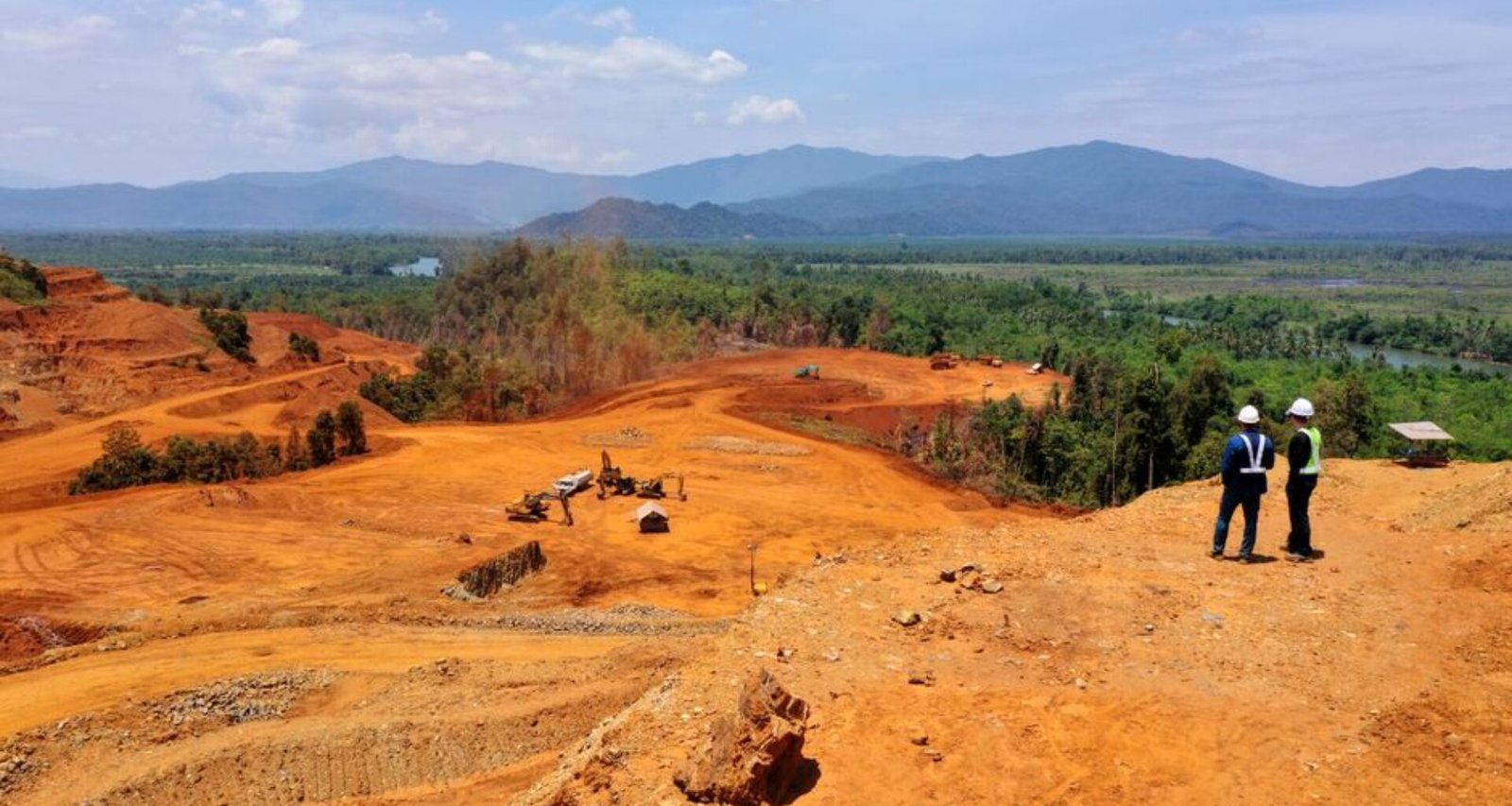
As summer heatwaves grip European capitals, G7 leaders in Milan this week finalized the launch of a Critical Minerals Security Partnership aimed at reducing dependency on China for key materials like lithium, cobalt, and nickel. The initiative, announced late Wednesday, is designed to strengthen supply chain resilience for electric vehicles and renewable energy infrastructure—sectors facing price volatility and geopolitical risks.
However, NGOs and policy researchers from Africa and Latin America have voiced concern that the partnership risks becoming a ‘consumer club,’ focusing on the interests of industrialized importers while sidelining producer nations. Kenya’s mining minister, Miriam Mwenda, speaking at a parallel forum in Nairobi on Tuesday, warned that “without fair pricing and technology transfer, local communities will see little benefit from extraction despite booming global demand.”
The alliance features the United States, Japan, Germany, France, Italy, Canada, and the United Kingdom. Its stated target is to halve member states’ reliance on Chinese-processed minerals by the end of 2026, but so far, no commitments have been made to producer country participation or revenue-sharing mechanisms.
According to the International Institute for Sustainable Development, over 60% of global cobalt and more than 70% of lithium are sourced from developing countries, yet less than 5% of value-added processing takes place locally. This imbalance, experts note, undermines SDG 8 (Decent Work and Economic Growth) and SDG 12 (Responsible Consumption and Production).
G7 officials have said that dialogue with producer nations will continue in the coming weeks. Sustainability advocates, however, are watching for concrete changes in procurement standards and transparency before calling this a step forward on the SDGs.
Frequently Asked Questions
What is the G7 Critical Minerals Security Partnership?
It is an alliance launched by the G7 countries to reduce reliance on China for key minerals like lithium, cobalt, and nickel, aiming to strengthen supply chain resilience for electric vehicles and renewable energy.
Why is the G7’s critical minerals alliance being criticized?
The alliance is criticized for excluding developing producer nations from decision-making and revenue-sharing, which could perpetuate inequality in the global minerals supply chain.
Which countries are part of the G7 critical minerals alliance?
The alliance includes the United States, Japan, Germany, France, Italy, Canada, and the United Kingdom.
How much of the world’s cobalt and lithium comes from developing countries?
Over 60% of global cobalt and more than 70% of lithium are sourced from developing countries, but less than 5% of processing occurs locally.
Has the G7 committed to including producer countries in decision-making or revenue-sharing?
No, there have been no commitments yet for producer country participation or revenue-sharing mechanisms in the alliance.