


 UN
UN 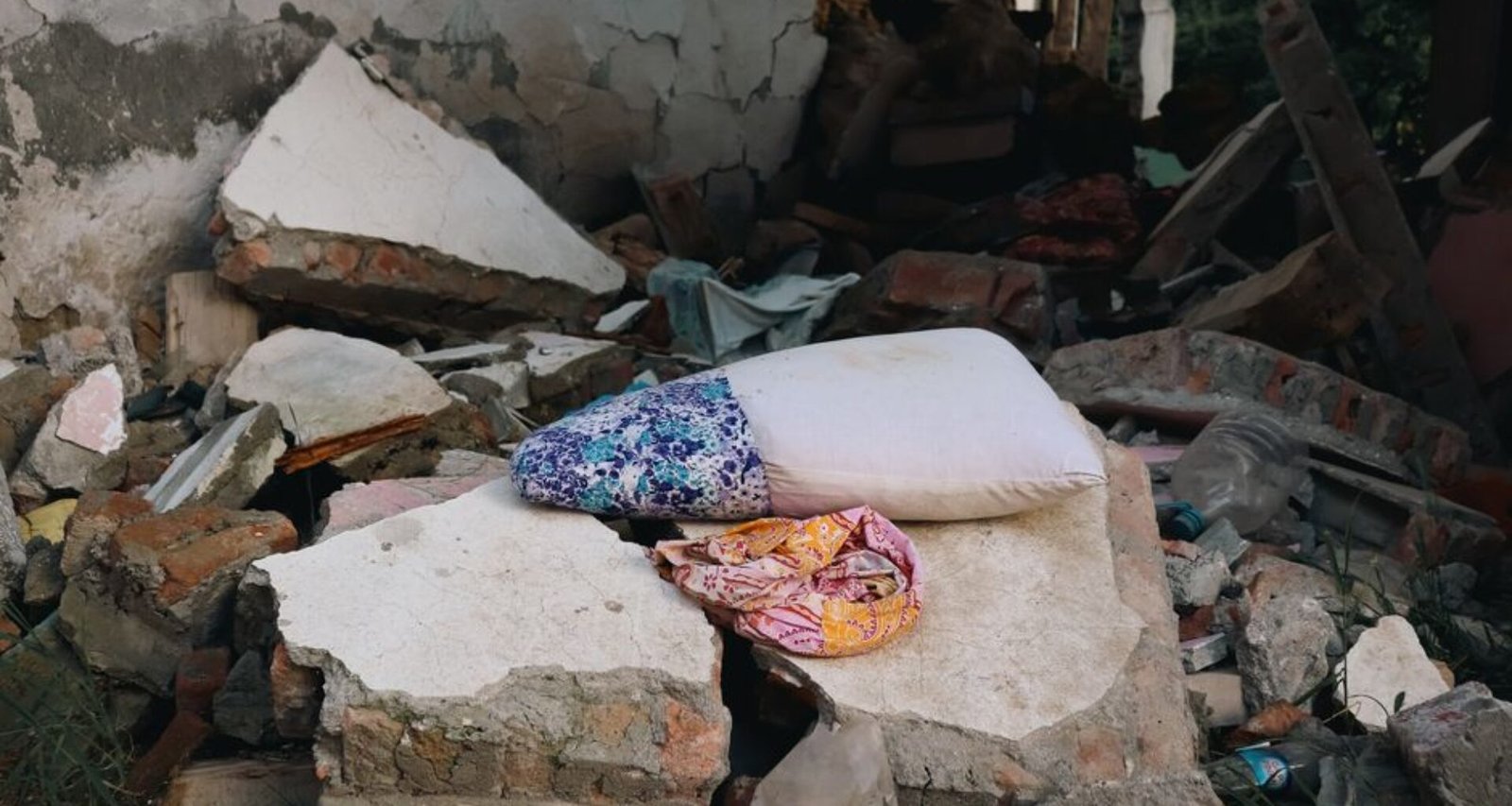
Morning commuters in eastern Caracas were jolted from their routines last Tuesday as a series of moderate earthquakes struck the region, causing damage to buildings in Petare and Los Ruices. According to Venezuela’s National Seismological Research Foundation, the strongest tremor registered 5.2 on the Richter scale. While no fatalities were reported, more than 300 households reported structural damage, and local hospitals saw a surge in minor injuries.
Scientists and emergency planners are raising concerns that Venezuela’s disaster preparedness has eroded since the benchmark response to the 1967 Caracas earthquake. Dr. Antonio Machado Allison, a veteran biologist who assisted during the 1967 response, described a system then characterized by rapid mobilization of state agencies and clear coordination between government, civil defense, and volunteer groups. This week, however, residents reported delayed arrival of rescue teams and confusion over evacuation instructions in several neighborhoods.
Venezuela’s Ministry of Interior, Justice, and Peace announced on Thursday that 1,500 personnel had been deployed to affected districts. However, independent observers, including the Venezuelan Seismological Society, noted that only 600 responders were present at the main impact sites by Wednesday afternoon. This lag, coupled with overlapping chains of command between municipal and federal agencies, hampered initial search and rescue efforts.
The United Nations Office for Disaster Risk Reduction has urged Venezuela to update its earthquake contingency protocols and invest in early warning infrastructure, citing a 2026 target for regional resilience standards. As of this week, the government has not released a timeline for reviewing its outdated building codes or for upgrading public alert systems. With the rainy season approaching and seismic activity ongoing, community leaders in Miranda state are calling for immediate action and transparent reporting on preparedness gaps.
The latest quakes have prompted renewed scrutiny of Venezuela’s ability to deliver on SDG 11 targets for sustainable cities and communities. As summer crowds gather in city squares and public parks for evening respite from the heat, the question remains whether Venezuela is prepared to protect its urban population from the next major shock.
Frequently Asked Questions
What was the magnitude of the earthquake that struck Caracas in summer 2024?
A 5.2 magnitude earthquake struck eastern Caracas last Tuesday.
How many households were damaged in the recent Caracas earthquakes?
Over 300 households in Petare and Los Ruices reported structural damage.
How many emergency responders were present at the main impact sites after the Caracas earthquake?
Only 600 responders were present at the main impact sites by Wednesday afternoon, despite official claims of 1,500 personnel deployed.
What weaknesses in Venezuela’s emergency response were revealed by the recent earthquakes?
The earthquakes exposed delayed arrival of rescue teams, confusion over evacuation instructions, and overlapping chains of command between agencies.
What has the United Nations recommended for Venezuela’s earthquake preparedness?
The United Nations Office for Disaster Risk Reduction has urged Venezuela to update its earthquake contingency protocols and invest in early warning infrastructure before the 2026 regional resilience target.