



 UN
UN 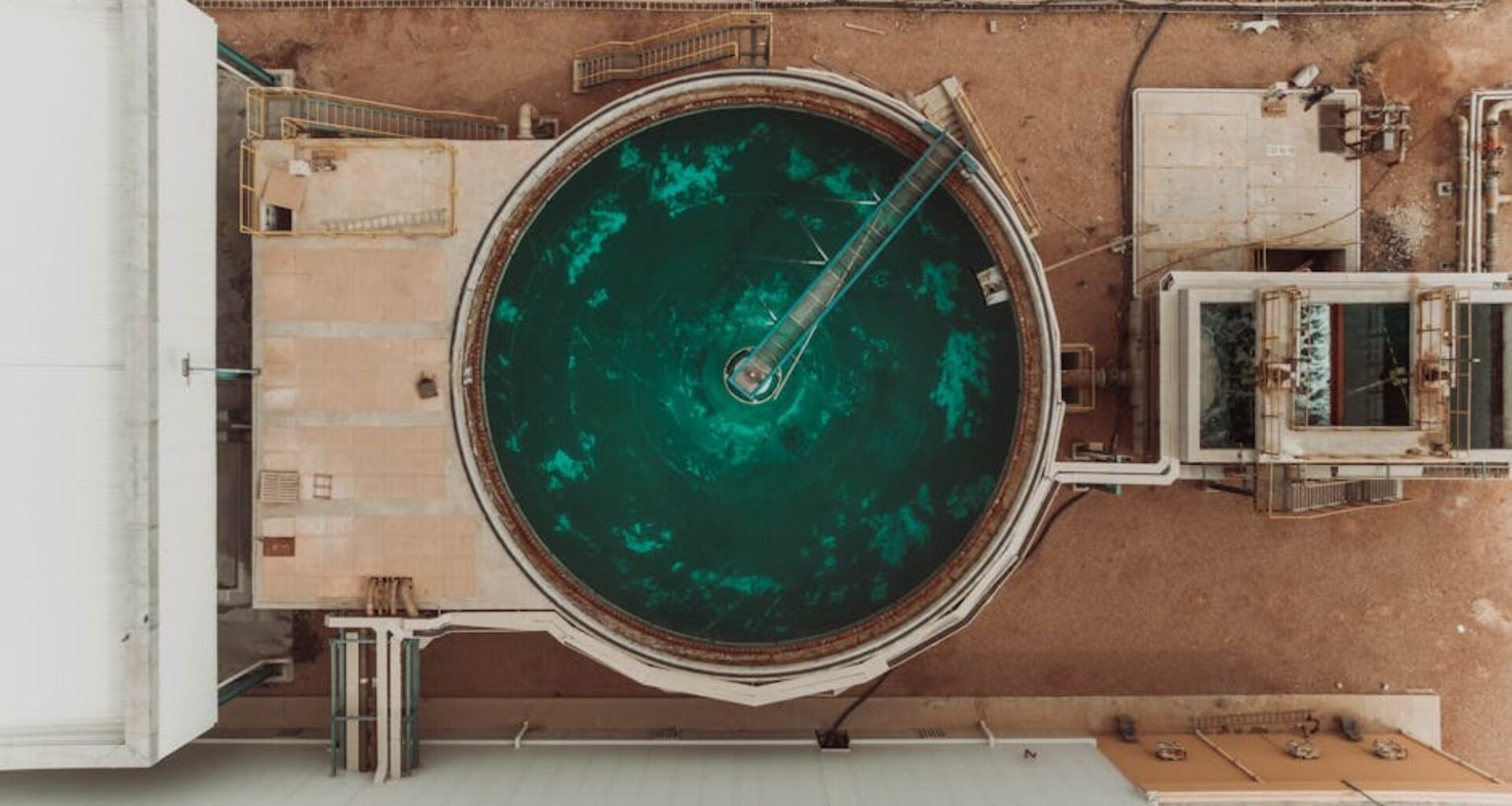
Las Marías, Puerto Rico, an area that receives approximately 90 inches of rainfall annually, is pioneering a new approach to water security amid shifting climate patterns. While the region experiences a distinct dry season starting in December, intermittent rain continues, posing challenges for consistent drinking water quality and availability. To address these concerns, local authorities and environmental engineers have implemented an innovative water treatment system designed to fortify the community’s access to clean and safe water.
This system integrates advanced filtration technologies with sustainable infrastructure tailored to the unique hydrological conditions of the region. By capturing and treating rainwater during the wet months, the community can store purified water for use throughout the drier periods. Such an approach not only mitigates the risks of contamination and waterborne diseases but also reduces dependency on external water sources, enhancing local resilience.
Puerto Rico’s water infrastructure has faced significant setbacks in recent years, notably due to the impacts of hurricanes and prolonged droughts exacerbated by climate change. The introduction of this treatment system aligns with Sustainable Development Goal 6, which emphasizes clean water and sanitation for all. Experts note that decentralized water treatment solutions like this can serve as models for other vulnerable communities facing similar climate-induced water challenges.
Community engagement has been a critical component of the project’s success. Local residents received training on system maintenance and water quality monitoring, ensuring long-term sustainability and ownership. The initiative also underscores the importance of integrating technological innovation with community-based management to achieve meaningful progress toward global water security goals.
As climate variability continues to affect water availability worldwide, Puerto Rico’s Las Marías demonstrates how targeted, innovative interventions can safeguard essential resources. This case highlights the potential for similar systems to be scaled across regions where changing weather patterns undermine traditional water supply methods.