




 UN
UN 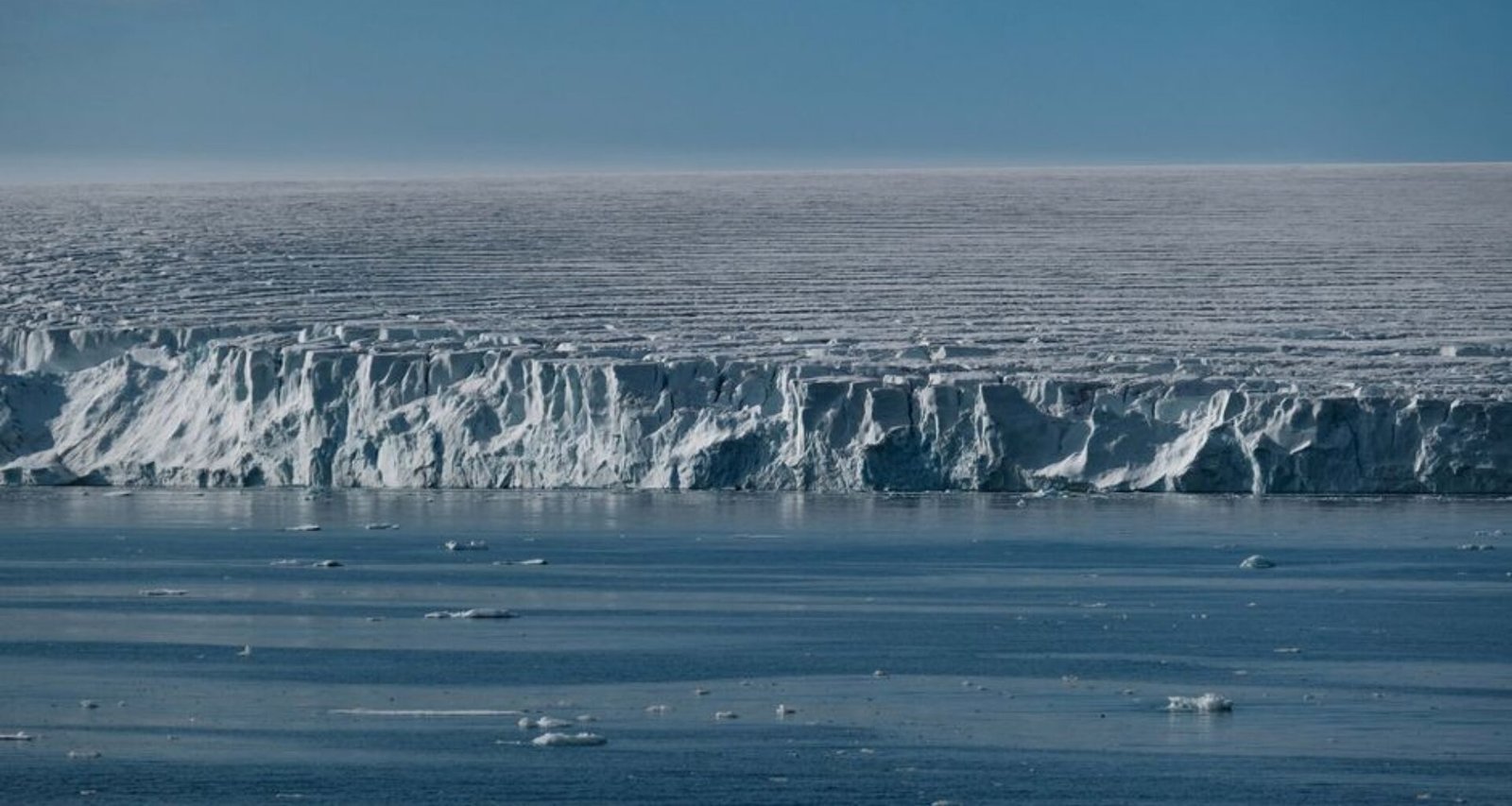
As summer unfolds across Europe, Antarctic scientists are facing an unexpected anomaly: the continent’s winter sea ice is missing an expanse roughly equivalent to the size of France. Normally, July marks the dead of Antarctic winter, when sea ice coverage peaks. But satellite data analyzed this week by the National Snow and Ice Data Center (NSIDC) in Boulder, Colorado, shows a deficit of about 900,000 square kilometers compared to the long-term average.
Ted Scambos, senior research scientist at UC Boulder, emphasized in a recent interview that the shortfall is not merely a statistical blip. “What we’re seeing this July is a sustained, unprecedented low in sea ice extent,” Scambos told public radio’s Living on Earth. He cited persistent warm ocean currents and shifting wind patterns as likely contributors, although researchers caution that the precise drivers remain under investigation.
For policy experts monitoring SDG 13 (Climate Action), the numbers are troubling. Antarctic sea ice acts as a global climate regulator, reflecting sunlight and helping to stabilize ocean temperatures. Its decline has knock-on effects: rising sea levels, altered weather patterns in the Southern Hemisphere, and increased vulnerability for coastal cities from Montevideo to Cape Town.
While the Paris Agreement calls for limiting global warming to 1.5°C above pre-industrial levels, current Antarctic data suggests that regional changes are outpacing global averages. The French government’s climate science advisory council called for an emergency review this week, urging the European Commission to integrate polar indicators into its 2026 sustainability reporting cycle.
With Antarctic research stations operating on reduced winter staffing, international scientists are racing to gather more data before the continent’s brief summer window. Results from ongoing missions are expected to inform the next IPCC synthesis update due later this year, as SDG stakeholders debate the implications for adaptation funding and policy priorities in 2026.
Frequently Asked Questions
How much below average is Antarctica’s winter sea ice this year?
Antarctica’s winter sea ice is 900,000 square kilometers below the long-term average in July, according to NSIDC data.
What are the main causes of the record low Antarctic sea ice extent?
Persistent warm ocean currents and shifting wind patterns are cited as likely contributors to the low sea ice extent, though the precise drivers are still under investigation.
Why is the decline in Antarctic sea ice a global concern?
The decline affects global climate regulation, sea levels, and weather patterns, increasing risks for coastal cities and impacting climate action goals.
What actions has the French government taken in response to the Antarctic sea ice decline?
The French government has called for an emergency review and urged the European Commission to include polar indicators in its 2026 sustainability reporting.
How will current Antarctic research influence global climate policy?
Findings from ongoing Antarctic research missions are expected to inform the next IPCC synthesis update later this year, impacting adaptation funding and policy priorities.