



 UN
UN 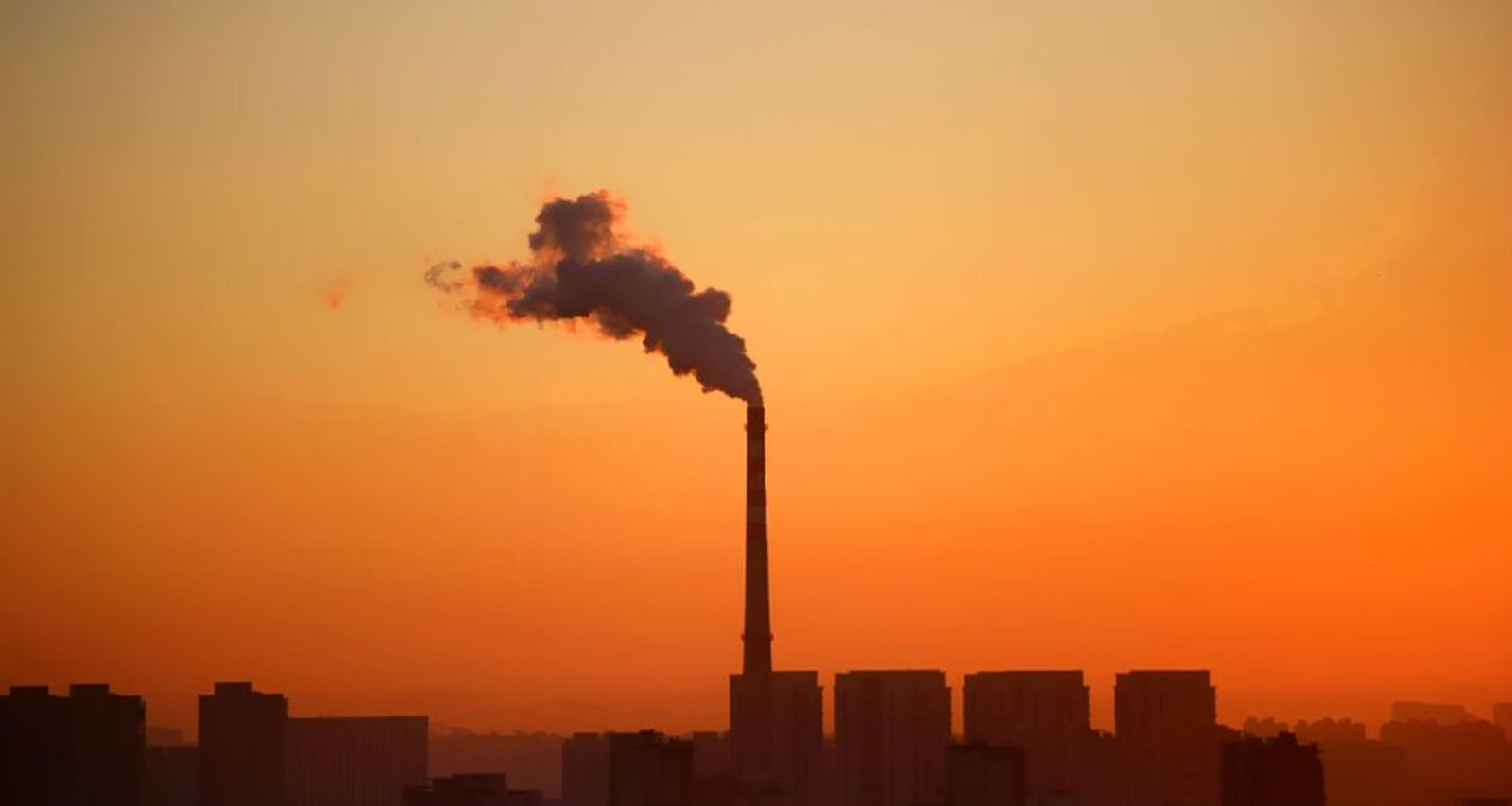
This Wednesday, as heatwaves sweep cities from Houston to Hanoi, a new investigation has intensified scrutiny of G20 governments: archival documents released today show that major emitting countries, including the United States and Russia, were aware of the climate risks from fossil fuel use as early as the 1960s—decades before these hazards were publicly acknowledged. Researchers from the University of Oslo and Georgetown University, examining government correspondence and internal memos, found explicit warnings about anthropogenic global warming circulated among senior officials, yet these were downplayed or kept confidential to avoid political and economic repercussions.
This revelation arrives as delegates in Berlin finalize their post-2026 Nationally Determined Contributions (NDCs) under the Paris Agreement. According to the report, both the U.S. Department of Energy and Soviet Academy of Sciences documented projected global temperature rises and regional impacts as early as 1966, but suppressed findings in public communications until the 1980s. The findings have prompted renewed calls for reparative climate finance from countries most responsible for historic emissions, with the African Group of Negotiators demanding a $100 billion annual loss-and-damage facility by the end of 2026.
While governments have consistently stressed recent progress, including the EU’s 55% emissions reduction target for 2030 and China’s new cap-and-trade expansions, today’s disclosures invite skepticism about the credibility of long-term pledges—especially as measurable action often lags behind official announcements. In a press briefing this morning, Climate Analytics CEO Dr. Mary Robinson stated, “Our sector has long suspected that the timeline of official knowledge about climate risks was misrepresented. This new evidence changes the accountability landscape.”
The revelations are already altering the tone at this week’s SDG 13 working groups in New York. Civil society leaders, such as Greenpeace International, are calling for legal investigations into past government misrepresentation. Meanwhile, the Organization of Small Island States has asked UN Secretary-General António Guterres to commission an independent review on historic climate communications, citing potential impacts on ongoing loss-and-damage negotiations.
With record-breaking temperatures this July and escalating demands for transparency, the summer of 2026 is shaping up to be a critical test for global climate governance. The challenge for governments now is not just to set ambitious decarbonization targets, but to demonstrate genuine accountability for past actions as well as present commitments.
Frequently Asked Questions
What new evidence was revealed about G20 states and climate change?
Newly released archival documents show that G20 governments, including the US and Russia, knew about the dangers of fossil-fuel-driven climate change since the 1960s but concealed this information until the 1980s.
When did US and Soviet officials first discuss climate risks from fossil fuels?
US and Soviet officials discussed climate risks from fossil fuels as early as 1966, according to government correspondence and internal memos.
Why did G20 governments suppress climate change findings in the 1960s and 1970s?
Findings about climate risks were suppressed in public communications to avoid political and economic fallout.
What are the current demands from the African Group of Negotiators regarding climate finance?
The African Group of Negotiators is demanding a $100 billion annual loss-and-damage facility by the end of 2026.
What actions are civil society groups calling for after these climate revelations?
Civil society groups and the Organization of Small Island States are calling for legal investigations and an independent UN review of historic climate communications.