UN
UN 
At the recent Africa Forward Summit held in Nairobi, a significant milestone was reached in the quest for sustainable development through clean energy and infrastructure investments. European and African leaders, alongside business executives, unveiled a series of agreements signaling a robust commitment to Africa’s energy transformation. In total, 40 companies pledged approximately €27 billion (around $31.5 billion) to support nearly 30 projects across the continent.
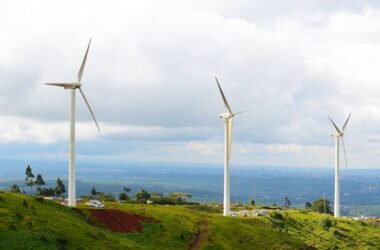
These investments are designed to accelerate Africa’s transition to renewable energy sources, targeting the generation of an estimated €100 billion ($116.5 billion) in economic value. The ambitious projects span solar, wind, and other clean energy technologies, aligning with the continent’s growing demand for reliable, affordable, and sustainable power. This initiative also underpins multiple Sustainable Development Goals (SDGs), notably SDG 7 (Affordable and Clean Energy), SDG 9 (Industry, Innovation, and Infrastructure), and SDG 13 (Climate Action).
Experts emphasize that Africa’s energy sector is pivotal for the continent’s socioeconomic progress. With over 600 million people currently lacking access to electricity, these investments could drive inclusive growth, foster job creation, and enhance resilience against climate change. According to summit participants, the collaboration between European and African stakeholders reflects a shared vision to leverage innovation and financial resources to bridge the energy access gap.
While the announced projects promise substantial benefits, challenges remain in ensuring equitable distribution, regulatory harmonization, and sustainable financing structures. Civil society groups advocate for transparent governance and community engagement to maximize social impact. Nevertheless, this wave of clean energy commitments represents a critical step forward in forging a greener and more prosperous future for Africa.
As these projects move from planning to implementation, ongoing monitoring and international cooperation will be essential in sustaining momentum. The Nairobi summit illustrates how multilateral partnerships can catalyze transformative investments, positioning Africa as a key player in the global clean energy transition.