UN
UN 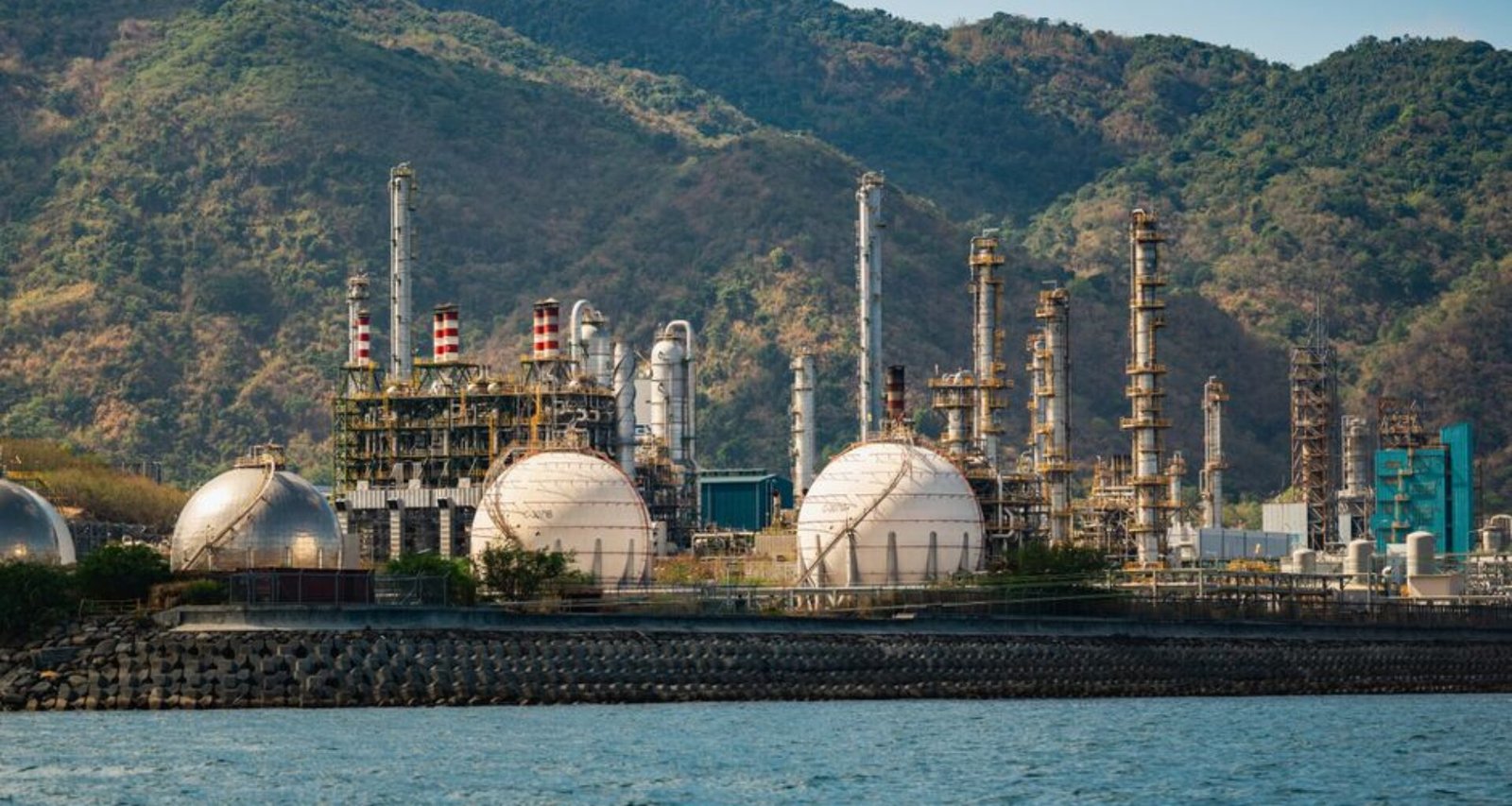
Environmental campaigners have intensified their opposition this week to Dangote Group’s proposed oil refinery in Kenya’s Lamu County, a region recognized for its fragile coastal ecosystems. The $3.8 billion project, which would be Africa’s second largest refinery, is slated to process up to 200,000 barrels of crude oil daily if completed by late 2028—a timeline confirmed by Dangote executives at a public forum in Nairobi on Tuesday.
Concerns have escalated as local NGOs, including the Save Lamu Coalition, accuse the project of “environmental recklessness,” citing the proximity to UNESCO-listed mangrove forests and critical marine habitats. On Wednesday morning, coalition spokesperson Amina Mohamed described the risks as “catastrophic for biodiversity and local livelihoods,” highlighting that Lamu’s fisheries support over 30,000 coastal residents.
Kenyan officials, however, argue the refinery aligns with the country’s Vision 2030 economic blueprint, promising 3,000 direct jobs and up to $600 million in annual tax revenue. The Ministry of Energy reiterated on Thursday that a full Environmental and Social Impact Assessment (ESIA) is underway, with public consultations scheduled for later this month in Lamu town.
International observers, including the UN Environment Programme’s Nairobi office, have called for greater transparency in the project’s risk assessments. With record July temperatures and heightened scrutiny of fossil fuel infrastructure, the debate has sharpened around Kenya’s climate targets under SDG 13. Data released this week by the Kenya Meteorological Department shows coastal surface temperatures averaging 2°C above seasonal norms, intensifying fears over cumulative climate impacts.
As the summer heat peaks, the refinery’s future remains uncertain, with activists planning a protest march on Lamu’s waterfront this Saturday. The coming weeks are likely to test whether development priorities or ecological safeguards take precedence as Kenya approaches its next SDG reporting cycle in November 2026.
Frequently Asked Questions
Why are environmental groups opposing Dangote’s oil refinery in Lamu County?
Environmental groups oppose the refinery due to risks to UNESCO-listed mangrove forests, marine habitats, and the livelihoods of over 30,000 residents dependent on fisheries.
What is the planned capacity and cost of Dangote’s oil refinery in Kenya?
The proposed refinery is valued at $3.8 billion and aims to process 200,000 barrels of crude oil daily.
What economic benefits does the Kenyan government claim the refinery will bring?
Officials claim the project could create 3,000 direct jobs and generate up to $600 million in annual tax revenue.
What environmental assessments are being conducted for the Dangote refinery project?
A full Environmental and Social Impact Assessment (ESIA) is underway, with public consultations scheduled in Lamu town this month.
How have recent climate trends influenced concerns about the refinery project?
Recent data shows coastal surface temperatures in Kenya are averaging 2°C above seasonal norms, intensifying fears over the refinery’s cumulative climate impacts.