


 UN
UN 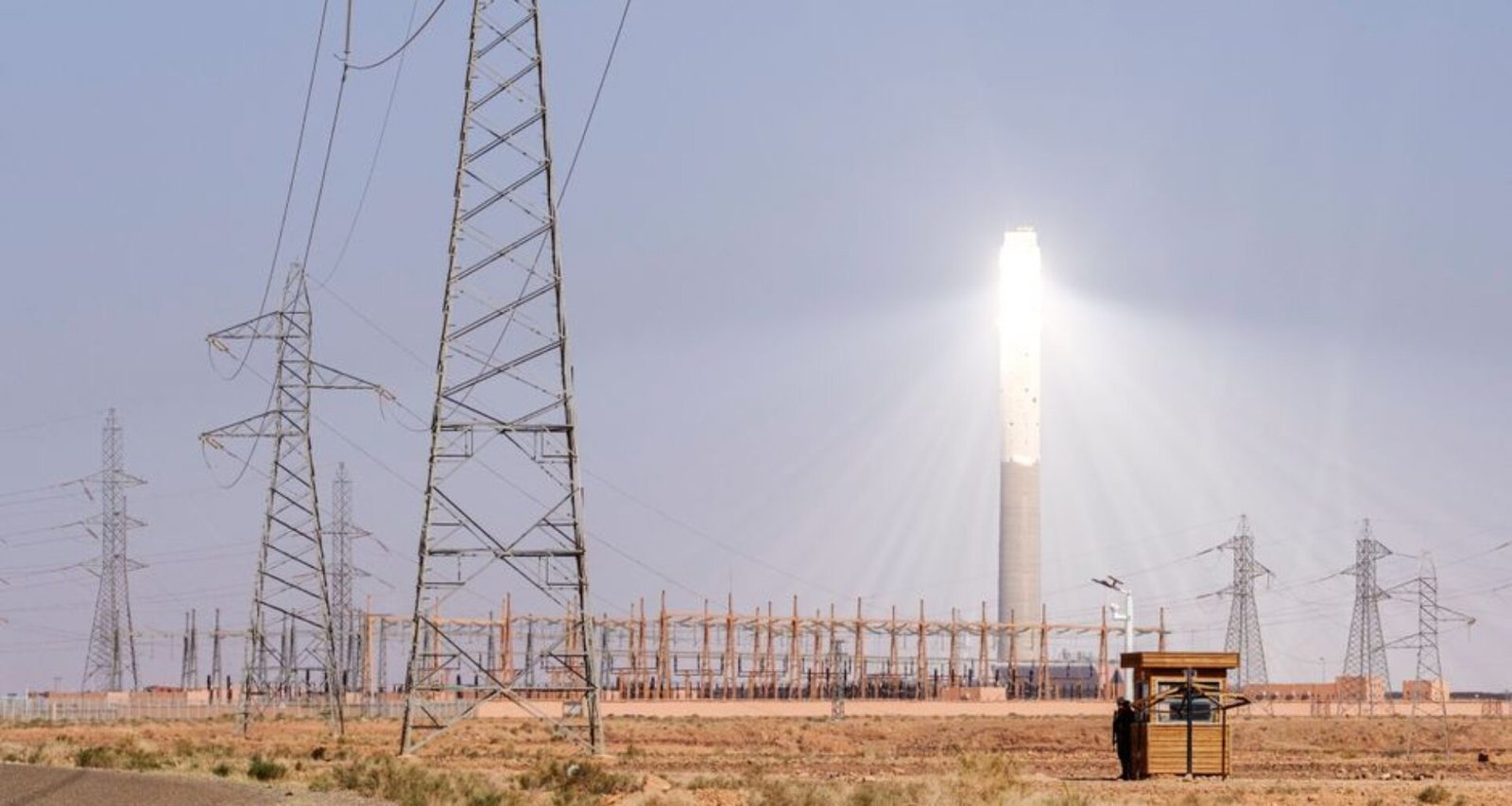
- Noor II Solar Plant has surpassed 2 GW output as of mid-2024.
- Moroccan Agency for Sustainable Energy (MASEN) leads the project.
- Target for national grid milestone: September 2026.
The Noor II Solar Plant, located near Ouarzazate, is a central component of Moroccoâs $9 billion solar investment program. As of June 2024, MASEN reports that Noor II alone is now generating over 2 GW, making it one of the worldâs largest operating concentrated solar power installations. This expansion directly supports Moroccoâs goal to source at least 52% of its electricity from renewables by 2030.
Moroccoâs strategy aligns with the National Renewable Energy and Energy Efficiency Plan, first adopted in 2015 and amended in 2022 to accelerate grid modernization. MASEN, in partnership with international financiers including the World Bank and the African Development Bank, is investing in grid upgrades to enable Noor IIâs full integration. The grid readiness milestone, set for September 2026, will determine whether Noor IIâs output can reliably supply industrial and residential demand across the country.
While officials highlight the technical achievement, independent audits from organizations like the International Energy Agency (IEA) caution that grid bottlenecks and curtailments remain risks. Historically, Moroccan renewable projects have faced delays between capacity installation and measurable delivery to end-users. Full grid integration by 2026 will be a test of MASENâs project management credibility and the countryâs ability to convert renewable pledges into real decarbonization progress.
Frequently Asked Questions
What is the current status of the Noor II Solar Plant?
As of June 2024, the Noor II Solar Plant in Morocco has exceeded 2 GW in generation capacity according to MASEN. The plant is operational, but not all output is currently delivered to the national grid due to ongoing infrastructure upgrades, with full integration targeted for September 2026.
Who is responsible for the Noor II project and what partners are involved?
The Moroccan Agency for Sustainable Energy (MASEN) leads the Noor II project. Key partners include the World Bank, African Development Bank, and several European investment agencies, all jointly financing construction and grid upgrades.
What are the main challenges to grid integration by 2026?
The primary challenges include upgrading Moroccoâs transmission network, addressing occasional curtailment, and ensuring stable delivery of renewable power to both urban and rural areas. Independent audits warn of possible delays if technical or regulatory issues are not resolved by the 2026 milestone.
Frequently Asked Questions
What is the current generation capacity of Morocco’s Noor II Solar Plant?
As of June 2024, the Noor II Solar Plant has exceeded 2 GW in generation capacity according to MASEN.
When will Noor II Solar Plant be fully integrated into Morocco’s national grid?
Full integration of Noor II into the national grid is targeted for September 2026, pending completion of infrastructure upgrades.
Who is leading and financing the Noor II Solar Plant project?
The Moroccan Agency for Sustainable Energy (MASEN) leads the project, with financing from the World Bank, African Development Bank, and several European investment agencies.
What are the main challenges to Noor II’s grid integration by 2026?
The main challenges are upgrading Morocco’s transmission network, addressing curtailment, and ensuring stable delivery of renewable power; independent audits warn of possible delays if technical or regulatory issues are not resolved.
How does Noor II support Morocco’s renewable energy goals?
Noor II’s expansion supports Morocco’s goal to source at least 52% of its electricity from renewables by 2030, as part of the National Renewable Energy and Energy Efficiency Plan.