

 UN
UN 
- 500,000 rural households connected as of June 2026
- 80% of national rural electrification target achieved
- Project led by ONEE, with support from international finance partners
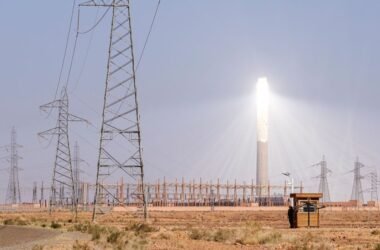
Moroccoâs solar mini-grid rollout is a flagship initiative under the countryâs National Rural Electrification Program, with a 2026 deadline and funding support from the World Bank and African Development Bank. The program aims to connect 625,000 households in underserved rural zones, where grid extension is often unfeasible due to geographic and cost barriers.
According to a June 2026 update from ONEE, 500,000 homesârepresenting approximately 2.4 million peopleâhave gained reliable, renewable electricity access through decentralized solar mini-grids. The milestone marks 80% delivery on the national target, with the remaining 20% scheduled for completion by Q4 2026. This progress positions Morocco as a leader among North African nations in rural clean energy access.
International partners have played a substantial role in project financing and technical support. The World Bank committed USD 150 million in concessional loans, while the African Development Bank contributed an additional USD 70 million in grants for mini-grid deployment and local training programs. Independent auditors from TÃV SÃD confirmed delivery of installed capacity and household connections, offering external validation beyond government reporting.
However, civil society groups including the Morocco Renewable Energy Association (AMER) have called for transparent tracking of grid performance and affordability, raising concerns about âinfrastructure over-countingâ inflating access figures. To address these claims, ONEE published anonymized usage data for 2025 and 2026, showing over 94% of connected homes maintained regular, monthly solar-powered electricity usage.
Frequently Asked Questions
What is the target and funding for Moroccoâs rural solar program?
The National Rural Electrification Program aims to connect 625,000 rural homes via mini-grids by the end of 2026. The project is funded by Moroccoâs government, a USD 150 million World Bank loan, and a USD 70 million African Development Bank grant. These funds support infrastructure, local capacity building, and monitoring.
How reliable and verified are the reported electrification figures?
ONEEâs 500,000 household figure for June 2026 was independently verified by TÃV SÃD, which audited installed mini-grids and home connections. In response to concerns about inflated numbers, ONEE released usage data confirming that 94% of connected households use the service regularly.
How does Moroccoâs progress compare to other North African countries?
Morocco leads North Africa in rural electrification with decentralized solar mini-grids. As of 2026, its 80% completion rate outpaces Algeria and Tunisia, both of which report under 60% rural electrification via renewable mini-grids, according to UN Sustainable Energy for All data.
Frequently Asked Questions
How many rural households has Morocco connected to solar mini-grids as of June 2026?
Morocco has connected 500,000 rural households to solar mini-grids as of June 2026.
What is the target number of rural homes for Morocco’s National Rural Electrification Program by 2026?
The program aims to connect 625,000 rural homes by the end of 2026.
Who funded Morocco’s rural solar mini-grid rollout?
Funding includes a USD 150 million World Bank loan and a USD 70 million African Development Bank grant.
How were the electrification figures for Morocco’s rural solar program verified?
Independent auditors from TÜV SÜD verified the electrification figures and household connections.
What percentage of connected homes maintained regular solar electricity usage in 2025 and 2026?
Over 94% of connected homes maintained regular monthly solar-powered electricity usage in 2025 and 2026.