



 UN
UN 
- Portugal’s EDP achieved 70% solar grid integration in June 2024.
- EU’s Renewable Energy Directive targets 45% renewables by 2026.
- Extreme heatwaves in Southern Europe are forecast this summer.
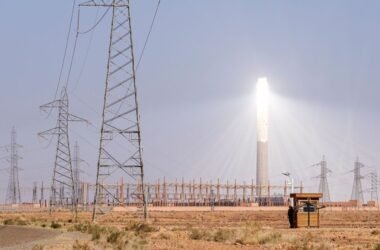
Portugal’s state-backed utility Energias de Portugal (EDP) has announced that 70% of its electricity grid is now supplied by solar energy, ahead of rising summer temperatures expected to test grid resilience. EDP’s delivery exceeds the EU average and places Portugal among the frontrunners as the European Union intensifies scrutiny of individual member states’ progress toward a 45% renewable share by 2026, set under the latest Renewable Energy Directive.
This achievement is particularly relevant as the Iberian Peninsula braces for climate-driven heatwaves, with the European Centre for Medium-Range Weather Forecasts predicting temperatures above 40°C in July and August 2024. High solar output during peak sunlight hours may help alleviate pressure on Portugal’s energy infrastructure, reducing reliance on imported fossil fuels and mitigating blackout risks during periods of excessive demand.
However, grid integration at this scale requires robust infrastructure and dynamic load management, both of which have been flagged by the Portuguese Energy Services Regulatory Authority (ERSE) as critical challenges. While EDP’s 70% figure represents dispatched power at peak generation, experts caution that annualized averages and storage capabilities must improve to ensure year-round reliability, especially in the face of climate volatility.
At the EU level, the European Commission will publish a progress inventory in Q1 2025, highlighting which member states are on track for the 2026 renewables milestones. Portugal’s current progress is notable, but according to analysts at Bruegel, only sustained investment in grid modernization—not announcements alone—can guarantee resilience and SDG 7 (Affordable and Clean Energy) delivery. EDP’s performance will be closely monitored for signs of both substantive transition and potential overstatement, as the sector contends with persistent accusations of greenwashing across the continent.
Frequently Asked Questions
How does Portugal’s solar integration compare to other EU countries?
Portugal’s 70% solar grid integration at peak is among the highest in the EU, surpassing the bloc’s 2026 target of 45% for overall renewables. However, countries like Spain and Germany also report strong renewable penetration, but with a broader mix (wind, hydro, solar). Caution is needed interpreting peak vs average annual shares.
What is the significance of this achievement for the summer heatwave?
High solar grid integration enables Portugal to better meet electricity demand during extreme heat, which typically spikes due to air conditioning. It reduces dependence on fossil imports and helps prevent blackouts, but the grid still faces challenges with storage and distribution during non-peak hours.
Does this milestone mean Portugal is on track for the EU 2026 targets?
EDP’s announced 70% integration is a strong indicator that Portugal is ahead of schedule for the EU’s 2026 renewable energy targets. However, regulatory agencies and independent analysts stress that annualized performance, grid stability, and continued investment remain essential for meeting long-term goals beyond interim peak achievements.
Frequently Asked Questions
How much of Portugal’s electricity grid is currently supplied by solar energy?
In June 2024, EDP reported that 70% of Portugal’s electricity grid was supplied by solar energy at peak generation.
What is the EU’s renewable energy target for 2026?
The EU Renewable Energy Directive targets a 45% share of renewables in the energy mix by 2026.
Does the 70% solar integration in Portugal represent annual or peak generation?
The 70% figure represents dispatched power at peak solar generation, not the annualized average.
What challenges does Portugal face with high solar grid integration?
Portugal faces challenges in grid infrastructure and dynamic load management, which are critical for maintaining reliability with high solar integration.
How does Portugal’s solar integration compare to other EU countries?
Portugal’s 70% peak solar integration is among the highest in the EU, but other countries like Spain and Germany also have strong renewable shares, often with a broader mix of sources.