UN
UN 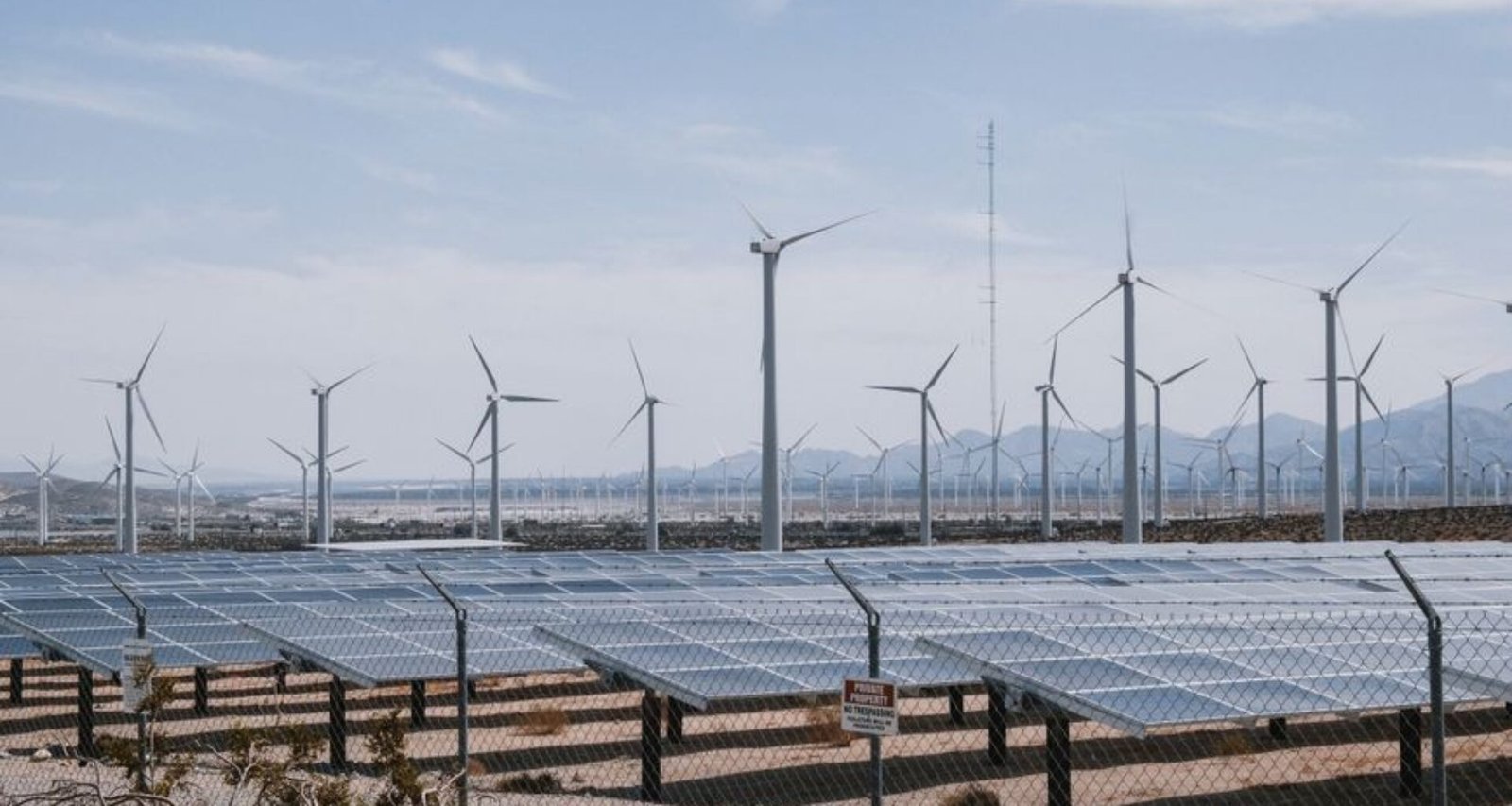
On Wednesday morning, the National Energy Administration (NEA) in Beijing announced the release of China’s 15th Five-Year Plan for Renewable Energy, setting out new targets to expand solar, wind, and hydropower capacity. The plan aims for renewables to account for 38% of the country’s total power generation by 2030, up from the estimated 29% reached earlier this year. The release comes as record-breaking heat waves hit Shanghai and Chongqing this week, underscoring the urgency of grid resilience and decarbonization.
The policy details a government-led push to add 1,200 gigawatts of wind and solar capacity by 2030, with at least 300 gigawatts expected to come online by the end of 2026. State Grid Corporation of China, the country’s largest utility, is tasked with upgrading transmission infrastructure, especially in western provinces where renewable resources are abundant but grid bottlenecks persist. The plan also signals a ramp-up in offshore wind, targeting 30 gigawatts of new capacity along the eastern coast by 2028.
In a Friday press briefing, NEA officials acknowledged that while installed capacity targets have often been met ahead of schedule, integration challenges remain. The plan includes measures to boost energy storage deployment—specifically, 100 gigawatt-hours of battery storage by 2026—and to pilot green hydrogen projects. However, the document stops short of mandating a cap on coal-fired generation, instead calling for “flexible” backup power during peak demand, which advocacy groups warn could dilute emissions gains.
Climate analysts from Tsinghua University point to the plan’s lack of explicit sectoral emissions limits as a gap, especially given China’s 2060 carbon neutrality pledge. The international community, including the International Energy Agency, is watching closely as China’s progress is pivotal for global SDG 7 (Affordable and Clean Energy) and SDG 13 (Climate Action) targets. The NEA says it will publish the first annual progress review by October, with provincial targets to follow.
As summer energy demand strains urban grids from Guangzhou to Tianjin, the implementation phase will test whether China’s new roadmap translates into measurable emissions reductions or if it risks being overshadowed by continued reliance on coal. For now, the 15th Five-Year Plan sets more ambitious numbers—but real delivery will be measured in gigawatts connected, not just pledged.
Frequently Asked Questions
What is China’s target for renewable energy share in power generation by 2030?
China aims for renewables to account for 38% of its total power generation by 2030, up from 29% in 2024.
How much new wind and solar capacity does China’s 15th Five-Year Plan call for by 2030?
The plan calls for 1,200 gigawatts of new wind and solar capacity by 2030, with 300 gigawatts expected by 2026.
Does the new plan set a cap on coal-fired power generation in China?
No, the plan does not cap coal-fired generation and allows for ‘flexible’ backup power during peak demand.
What measures are included to address grid integration and storage challenges?
The plan includes upgrading transmission infrastructure, especially in western provinces, and deploying 100 gigawatt-hours of battery storage by 2026.
Are there specific targets for offshore wind and green hydrogen in the plan?
Yes, the plan targets 30 gigawatts of new offshore wind capacity by 2028 and includes pilot green hydrogen projects.