UN
UN 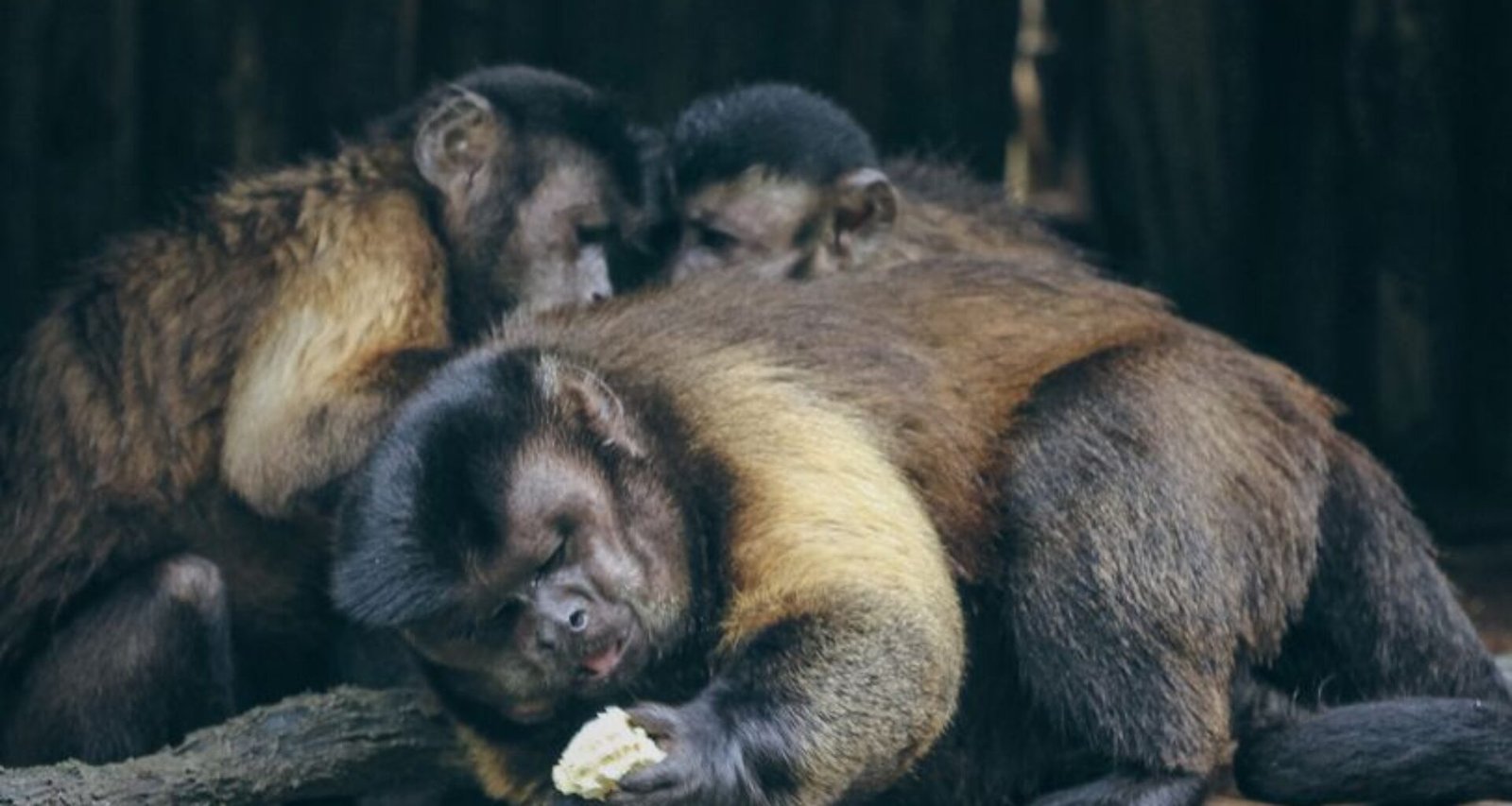
Before first light on Saturday, primatologists led by Dr. Susan Perry set out across the tropical dry forests of Guanacaste, Costa Rica, tracking the dawn behaviors of white-faced capuchin monkeys. July’s record-breaking heat, now a persistent feature of Costa Rican summers, has forced researchers to adjust their own routines—arriving earlier to catch primate activity before temperatures spike above 35°C by midday.
In these early hours, Perry’s team observed a notable shift: capuchin social groups now congregate closer to water sources and spend less time grooming or foraging in open areas. Instead, monkeys retreat to dense canopy cover by late morning, minimizing energy use and direct sun exposure. Data collected since January 2026 documents a 40% reduction in group interactions during peak heat compared to cooler seasons.
Researchers from the Universidad de Costa Rica, collaborating with Perry’s group, have linked these behavioral changes to increasingly erratic rainfall and extended dry periods. With the El Niño–driven drought continuing into July, water holes in several study zones have shrunk by 60%, disrupting traditional monkey travel routes and foraging patterns.
The field team’s findings are feeding into national biodiversity monitoring programs, as Costa Rica’s Ministry of Environment prepares its 2026 SDG progress report. While the government’s 2026 target includes maintaining stable capuchin populations, Perry warns that climate-induced behavioral shifts may mask underlying stress on the species—highlighting a gap between headline targets and on-the-ground realities.
With the hottest weeks of summer still ahead, the team is accelerating data collection and urging policymakers to integrate behavioral indicators into wildlife management plans. As Perry notes, “Counting individuals isn’t enough. We need to measure how their lives are changing in real time.”
Frequently Asked Questions
How is rising heat affecting capuchin monkey social behavior in Costa Rica?
Rising heat is causing capuchin monkeys to reduce group interactions by 40% during peak heat and spend less time grooming or foraging in open areas.
What changes have been observed in capuchin monkey routines due to drought?
Monkeys now congregate closer to water sources and retreat to dense canopy by late morning to minimize energy use and sun exposure.
How much have water holes shrunk in the study zones due to El Niño–driven drought?
Water holes in the study zones have shrunk by 60% as of July.
Who is leading the study on capuchin monkeys in Costa Rica?
The study is led by Dr. Susan Perry in Guanacaste, Costa Rica.
Why do researchers say behavioral changes should be included in wildlife management?
Researchers warn that behavioral shifts may mask underlying stress on the species, so measuring only population counts is not enough to assess wildlife health.