UN
UN 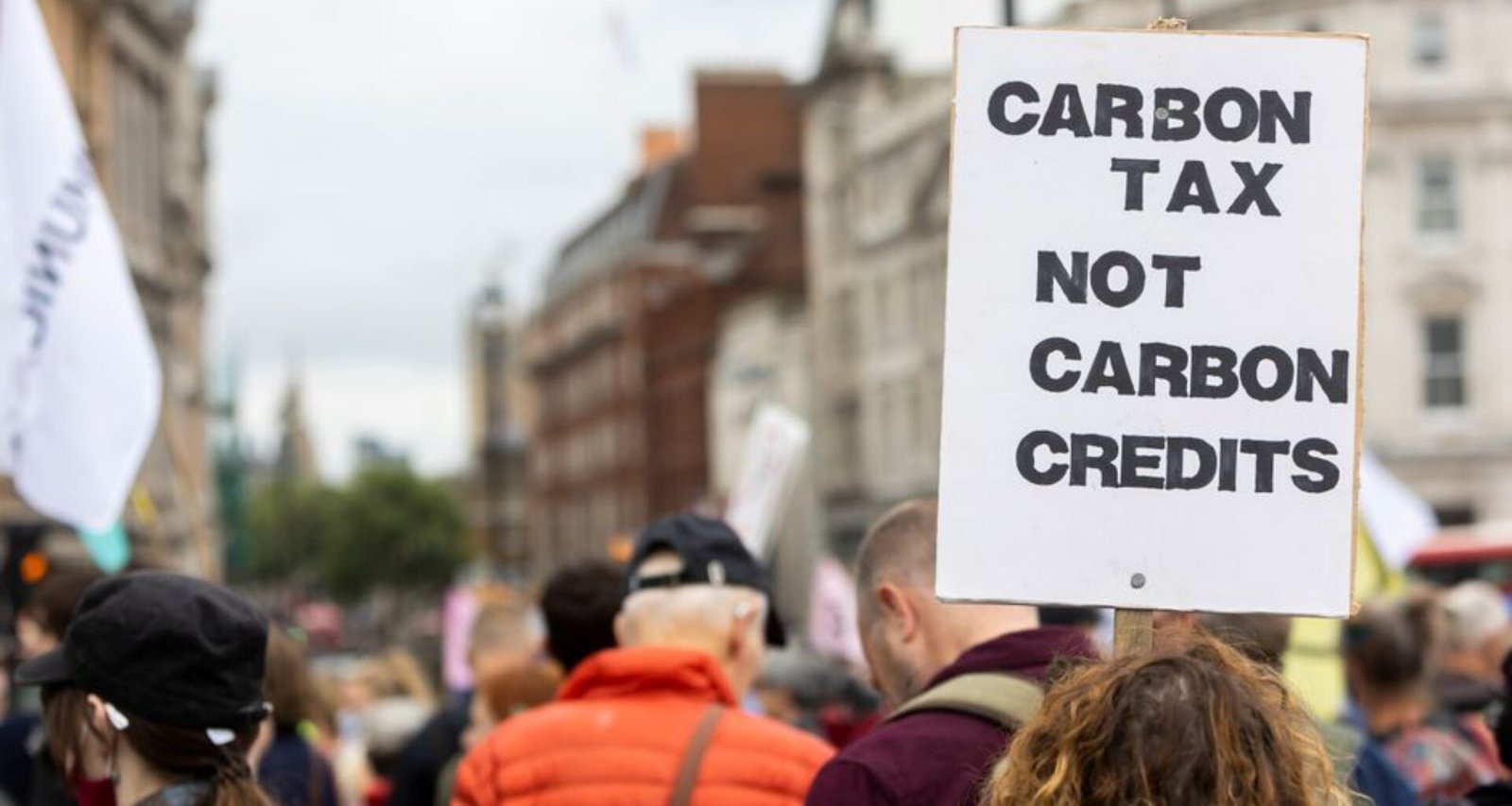
Saturday streets across Madrid and Marseille sweltered under record-breaking heat this weekend, with thermometers exceeding 42°C in some city centers. The relentless temperatures and flare-ups of wildfires along the French Riviera have sharpened public scrutiny of fossil fuel companies, especially as major firms prepare to announce second-quarter profits boosted by oil price surges linked to the ongoing Iran war.
At the European Parliament in Brussels, lawmakers from the Greens/EFA group renewed demands for a windfall tax on oil and gas majors, pointing specifically to Shell and TotalEnergies, which are expected to report combined profits exceeding $40 billion for the first half of 2026. “Communities in southern Europe are paying the price for climate inaction, while fossil fuel shareholders see record dividends,” said MEP Anna Cavazzini on Friday. She cited the EU’s 2026 target to double climate adaptation funding as justification for urgent fiscal measures.
Public debate has shifted markedly this July. In Athens, protestors chanted outside the Hellenic Parliament on Wednesday, demanding that polluters bear the costs of wildfire recovery and heatwave mitigation measures. Polling released by the European Social Survey last week showed 68% of respondents across six EU countries support direct levies on fossil fuel producers to fund climate resilience projects.
Despite the mounting pressure, industry groups like the International Association of Oil & Gas Producers maintain that existing voluntary climate contributions are sufficient, warning that punitive taxes could undermine energy security. However, a recent analysis by the London School of Economics found that less than 10% of disclosed industry climate finance is reaching frontline adaptation projects in Mediterranean states.
As the continent braces for continued extreme weather throughout August, European policymakers are under intensifying scrutiny to move beyond rhetoric. The coming weeks will reveal whether fiscal accountability for climate damage, long discussed in policy circles, translates into enforceable legislation before the autumn session.
Frequently Asked Questions
Why are there calls for a windfall tax on fossil fuel companies in Europe?
Calls for a windfall tax are intensifying due to record heatwaves, wildfires, and soaring oil company profits linked to the Iran war, with the aim of funding climate adaptation.
How much profit are Shell and TotalEnergies expected to report for the first half of 2026?
Shell and TotalEnergies are expected to report over $40 billion in combined profits for the first half of 2026.
What percentage of people in EU countries support direct levies on fossil fuel producers?
68% of respondents in six EU countries support direct levies on fossil fuel producers, according to a recent European Social Survey poll.
How much of the fossil fuel industry’s climate finance reaches frontline adaptation projects in Mediterranean states?
Less than 10% of disclosed industry climate finance reaches frontline adaptation projects in Mediterranean states, according to a London School of Economics analysis.
What actions are EU lawmakers considering regarding fossil fuel profits and climate adaptation?
EU lawmakers are pushing for enforceable windfall taxes on fossil fuel companies before the autumn 2026 session to fund climate adaptation efforts.