



 UN
UN 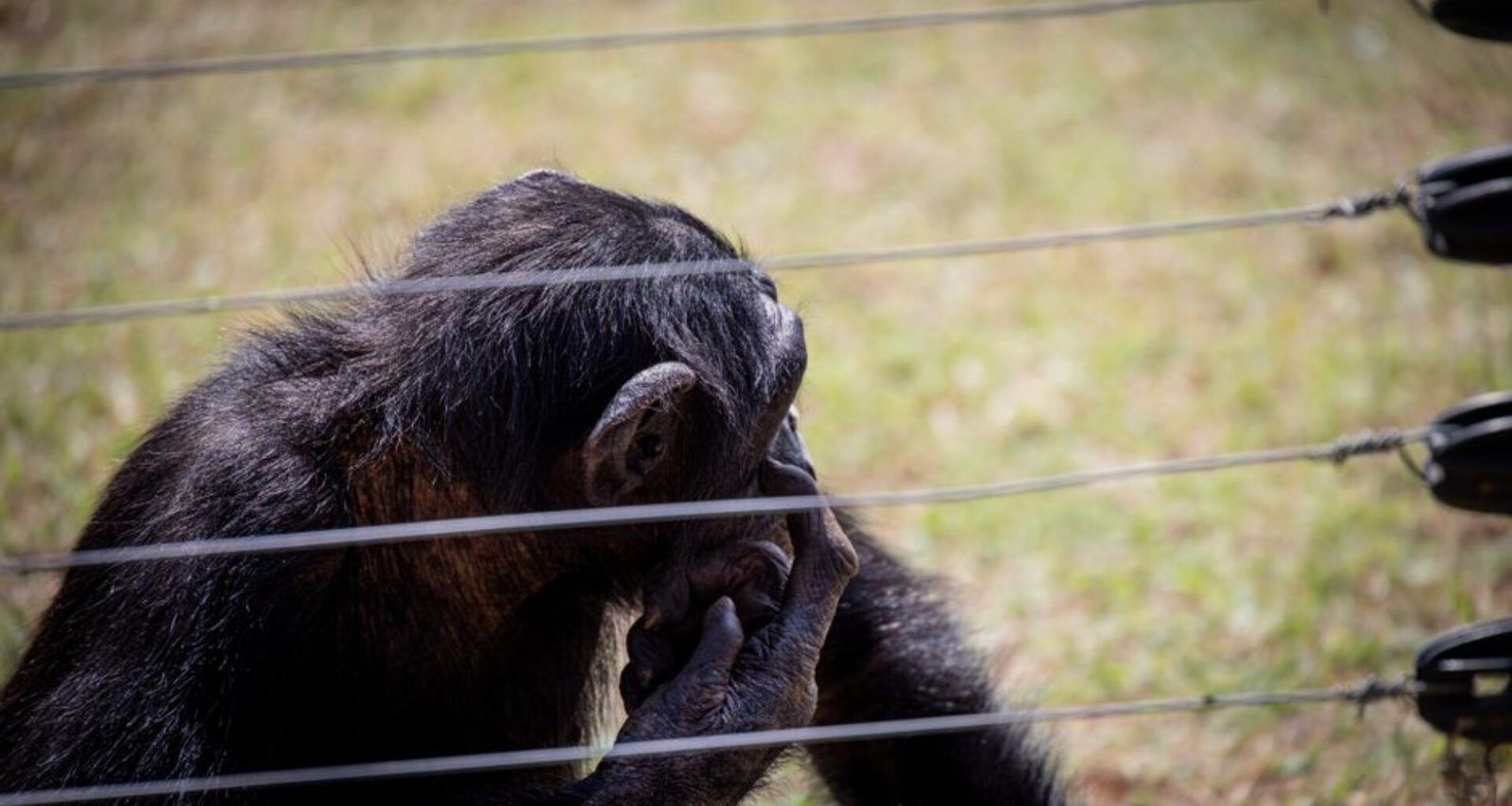
As temperatures climb across South Kivu province this week, operations at the Lwiro Primates Rehabilitation Center (LPRC) have shifted dramatically. Since May 23, over 200 rescued primates remain under strict confinement in response to a confirmed Ebola case in a nearby community. The emergency measures include daily disinfection of bedding and restricted staff movement, following the death of a local resident who tested positive for the virus on May 21.
Dr. Jean-Baptiste Mugisha, LPRC’s veterinary director, described the scene early Tuesday: ‘Our morning routines now begin with full protective gear and a double round of disinfectant sprays. We cannot risk any cross-contamination.’ The primate population at LPRC—mostly chimpanzees and monkeys rescued from trafficking and habitat loss—are considered highly susceptible to Ebola, which has historically devastated both human and great ape populations in Central Africa.
Ebola outbreaks remain a persistent threat to the DRC’s public health systems and biodiversity. The World Health Organization (WHO) has confirmed one human fatality in South Kivu as of last week, with contact tracing and local quarantines underway. LPRC’s rapid response aligns with national guidelines issued by the DRC Ministry of Health, which has prioritized animal sanctuaries and wildlife workers in its updated 2026 epidemic preparedness plan.
The economic and operational impact on LPRC is immediate. Scheduled educational visits and volunteer programs have been suspended through the end of June, with staff citing both infection risks and the need to focus resources on animal welfare. The center relies on international funding, and its leadership is appealing to partners for emergency support to maintain biosecurity supplies and staff overtime pay.
With the South Kivu outbreak evolving, LPRC’s experience raises questions for the broader SDG 3 (Health & Well-being) agenda. Disease spillover between humans and wildlife remains a critical challenge for DRC’s conservation and health sectors, especially as climate-driven migration and deforestation bring communities and wildlife into closer contact. Monitoring and support in the coming weeks will be crucial to preventing further losses among both local residents and endangered primates.
Frequently Asked Questions
Why did the Lwiro Primates Rehabilitation Center in South Kivu go into lockdown?
The Lwiro Primates Rehabilitation Center imposed a lockdown after a confirmed Ebola case and death in a nearby community to prevent cross-contamination and protect its rescued primates.
How are the primates at LPRC being protected during the Ebola outbreak?
The primates are under strict confinement, with daily disinfection of bedding, restricted staff movement, and staff using full protective gear and double rounds of disinfectant sprays.
What impact has the Ebola outbreak had on LPRC’s operations?
Educational visits and volunteer programs have been suspended through June, and resources are being focused on animal welfare and biosecurity measures.
How many Ebola cases have been confirmed in South Kivu during this outbreak?
The World Health Organization has confirmed one human fatality in South Kivu as of last week.
Why are primates at risk during Ebola outbreaks in the DRC?
Primates, especially chimpanzees and monkeys, are highly susceptible to Ebola, which has historically devastated both human and great ape populations in Central Africa.