

 UN
UN 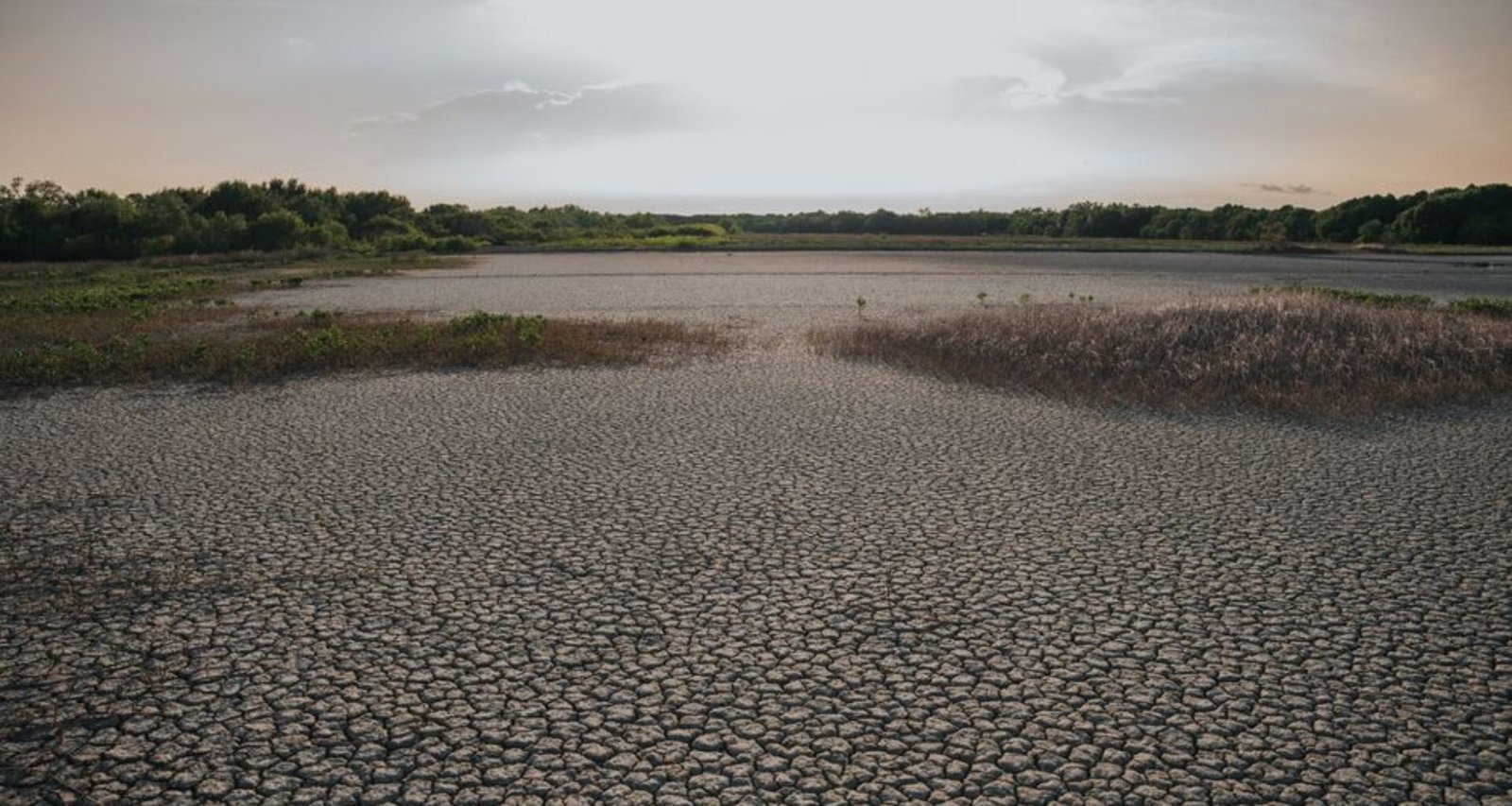
This Thursday morning, residents of Kingston, Jamaica queued before sunrise at public pumps, waiting for water rations as temperatures hovered near 36°C. Across the Caribbean, severe heat is driving a spike in water shortages, with many communities reporting dry taps for days on end. While officials in Barbados and Trinidad have pointed to the ongoing El Niño event, regional climate scientists warn that rising global temperatures are turning routine climate cycles into more destructive crises.
Data from the Caribbean Institute for Meteorology and Hydrology show that rainfall across the region is down 43% compared to seasonal averages, while demand for water has surged by nearly 30% since the start of June. In Port of Spain, the Water and Sewerage Authority (WASA) has introduced rolling outages, citing reservoir levels at just 22% of capacity—well below the 50% threshold typically considered critical for this time of year.
The World Meteorological Organization reported last week that the Atlantic sea surface temperature has now exceeded 28°C, intensifying evaporation and disrupting rainfall patterns. Local NGOs, including the Caribbean Natural Resources Institute, are calling for accelerated investment in drought-resilient infrastructure, such as rainwater harvesting and desalination plants, by 2026.
Despite repeated pledges from regional governments to address water management under the CARICOM Climate Change Framework, progress has been incremental. Only three countries—Barbados, Antigua, and St. Lucia—have published measurable targets for reducing network losses and diversifying water sources by the 2026 deadline. Meanwhile, utility companies have faced criticism for prioritizing hotel and tourism zones, leaving many rural households reliant on costly water deliveries.
With school terms set to resume later this month, public health experts warn of increased risks of waterborne diseases and heat stress, especially among children and older adults. The question now dominating policy meetings from Nassau to Bridgetown: Will the region’s climate adaptation efforts keep pace with the accelerating impacts of a warming world?
Frequently Asked Questions
Why is the Caribbean experiencing water shortages in 2024?
The Caribbean is facing water shortages due to a combination of extreme heat, reduced rainfall from El Niño, and climate change, which have lowered reservoir levels and increased water demand.
How much has rainfall decreased in the Caribbean during the current crisis?
Rainfall across the Caribbean is down 43% compared to seasonal averages.
Which Caribbean countries have set water management targets for the 2026 CARICOM deadline?
Only Barbados, Antigua, and St. Lucia have published measurable water management targets for the 2026 CARICOM deadline.
How are utility companies in the Caribbean prioritizing water distribution during shortages?
Utility companies have prioritized hotel and tourism zones, leaving many rural households dependent on costly water deliveries.
What are the public health risks associated with the Caribbean water crisis?
Public health experts warn of increased risks of waterborne diseases and heat stress, especially among children and older adults.