UN
UN 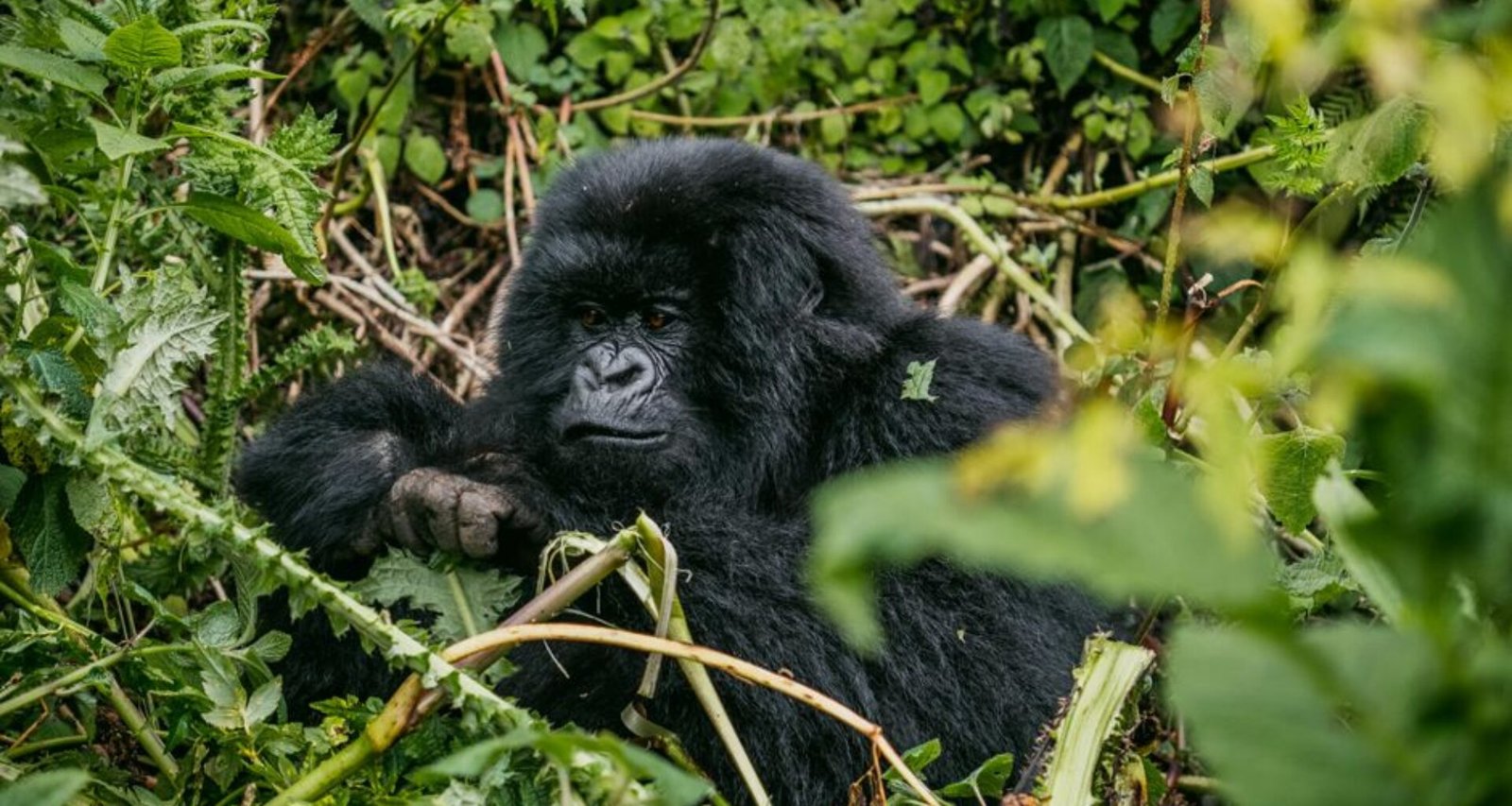
On Thursday morning in Yaoundé, Cameroon, conservation scientists presented new data suggesting that protecting forests inhabited by primates—such as gorillas, chimpanzees, and colobus monkeys—could also preserve habitats for thousands of less-prominent species. The peer-reviewed study, led by researchers at the University of Oxford and published this week, analyzed 400,000 square kilometers of Central African rainforest. It found that regions prioritized for primate conservation overlapped with ranges for more than 8,000 other plant and animal species, including amphibians, birds, and endemic tree varieties.
The research challenges the long-standing practice of focusing conservation spending on ‘umbrella’ species like tigers or giant pandas. Instead, the authors argue that primates’ ecological needs—large, contiguous forests rich in fruiting trees—make them uniquely effective as biodiversity proxies in tropical regions. “We’re seeing a much broader spectrum of species benefit when primate habitats are preserved,” said Dr. Amina Nguema, a lead author of the study, during a press conference at the Centre for Biodiversity Studies.
The timing comes as Central African governments enter budget discussions for their 2027 national biodiversity targets under the Kunming-Montreal Global Biodiversity Framework. In Gabon and the Republic of the Congo, environment ministries confirmed this week that they are reviewing protected area boundaries to potentially align with the new findings. The World Bank and the Global Environment Facility, which together directed $220 million to regional conservation projects last year, have signaled interest in reprioritizing funding if measurable co-benefits are documented.
However, skepticism remains among field NGOs and local land rights groups. “We’ve seen too many announcements that fail to deliver real habitat protection,” said Odile Mbega, director of Forests & Futures Cameroon, during a roundtable on Wednesday. She emphasized the need for transparent monitoring and community involvement to ensure that primate-focused reserves don’t become another top-down conservation tool that excludes Indigenous stewards.
With negotiations and summer fieldwork underway, the focus now shifts to translating scientific recommendations into on-the-ground impact. Monitoring teams will report preliminary results from the expanded reserves later this season, with a full progress review expected by December 2026. For sustainability professionals and policy researchers, the study adds weight to a growing call: aligning primate protection with broader biodiversity strategies may offer a more efficient path to SDG 15 by the end of the decade.
Frequently Asked Questions
What did the new study about Central African primate habitats find?
The study found that protecting Central African primate habitats could also safeguard more than 8,000 other plant and animal species.
How much rainforest did the study analyze in Central Africa?
The study analyzed 400,000 square kilometers of Central African rainforest.
Which countries are reviewing their protected area boundaries in response to the study?
Gabon and the Republic of the Congo are reviewing their protected area boundaries in response to the study’s findings.
Why do researchers argue primates are effective biodiversity proxies?
Researchers argue that primates’ ecological needs—large, contiguous forests rich in fruiting trees—make them uniquely effective as biodiversity proxies in tropical regions.
When is a full progress review of the expanded reserves expected?
A full progress review of the expanded reserves is expected by December 2026.