UN
UN 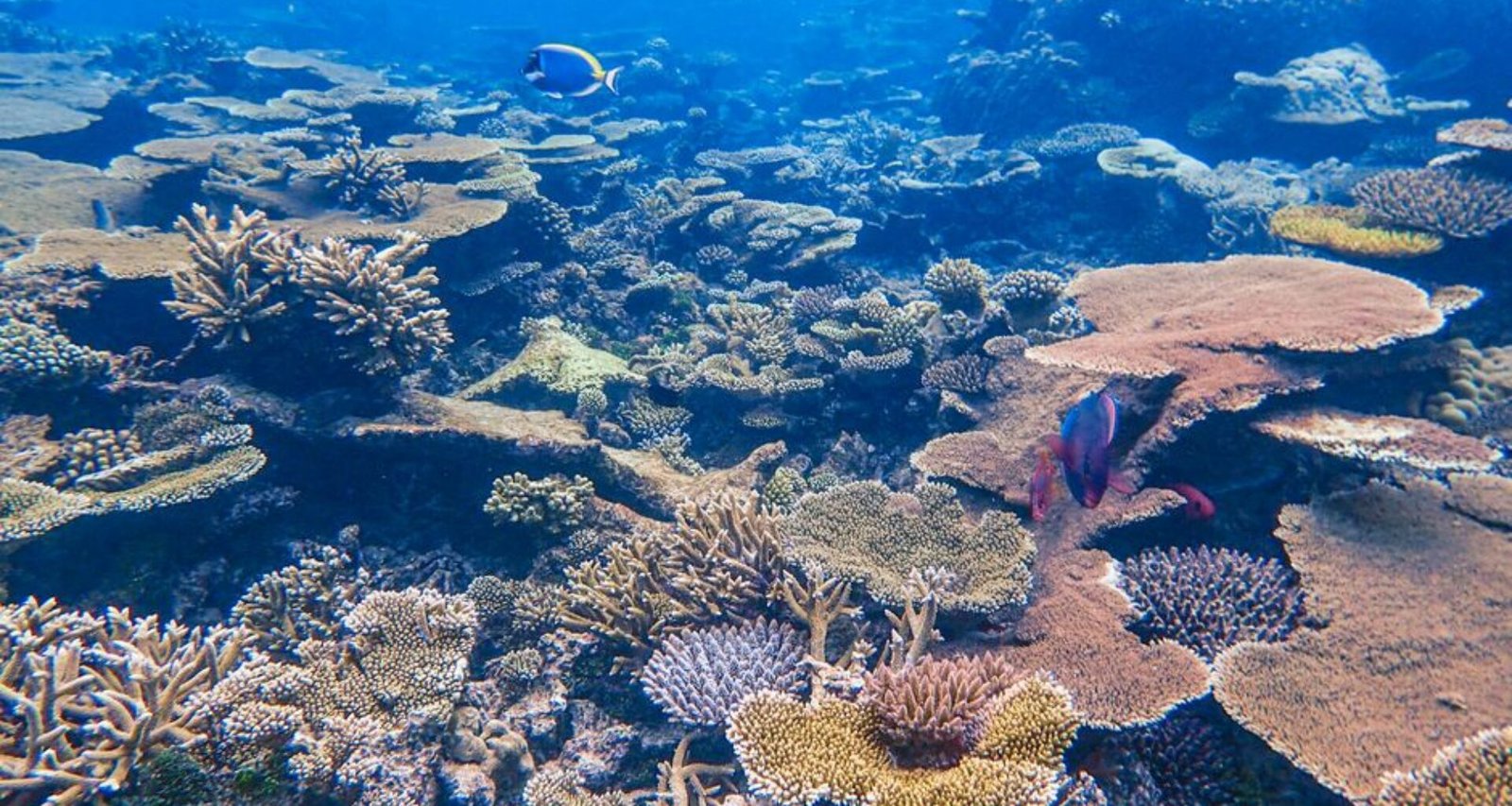
On Wednesday, President Donald Trump signed an executive order authorizing commercial fishing in three Pacific marine national monuments, reversing protection measures that had been in place since the early 2000s under President George W. Bush. The move affects the Pacific Remote Islands, Rose Atoll, and Marianas Trench marine national monuments, which collectively cover more than 750,000 square kilometers of ocean and are home to some of the world’s oldest coral reefs and rare seabird colonies.
The White House statement framed the action as a boost for US-flagged fishing fleets and coastal economies, citing market pressures and post-pandemic supply chain disruptions. However, marine scientists and regional NGOs, including the Pacific Islands Conservation Initiative, have raised alarms about the potential impact on biodiversity and the United States’ progress toward SDG 14 (Life Below Water) targets for 2030. According to NOAA, less than 3% of US territorial waters are currently fully protected from extractive activities such as fishing and mining.
On Thursday morning in Honolulu, fisheries representatives welcomed the policy, pointing to an estimated $150 million in potential annual revenue for local tuna and swordfish exporters. Meanwhile, conservation groups staged a demonstration outside the East-West Center, calling the rollback a “clear setback” for marine ecosystem health. The Center for American Progress released a statement noting that the monuments were originally designed to serve as climate refuges and that reopening them risks undermining long-term ocean resilience.
This policy shift comes at a time when Pacific nations are reporting record-high sea surface temperatures and coral bleaching events this summer. Regional environmental agencies have warned that commercial fishing in these sensitive areas could accelerate habitat loss and threaten migratory species, some of which are already classified as endangered. The Biden administration has yet to announce whether it will seek to reverse or modify the order, but legal and diplomatic challenges are expected in the coming weeks.
With the UN High-Level Political Forum on Sustainable Development set to review ocean conservation progress later this month, all eyes are on how US actions will influence global SDG 14 reporting. Observers note that the commercial opening of these monuments will be a central topic in Pacific regional environmental discussions throughout the remainder of 2026.
Frequently Asked Questions
Which Pacific marine national monuments were reopened to commercial fishing by the executive order?
The Pacific Remote Islands, Rose Atoll, and Marianas Trench marine national monuments were reopened to commercial fishing.
How much of US territorial waters are fully protected from extractive activities?
Less than 3% of US territorial waters are fully protected from extractive activities such as fishing and mining, according to NOAA.
What is the estimated annual revenue from reopening these marine monuments to commercial fishing?
Fisheries representatives estimate $150 million in potential annual revenue from local tuna and swordfish exports due to the policy change.
What concerns have conservation groups raised about the rollback of protections for these marine monuments?
Conservation groups warn the rollback could accelerate habitat loss, threaten endangered migratory species, and undermine long-term ocean resilience.
How does this policy shift relate to SDG 14 targets?
Marine scientists and NGOs have raised concerns that reopening the monuments could hinder US progress toward SDG 14 (Life Below Water) targets for 2030.