UN
UN 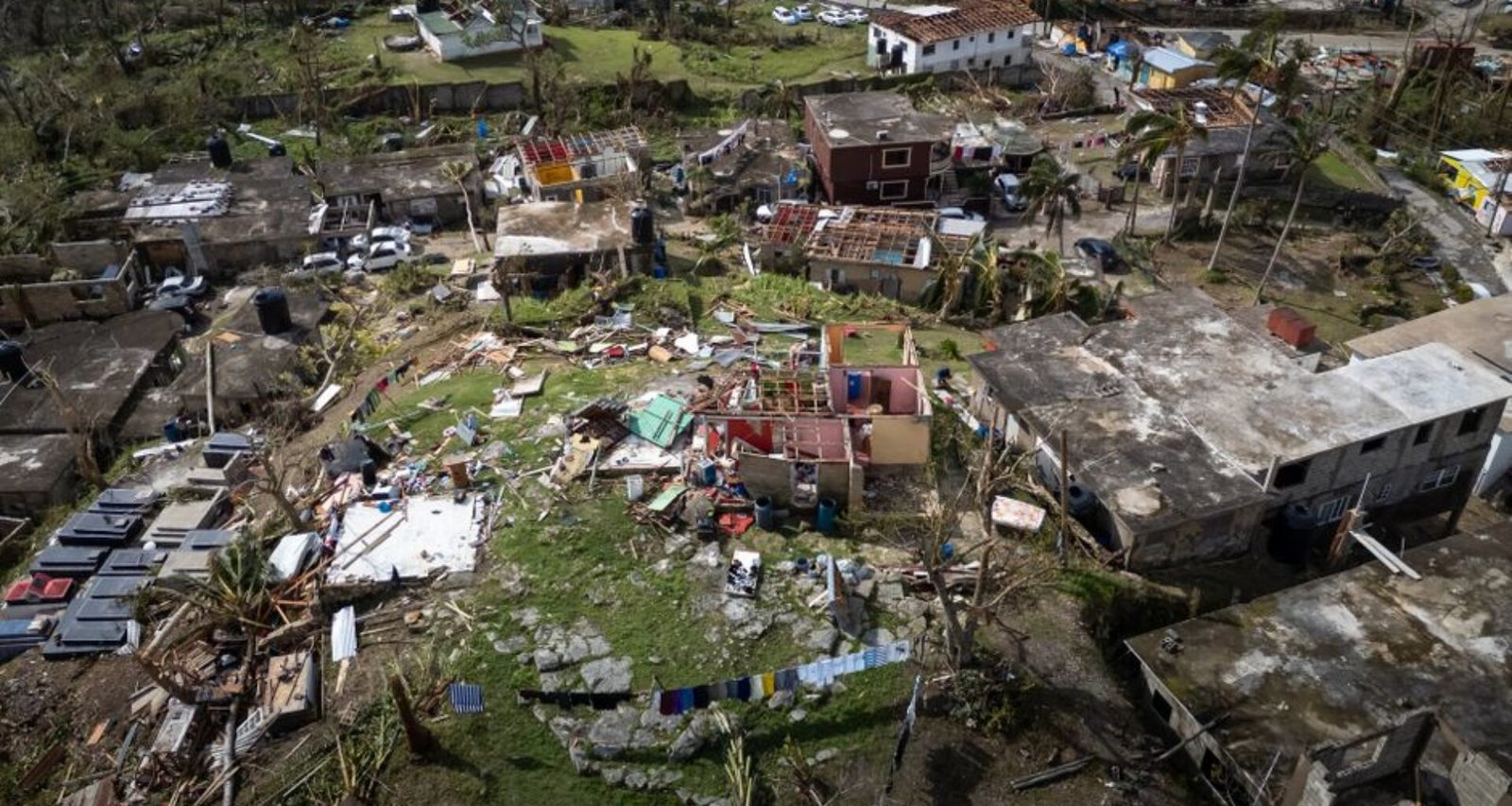
As the United States enters the peak of hurricane and wildfire season, a new report from the Government Accountability Office (GAO) highlights critical shortfalls in the Federal Emergency Management Agency’s (FEMA) capacity to respond to disasters. The GAO, a nonpartisan congressional watchdog, found that more than 4,300 FEMA employees—roughly 17% of the agency’s workforce—departed during the last fiscal year, following significant downsizing measures enacted during the second Trump administration.
The GAO’s findings, published this week, indicate that FEMA’s long-standing staffing and retention challenges have been sharply exacerbated by these cuts. In testimony to the House Committee on Homeland Security on Tuesday, GAO officials pointed to rising turnover among experienced field coordinators and a lack of emergency management specialists in key regional offices, including the Gulf Coast and wildfire-prone Western states.
On Wednesday, FEMA spokesperson Laura Peterson acknowledged the workforce reduction but insisted that the agency is “actively recruiting and retraining staff” ahead of the peak disaster response period. However, the agency has yet to present concrete hiring targets or a timeline for restoring capacity, raising concerns among state officials in Florida, Louisiana, and California. Local emergency managers told SDG Talking that response teams are already stretched thin as heat domes and flash floods disrupt communities this August.
The GAO report warns that the reduced workforce could compromise FEMA’s ability to implement climate resilience programs funded under the Bipartisan Infrastructure Law. These include the distribution of $3.5 billion for flood mitigation and wildfire defense grants—funding that requires specialized oversight to reach frontline communities by the end of 2026. Congressional leaders have requested monthly updates from FEMA on staffing levels and program delivery through the remainder of this year.
With extreme weather events intensifying and disaster costs surpassing $165 billion so far in 2026, the agency’s capacity crisis is drawing renewed scrutiny from SDG 13 (Climate Action) and SDG 11 (Sustainable Cities) advocates. The GAO’s report calls for a clear, measurable roadmap to rebuild FEMA’s workforce before the next hurricane makes landfall.
Frequently Asked Questions
Why has FEMA’s workforce shrunk by 17%?
FEMA’s workforce shrunk by 17% due to over 4,300 staff departures in the last fiscal year, following downsizing measures from the second Trump administration.
Which FEMA regional offices are most affected by the staffing shortfall?
Key regional offices affected include the Gulf Coast and wildfire-prone Western states.
How might FEMA’s reduced workforce impact disaster response in 2026?
The GAO warns that the reduced workforce could compromise FEMA’s ability to respond to disasters and implement climate resilience programs during peak hurricane and wildfire season.
What climate resilience funding does FEMA oversee under the Bipartisan Infrastructure Law?
FEMA oversees $3.5 billion in climate resilience grants for flood mitigation and wildfire defense, which require agency oversight by 2026.
How much have disaster costs totaled so far in 2026?
Disaster costs have surpassed $165 billion so far in 2026.