UN
UN 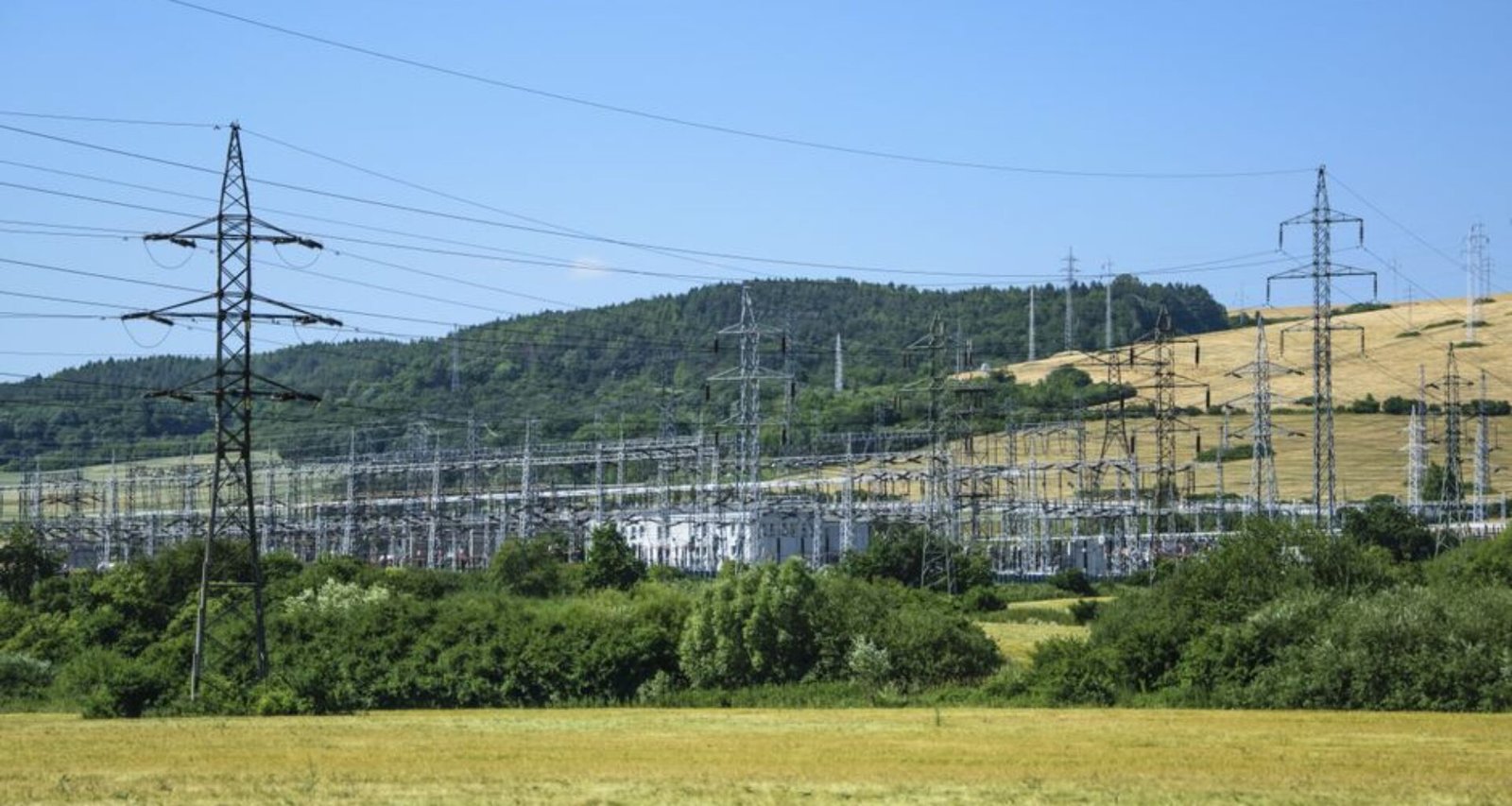
Natural gas projects account for nearly half of the 200 gigawatts of new generation capacity accepted into PJM Interconnection’s reformed grid interconnection queue this week, reflecting surging electricity demand from data centers in the Mid-Atlantic and Midwest. According to PJM’s latest figures released Thursday, natural gas outpaces both battery storage and solar proposals—an outcome that has drawn scrutiny from clean energy advocates as the region faces escalating summer heat and peak demand.
The PJM Interconnection, which operates the world’s largest wholesale electricity market across 13 US states and the District of Columbia, launched its revamped interconnection process in response to years-long backlogs. Now, with the first results in, 48% of qualified capacity is natural gas, while battery storage and solar projects collectively make up just over a third.
Virginia’s Loudoun County, home to the nation’s densest concentration of data centers, has been a focal point for this trend. Local officials reported on Friday that power requests from new data campus developments have more than doubled since June. The region’s utilities, alongside developers, are pushing for fast-tracked gas-fired projects to meet the projected 2027 demand spike.
Clean energy organizations, including the Clean Grid Alliance, voiced concern at a Friday press conference in Columbus, Ohio, warning that the current queue composition risks locking in fossil fuel emissions through at least 2030. PJM leadership, however, emphasized that the queue reflects only proposed—not yet constructed—projects, and that many will still face permitting, financing, or market hurdles.
The next round of PJM’s interconnection approvals is expected later this season. Observers say the grid’s evolving mix this summer will be a critical test for both the region’s climate ambitions and its ability to reliably serve new digital infrastructure.
Frequently Asked Questions
What percentage of new power generation projects in PJM’s 2026 grid queue are natural gas?
Natural gas projects make up 48% of the 200 GW of new capacity in PJM’s latest interconnection queue.
How do battery storage and solar projects compare to natural gas in PJM’s new capacity queue?
Battery storage and solar projects together account for just over a third of the proposed capacity, while natural gas accounts for nearly half.
Why is there a surge in electricity demand in PJM’s region?
The surge is driven by rapidly increasing electricity demand from data centers, especially in areas like Loudoun County, Virginia.
What concerns have clean energy groups raised about PJM’s current interconnection queue?
Clean energy groups warn that the current queue could lock in fossil fuel emissions through at least 2030.
Does PJM’s interconnection queue mean all proposed projects will be built?
No, PJM leadership notes that the queue reflects only proposed projects, many of which may not be constructed due to permitting, financing, or market hurdles.