

 UN
UN 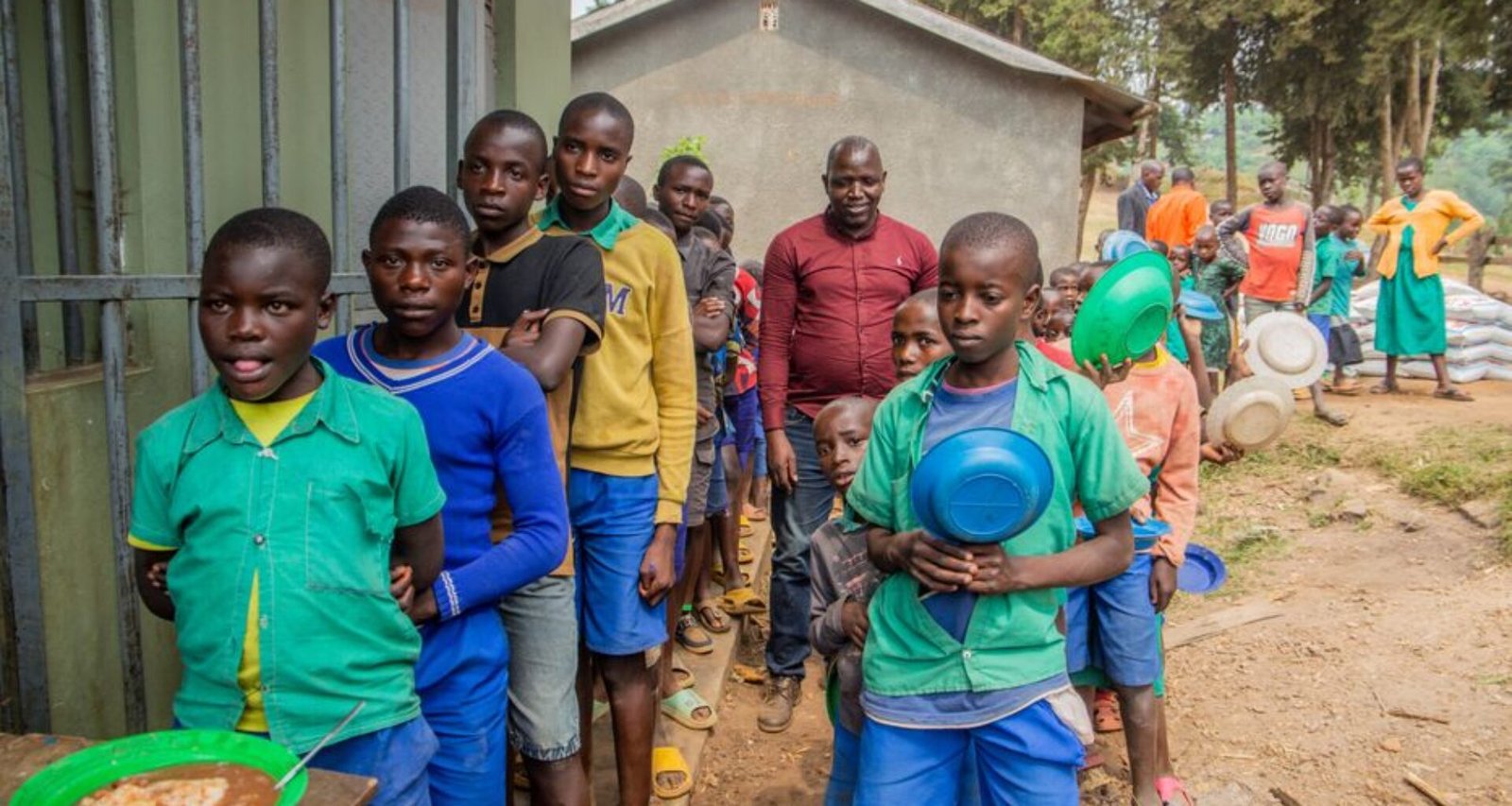
On Wednesday morning in Kampala, humanitarian agencies reported that over 2.8 million Ugandans are facing critical food shortages as drought conditions intensify across the Karamoja and Teso regions. The UN Office for the Coordination of Humanitarian Affairs confirmed that current emergency food reserves are projected to last only three more weeks, prompting calls for immediate international intervention. Local health centers in Moroto district report a 40% rise in malnutrition cases compared to May, underscoring the escalating crisis as families endure the peak of the dry season.
Meanwhile, in Washington, the US Department of the Interior, acting under the recent policies of President Trump’s administration, formally opened more than 340,000 acres of previously protected habitats in Alaska and the Southeastern US to commercial development. Conservation groups including the National Wildlife Federation criticized the move, citing the likely loss of at least 12 threatened and endangered species’ breeding grounds. The new rules, published Monday, remove environmental review requirements for key wetlands and old-growth forests, raising alarms just as summer migratory patterns reach their zenith.
Across the Atlantic, the UK government delivered a mid-July fiscal update confirming a 55% reduction in bilateral aid earmarked for tropical rainforest protection, effective immediately. The Foreign, Commonwealth & Development Office stated that funding for Brazil, Indonesia, and the Congo Basin will be prioritized only for projects demonstrating “direct, short-term climate impact”. Several NGOs, including Global Canopy, warned that this sudden cut could undermine recent progress towards SDG 15 targets and jeopardize existing community forest programs by the end of this summer.
These policy shifts, announced and enacted within days of each other, come as the global SDG community marks the halfway point of 2026. As government offices slow for the summer holiday, sector experts warn that both delivery timelines and long-term outcomes risk being sidelined. Observers are closely tracking whether emergency pledges translate into tangible support for frontline communities in the coming weeks, particularly as funding and protections contract in the world’s most vulnerable ecosystems.
Frequently Asked Questions
How many Ugandans are facing critical food shortages this summer?
Over 2.8 million Ugandans are facing critical food shortages due to worsening drought conditions.
What changes did the US Department of the Interior make to habitat protections?
The US Department of the Interior opened 340,000 acres of previously protected habitats to commercial development, removing environmental review requirements for key wetlands and old-growth forests.
Which species are affected by the US rollback of habitat protections?
At least 12 threatened and endangered species’ breeding grounds are impacted by the US rollback of habitat protections.
How much has the UK cut its rainforest aid, and when does it take effect?
The UK government announced a 55% reduction in bilateral aid for tropical rainforest protection, effective immediately.
What is the status of emergency food reserves in Uganda?
Uganda’s emergency food reserves are projected to last only three more weeks according to the UN Office for the Coordination of Humanitarian Affairs.