


 UN
UN 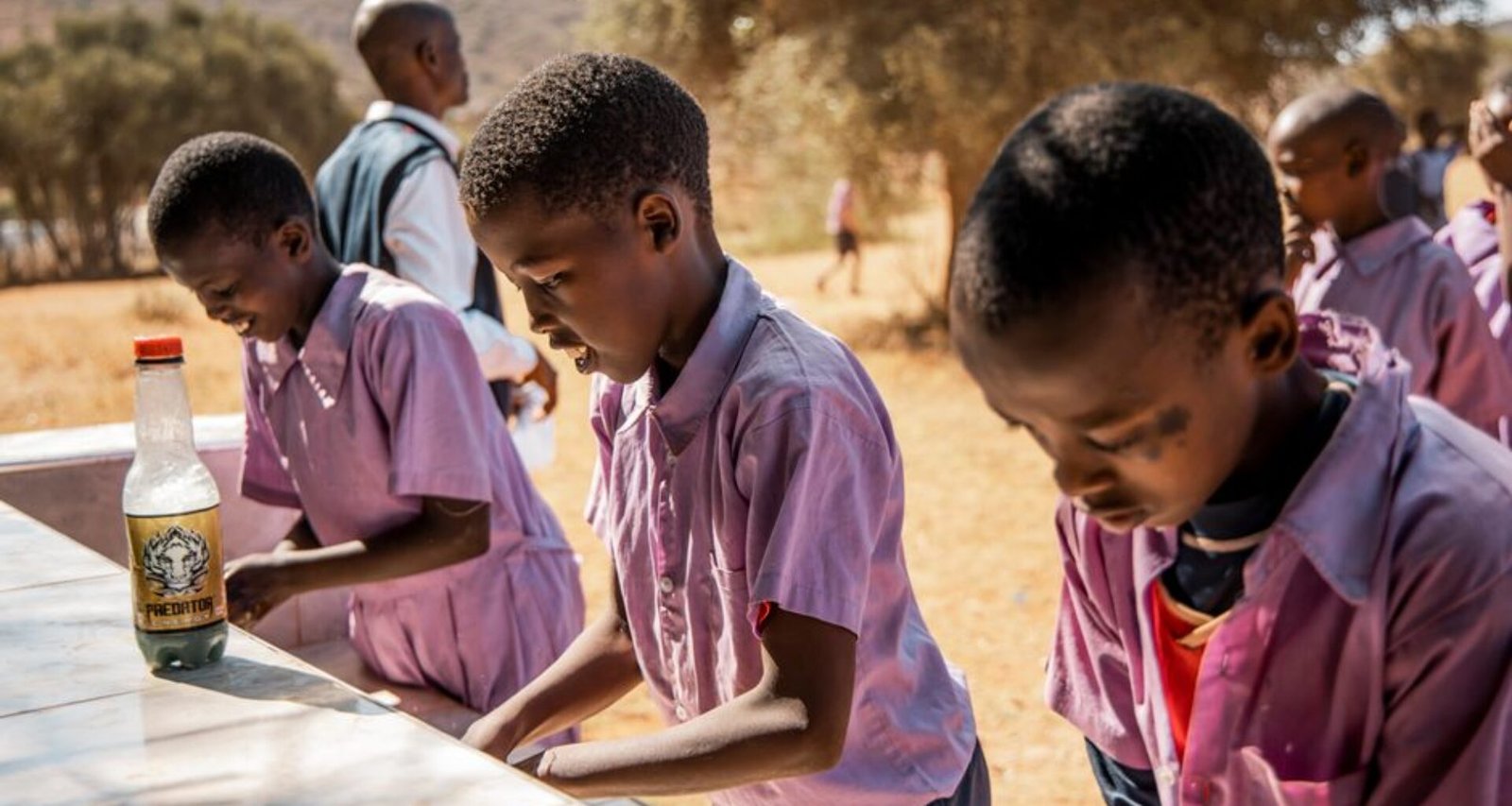
- The third round targets 15,000 rural girls across Kenya.
- Deadline for full delivery is September 2026.
- Key partners include the Ministry of Education and UNICEF Kenya.
Kenya Youth Education Fund (KYEF), in partnership with the Ministry of Education and UNICEF Kenya, launched its third funding round on June 12, 2024, focusing on advancing girls’ education in rural areas. This phase intends to address the persistent gender gap in school enrolment and completion, particularly among communities facing economic and social barriers.
The new round will distribute grants, educational materials, and mentorship opportunities to girls in 10 counties identified as having the lowest transition rates from primary to secondary school. According to KYEF’s monitoring data, only 61% of rural girls in these regions completed secondary education as of 2023, highlighting the urgency of the intervention.
Unlike previous funding rounds, the third round introduces stricter monitoring and accountability frameworks. Each grant recipient’s progress will be tracked quarterly, with annual reporting to international donors and the Kenyan government. KYEF asserts that the program has already enabled over 9,000 girls to remain in school since its inception in 2020, but acknowledges gaps in transparency and delivery for previous cycles.
The initiative’s 2026 target aligns with Kenya’s national education strategy and SDG 4 (Quality Education), but observers note the ambitious scale. While the commitment is significant, sector watchdogs, including Education for All Kenya, urge ongoing scrutiny to ensure that public pledges translate into measurable, on-the-ground progress, not just headline announcements.
Frequently Asked Questions
What is the Kenya Youth Education Fund’s main goal for the third round?
The third round of the Kenya Youth Education Fund aims to support 15,000 rural girls with resources and mentorship to help them complete primary and secondary education by September 2026. The initiative specifically addresses educational disparities in counties with the lowest female enrolment and transition rates.
How will the program ensure real impact instead of just announcements?
KYEF has implemented quarterly monitoring of grant recipients, with annual public reporting to government and donor partners. Independent evaluators and sector NGOs will review delivery metrics to ensure accountability, moving beyond previous cycles’ self-reported progress.
Which organizations are involved besides KYEF?
The third round is a collaboration between KYEF, the Kenyan Ministry of Education, and UNICEF Kenya, with additional technical support from local NGOs and funding from international donors. Coordination aims to align with Kenya’s national SDG targets and education policy frameworks.
Frequently Asked Questions
What is the target of the Kenya Youth Education Fund’s third funding round?
The third funding round aims to support 15,000 rural girls in 10 Kenyan counties with education resources and mentorship by September 2026.
Which organizations are partnering in the Kenya Youth Education Fund’s third round?
Key partners include the Kenya Youth Education Fund (KYEF), the Ministry of Education, and UNICEF Kenya.
What new accountability measures are being introduced in this funding round?
The third round introduces quarterly monitoring of grant recipients and annual public reporting to donors and the Kenyan government.
Why is this initiative focused on rural girls in Kenya?
Only 61% of rural girls in the targeted regions completed secondary education as of 2023, highlighting a significant gender gap in school completion.
How will the program’s impact be evaluated?
Independent evaluators and sector NGOs will review delivery metrics, and there will be annual public reporting to ensure accountability.