



 UN
UN 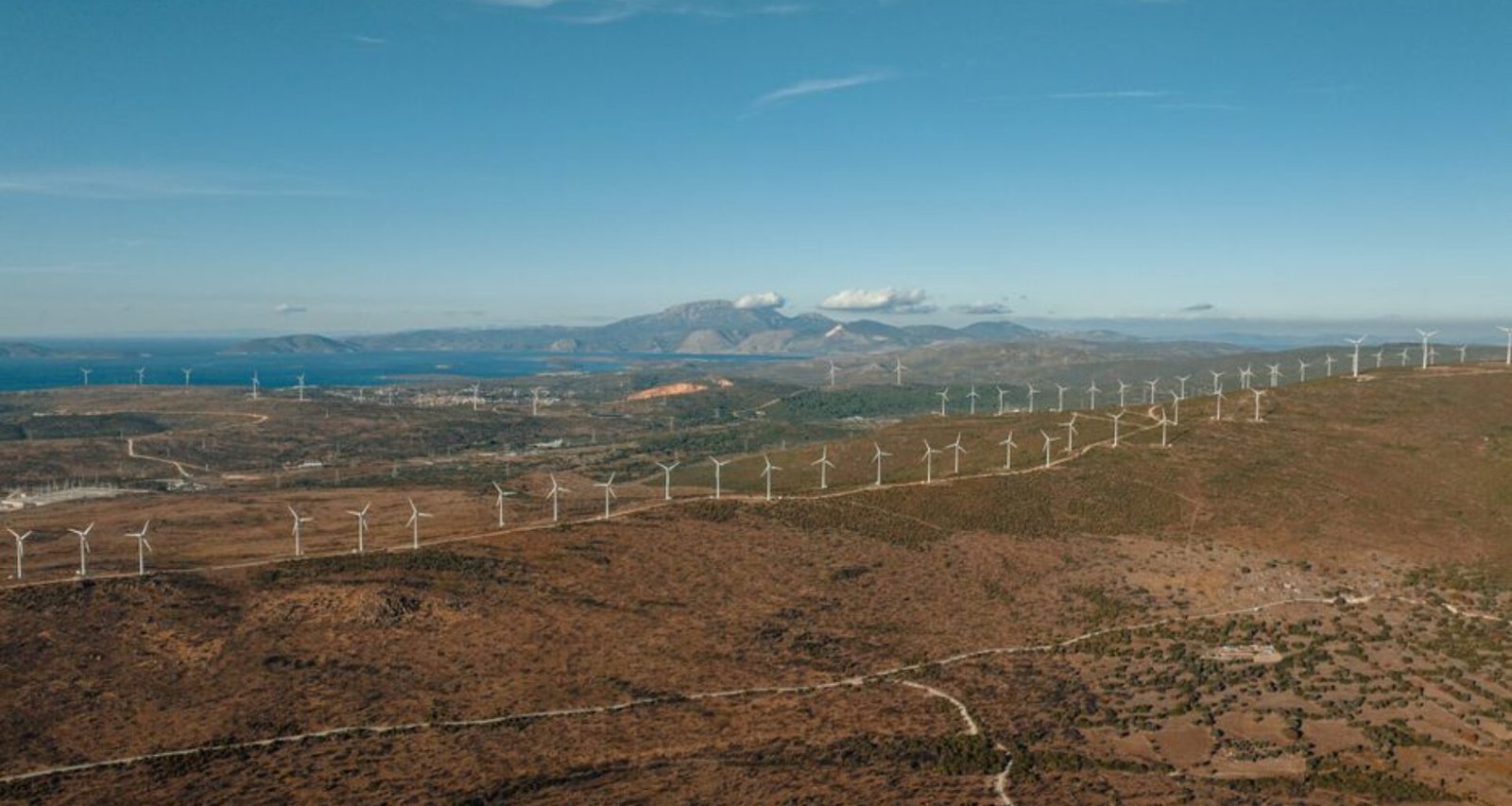
- €800 million wind investment announced by the Greek Ministry of Environment and Energy in June 2024
- Target: 30% of Greece’s power from renewables by 2026, up from 22% in 2023
- Summer 2023 heatwaves saw peak demand surge by 12%, causing temporary outages
Greece’s Ministry of Environment and Energy announced in June 2024 a new €800 million wind power expansion programme, a direct response to grid disruptions during last year’s extreme summer heatwaves. The plan prioritises large-scale projects in the Cyclades and Thrace, regions with high wind potential and existing grid challenges. Key delivery partners include the Independent Power Transmission Operator (IPTO) and several European financial institutions, highlighting coordinated public-private investment.
The 2023 and 2024 summer heatwaves tested the resilience of Greece’s electricity network, with the Hellenic Grid Operator (ADMIE) reporting a 12% spike in demand during peak periods and multiple incidents of rolling blackouts in Athens and Thessaloniki. Experts from the National Technical University of Athens have warned that such climate-induced stress events are likely to become annual occurrences unless renewable integration is accelerated.
While the €800 million funding package has been formally announced, industry analysts caution that previous renewable pledges in Greece have not always translated to timely delivery. According to the Hellenic Wind Energy Association, less than 60% of announced wind capacity between 2020 and 2023 was commissioned on schedule, with permitting delays and grid bottlenecks cited as primary obstacles. The government asserts that new regulatory reforms introduced in 2024 will streamline project implementation and ensure measurable progress toward the 2026 renewable energy target.
International observers, including the European Commission, have praised Greece’s updated renewable strategy but stress the need for transparent reporting and robust delivery mechanisms to avoid the pitfalls of past greenwashing claims. The upcoming 2026 milestone will serve as a key test of Greece’s ability to translate climate ambitions into concrete grid resilience and emissions reductions outcomes.
Frequently Asked Questions
What is the scope of Greece’s €800 million wind power expansion?
The €800 million programme, announced in June 2024, focuses on new wind installations in the Cyclades and Thrace, aiming to scale up national wind capacity and address grid vulnerabilities exposed by recent heatwaves. The goal is to raise the share of renewables in Greece’s energy mix to 30% by the end of 2026.
How have recent heatwaves impacted Greece’s electricity grid?
In summer 2023, Greece experienced a 12% jump in peak electricity demand due to prolonged heatwaves, leading to rolling blackouts in multiple urban centres. Experts anticipate such events will become more frequent, underscoring the need for resilient renewable infrastructure.
Is Greece likely to meet its 2026 renewable energy target?
While Greece has formalised ambitious targets and funding, past delivery has lagged behind announcements. Regulatory reforms in 2024 aim to address delays, but actual progress will depend on streamlined permitting, grid upgrades, and consistent monitoring to avoid greenwashing.
Frequently Asked Questions
What is the purpose of Greece’s €800 million wind power investment?
The investment aims to expand wind power capacity and strengthen Greece’s electricity grid after recent heatwaves exposed vulnerabilities.
Which regions will benefit most from the new wind power projects in Greece?
Key wind projects will be located in the Cyclades and Thrace, areas with high wind potential and existing grid challenges.
What is Greece’s renewable energy target for 2026?
Greece aims to increase the share of renewables in its national power mix to 30% by 2026, up from 22% in 2023.
What challenges have delayed wind power projects in Greece between 2020 and 2023?
Less than 60% of announced wind capacity was commissioned on schedule due to permitting delays and grid bottlenecks.
How did the 2023 heatwaves affect Greece’s electricity grid?
The 2023 heatwaves caused a 12% surge in peak electricity demand and led to rolling blackouts in Athens and Thessaloniki.