UN
UN 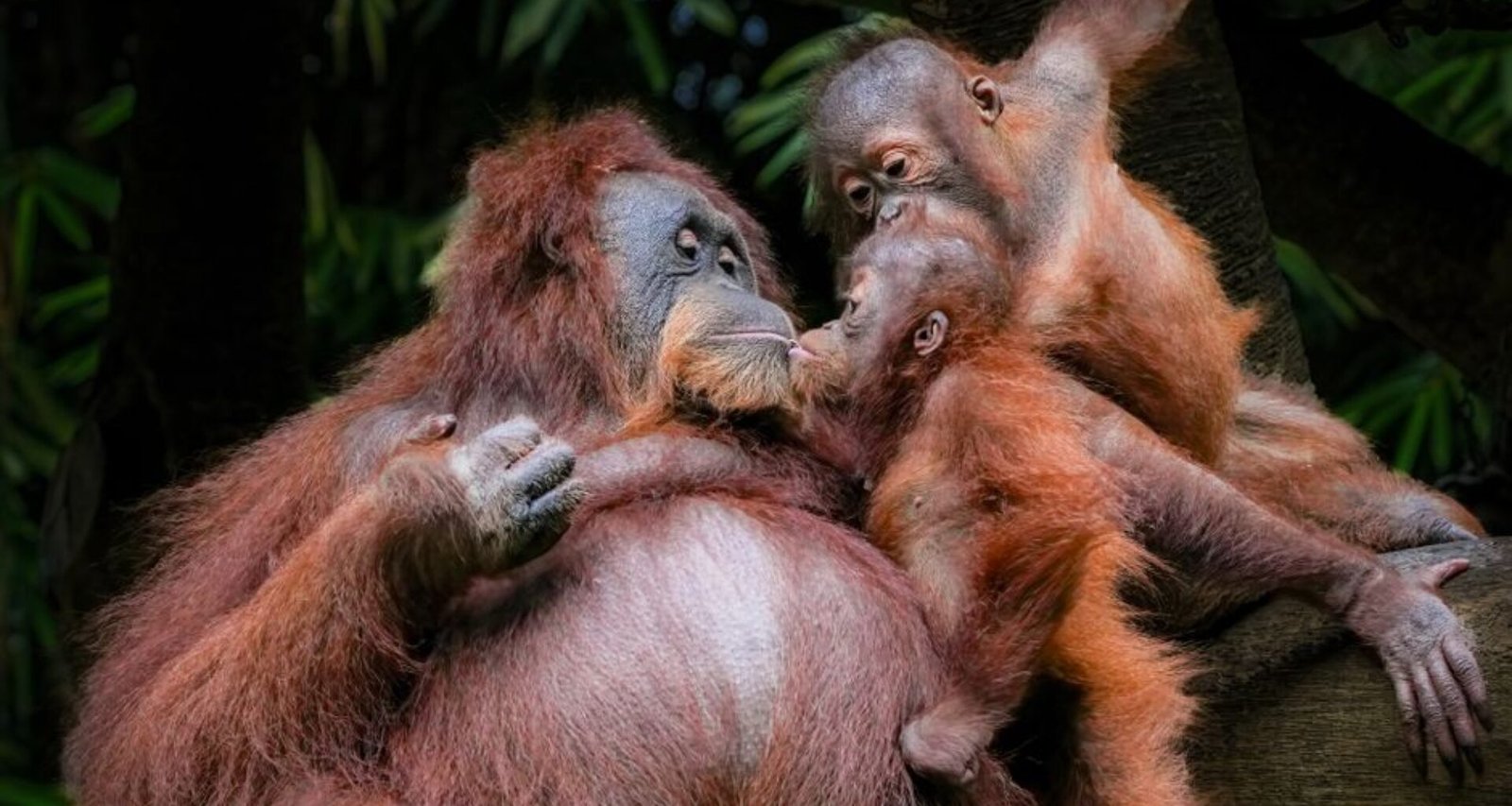
On Wednesday, conservationists marked World Orangutan Day with field reports from Sumatra, Borneo, and Tapanuli, where all three orangutan species continue to face critical threats. The IUCN still lists the Sumatran (Pongo abelii), Bornean (Pongo pygmaeus), and Tapanuli (Pongo tapanuliensis) orangutans as critically endangered, underscoring a dire conservation emergency in Indonesia and Malaysia.
In Aceh province, local NGOs reported that fewer than 14,000 Sumatran orangutans remain—down from estimates that had driven policy targets set for this summer. The Bornean orangutan population hovers around 57,000, but habitat loss from palm oil expansion continues to outpace reforestation efforts. Tapanuli orangutans, the most imperiled, number fewer than 800 and are confined to a fragmented highland forest in North Sumatra. Despite government pledges to increase protected area coverage by 10% by the end of 2026, on-the-ground enforcement remains inconsistent, with illegal logging and mining reported in Batang Toru just last week.
The Indonesian Ministry of Environment and Forestry’s latest update, released Monday, pointed to new partnerships with international donors and a $12 million allocation for orangutan habitat corridors scheduled for the current fiscal year. However, transparency on spending and impact metrics is limited. Environmental groups including the Orangutan Information Centre have called out the gap between high-profile announcements and actual deforestation rates, citing satellite data showing 1,600 hectares of orangutan forest lost since June.
At a Wednesday panel in Jakarta, WWF Indonesia’s conservation director, Yuniarto Wardoyo, emphasized the urgency of linking local community livelihoods with forest protection. He referenced a pilot agroforestry initiative in Central Kalimantan that has generated $120,000 in sustainable income for villagers this quarter, but warned that “without scalable incentives, orangutan habitats will remain at risk.”
With the UN’s Decade on Ecosystem Restoration approaching its midpoint and SDG 15 (Life on Land) targets under review, Indonesia’s orangutan crisis is a bellwether for broader regional commitments. As heatwaves push more people into the shade of city parks this week, advocates are using World Orangutan Day to remind policymakers that the fate of these great apes is a measurable test of Southeast Asia’s sustainability promises for 2026 and beyond.
Frequently Asked Questions
How many Sumatran orangutans are left in 2026?
Fewer than 14,000 Sumatran orangutans remain as of 2026.
What is the current population of Bornean orangutans?
The Bornean orangutan population is around 57,000.
How many Tapanuli orangutans are left?
Fewer than 800 Tapanuli orangutans remain, confined to fragmented highland forests in North Sumatra.
What are the main threats to orangutans in Indonesia in 2026?
The main threats are ongoing habitat loss due to illegal logging, mining, and palm oil expansion, along with insufficient conservation enforcement.
How much orangutan forest has been lost since June 2026?
Satellite data shows 1,600 hectares of orangutan forest have been lost since June 2026.