UN
UN 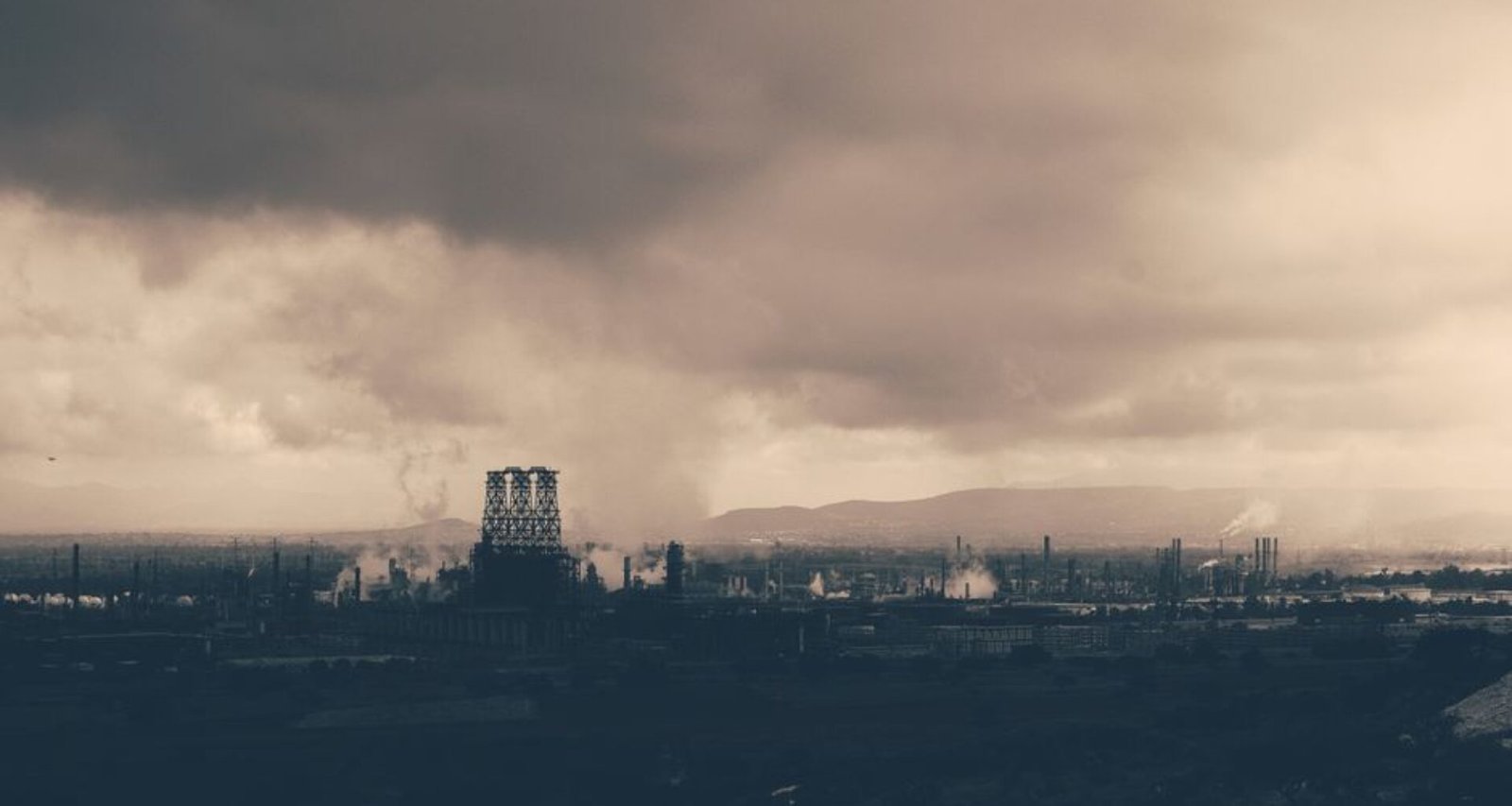
A tense Tuesday morning unfolded at El Paso City Hall as city council members faced a crowd of residents demanding answers about air quality near the Marathon Petroleum refinery. The session was punctuated by emotional testimony from Gilbert Morales, who described losing his wife to lung cancer in June. Morales, who lives adjacent to the refinery, highlighted ongoing fears about the health risks associated with industrial emissions in the city’s border neighborhoods.
Marathon’s El Paso facility, among the largest refineries in West Texas, has been under scrutiny following a visible increase in flaring incidents during July’s heatwave. Local environmental monitors reported peak sulfur dioxide concentrations exceeding 75 parts per billion on July 29, according to data from the Texas Commission on Environmental Quality (TCEQ). This figure, while below emergency thresholds, surpasses the World Health Organization’s recommended limits for safe air, raising concerns among community members and advocacy groups.
City officials have requested a full incident report from Marathon Petroleum by the end of August 2026, pressing for details on both the causes of recent emissions spikes and the company’s plans for future mitigation. Marathon spokesperson Elena Herrera stated that “all emissions remain within permitted levels” and cited ongoing investments in emissions control technology. However, residents and local NGOs, including the Border Environment Network, argue that regulatory compliance does not equate to safety, especially for vulnerable populations.
The El Paso Council is weighing a proposal to install real-time air quality sensors in neighborhoods closest to the refinery and to publish results weekly. If passed, the initiative would launch before the end of summer, potentially setting a precedent for industrial oversight in the region. Councilmember Maria Ortega emphasized on Tuesday that “transparent, actionable data is the only path to rebuilding public trust.”
With temperatures forecast to remain above 38°C through late August, concerns persist over compounded health impacts for residents lacking access to air conditioning or adequate healthcare. Community health clinics have reported a 12% uptick in respiratory complaints since the start of summer. The council has scheduled a follow-up session on September 2, 2026, to review Marathon’s response and discuss further regulatory steps.
Frequently Asked Questions
Why is the El Paso City Council pressing Marathon Petroleum about refinery emissions?
The El Paso City Council is demanding more transparency and action from Marathon Petroleum after residents raised health concerns linked to recent spikes in air pollution near the refinery.
What air quality issue occurred at the Marathon Petroleum refinery in El Paso?
On July 29, sulfur dioxide levels at the refinery exceeded 75 parts per billion, surpassing World Health Organization safety limits.
What health impacts have been reported near the Marathon refinery in El Paso?
Community health clinics have reported a 12% increase in respiratory complaints since the start of summer among residents living near the refinery.
What steps is the El Paso City Council considering to address refinery emissions?
The council is considering installing real-time air quality sensors in neighborhoods near the refinery and publishing the results weekly.
When is Marathon Petroleum expected to provide a full incident report to the city?
City officials have requested that Marathon Petroleum submit a full incident report by the end of August 2026.