


 UN
UN 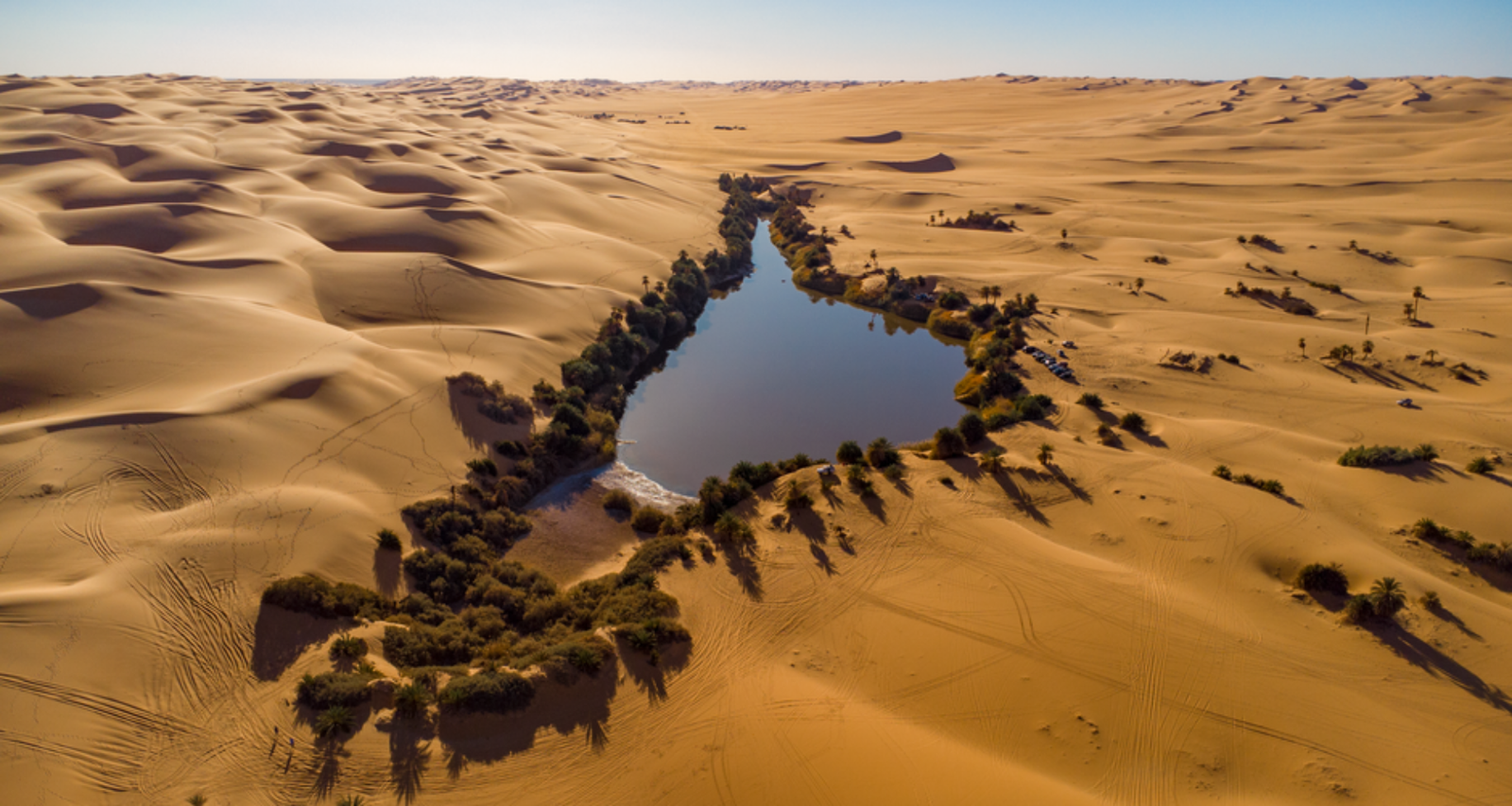
On Wednesday morning, conservation teams gathered near Egypt’s Bahariya Oasis, where the desert heat reached 41°C by midday, to review new management protocols for the Western Desert Protected Area. Long perceived by Cairo-based policymakers as empty wastelands or mere backdrops for archaeological tourism, Egypt’s deserts are now at the center of a heated debate about the role of local ecological knowledge in meeting SDG 15 targets by 2026.
At the heart of the discussion is the Ministry of Environment’s recent shift: for the first time, Bedouin rangers with generational knowledge of desert microclimates and species have been formally included in restoration planning. The move comes after a June report showed that externally designed conservation interventions in the Farafra region led to a 12% decline in native gazelle sightings over the past 18 months. The Environment Minister, Dr. Yasmine Fouad, cited this data to argue that technical solutions alone cannot address the deserts’ fragility.
Despite these policy changes, skepticism remains among NGOs like Nature Egypt, who point out that only 8% of conservation funding in the 2026-2027 budget is earmarked for community-led monitoring or training. On Monday, Nature Egypt’s regional director, Salma El-Shafei, called for a minimum 25% allocation, warning that “token participation risks perpetuating the same top-down failures.”
Meanwhile, the UNDP’s Cairo office is piloting a new data-sharing platform in Matrouh, aimed at integrating satellite tracking with oral histories from desert dwellers. Early results—due later this summer—will be watched closely by policymakers seeking evidence that blending scientific and local expertise can improve land degradation outcomes ahead of Egypt’s next SDG progress review in October 2026.
For now, as field workers trek across the white dunes and sandstone outcrops, the question remains: will the summer of 2026 mark a turning point in how Egypt values its desert stewards, or just another season of ambitious announcements?
Frequently Asked Questions
What recent policy shift has Egypt made in desert conservation?
Egypt has begun formally including Bedouin rangers with local ecological knowledge in Western Desert restoration planning for the first time.
What evidence prompted Egypt to change its desert conservation approach?
A June report showed a 12% decline in native gazelle sightings in Farafra after 18 months of externally designed interventions.
How much of Egypt’s 2026-2027 conservation budget is allocated to community-led efforts?
Only 8% of the 2026-2027 conservation budget is allocated to community-led monitoring or training.
What is the UNDP piloting in Egypt’s Matrouh region related to conservation?
The UNDP is piloting a data-sharing platform in Matrouh to integrate satellite tracking with local oral histories, with results expected later this summer.
When is Egypt’s next SDG 15 progress review scheduled?
Egypt’s next SDG 15 progress review is scheduled for October 2026.