UN
UN 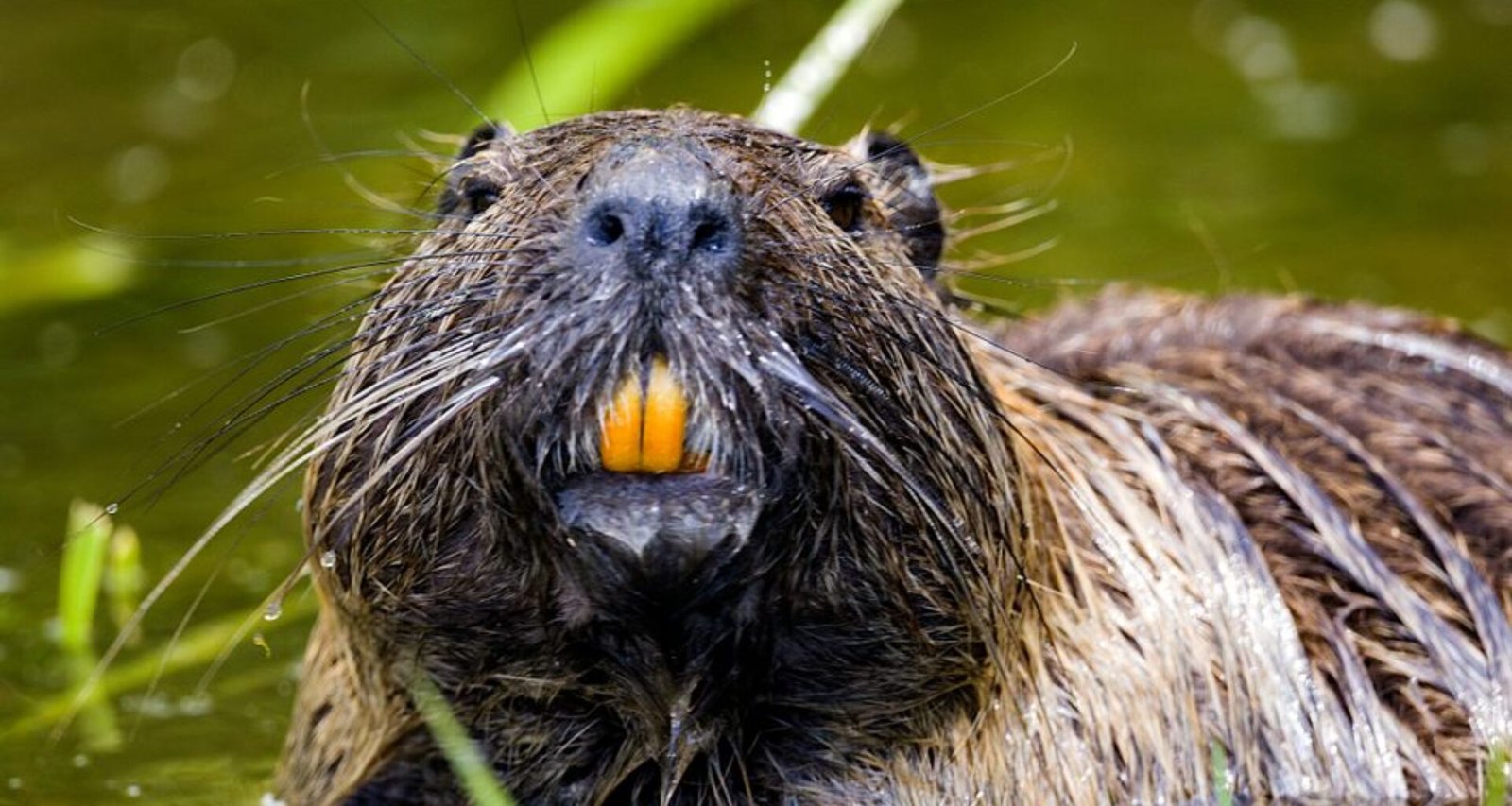
On Monday morning, the banks of the North Fork Toutle River in Washington state offered a rare sight: families of beavers busily reinforcing their dams, a living testament to decades of ecological recovery. These industrious rodents have played a pivotal role in restoring the land devastated by the 1980 eruption of Mount St. Helens, transforming sediment-choked plains into thriving wetlands. Yet, this summer, conservationists warn that the beavers’ habitat is once again at risk.
The Smith family, long-time residents of the region, recall referring to the rear portion of their property as ‘the wasteland’—a direct result of volcanic debris and subsequent flooding. Restoration efforts gained momentum over the past two decades, with beavers reintroduced in collaboration with local NGOs and the Washington Department of Fish and Wildlife. By 2026, more than 25 hectares of formerly barren land have been converted into biodiverse wetlands, supporting over 40 bird and amphibian species. This transformation has also improved water quality downstream, aligning with regional SDG 15 targets.
However, the beavers’ success has created new challenges. The U.S. Army Corps of Engineers’ sediment retention dam, initially constructed to protect infrastructure from floodwaters, is now impeding the natural flow of the river and threatening the stability of the new wetlands. In April 2026, the Corps announced plans to increase sediment flushing, citing safety concerns. Environmental groups, including the Lower Columbia Estuary Partnership, argue that accelerated sediment movement could undermine years of habitat restoration.
Local stakeholders are calling for a pause on engineering interventions until comprehensive impact assessments are completed. Dr. Marisol Vega, a restoration ecologist based in Kelso, notes that ‘the beavers have done what millions in public funding could not—they’ve brought life back to the river. Any new action must be measured against this progress.’ A decision on sediment management is expected later this month, with a public hearing scheduled for July 29, 2026.
For now, the beavers remain emblematic of nature-based solutions to post-disaster recovery, but their continued presence in the Toutle River basin hinges on balancing flood control with ecological resilience.
Frequently Asked Questions
How have beavers contributed to the recovery of the North Fork Toutle River after the Mount St. Helens eruption?
Beavers have converted over 25 hectares of barren land into wetlands, supporting more than 40 bird and amphibian species and improving water quality downstream.
What threat do the beavers and their wetlands currently face in Washington’s Toutle River?
The U.S. Army Corps of Engineers plans to increase sediment flushing from their retention dam, which could threaten the stability of the newly restored wetlands.
Who was involved in the restoration efforts of the Toutle River wetlands?
Restoration was a collaboration between local NGOs and the Washington Department of Fish and Wildlife, with beavers reintroduced to aid the process.
When is the public hearing on sediment management for the North Fork Toutle River scheduled?
The public hearing on sediment management is scheduled for July 29, 2026.
Why was the sediment retention dam originally built on the North Fork Toutle River?
The dam was constructed by the U.S. Army Corps of Engineers to protect infrastructure from floodwaters after the Mount St. Helens eruption.