




 UN
UN
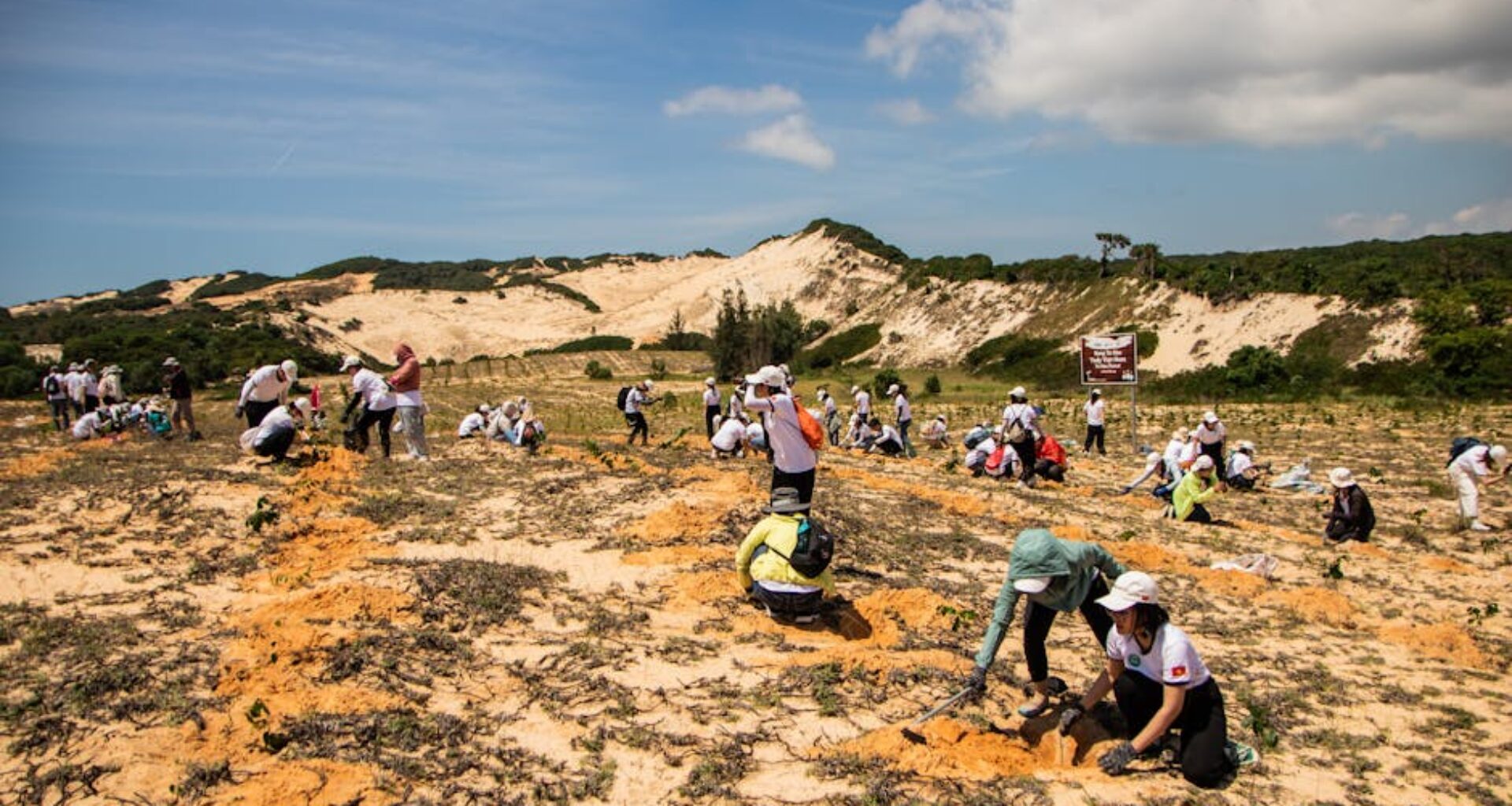
In a significant development for biodiversity conservation in Bangladesh, efforts to protect and propagate the endangered Anisoptera scaphula, locally known as boilam, are gaining traction. Mahbubul Islam Polash, a 34-year-old conservation enthusiast from Sirajganj in northern Bangladesh, recently undertook a journey to Teknaf in Cox’s Bazar, the country’s southeastern coastal district, to plant a sapling of this rare dipterocarp species. This event, which took place on January 23, 2026, symbolizes a growing commitment to restoring native tree populations amid increasing environmental pressures.
The boilam tree is native to the forests of Bangladesh but has faced severe threats due to habitat loss, overexploitation, and climate change impacts. Dipterocarps like boilam are ecologically vital, playing key roles in forest structure, carbon sequestration, and supporting diverse wildlife. However, their populations have dwindled over the decades, prompting conservationists to prioritize their protection under national biodiversity action plans.
The planting effort in Teknaf is part of a broader initiative involving local communities, environmental NGOs, and government agencies aiming to rehabilitate degraded forest lands along Bangladesh’s vulnerable coastline. Such reforestation projects align closely with Sustainable Development Goal 15, which emphasizes the protection, restoration, and sustainable management of terrestrial ecosystems. By restoring endangered tree species, these programs also contribute to climate resilience and sustainable livelihoods for local populations dependent on forest resources.
Experts highlight that community involvement, as demonstrated by individuals like Polash, is crucial for the success of conservation programs. Engaging local stakeholders ensures better care for newly planted saplings and fosters environmental stewardship. Moreover, the choice of Teknaf—a biodiversity hotspot threatened by deforestation and saltwater intrusion—underscores the urgency of preserving native species in fragile ecosystems.
While challenges remain, including securing long-term funding and mitigating ongoing environmental threats, the recent planting of boilam saplings provides a hopeful example of how targeted conservation actions can revive endangered species in Bangladesh. Continued efforts are essential to safeguard these natural assets, contributing to global biodiversity goals and reinforcing ecosystem services vital to human well-being.