UN
UN 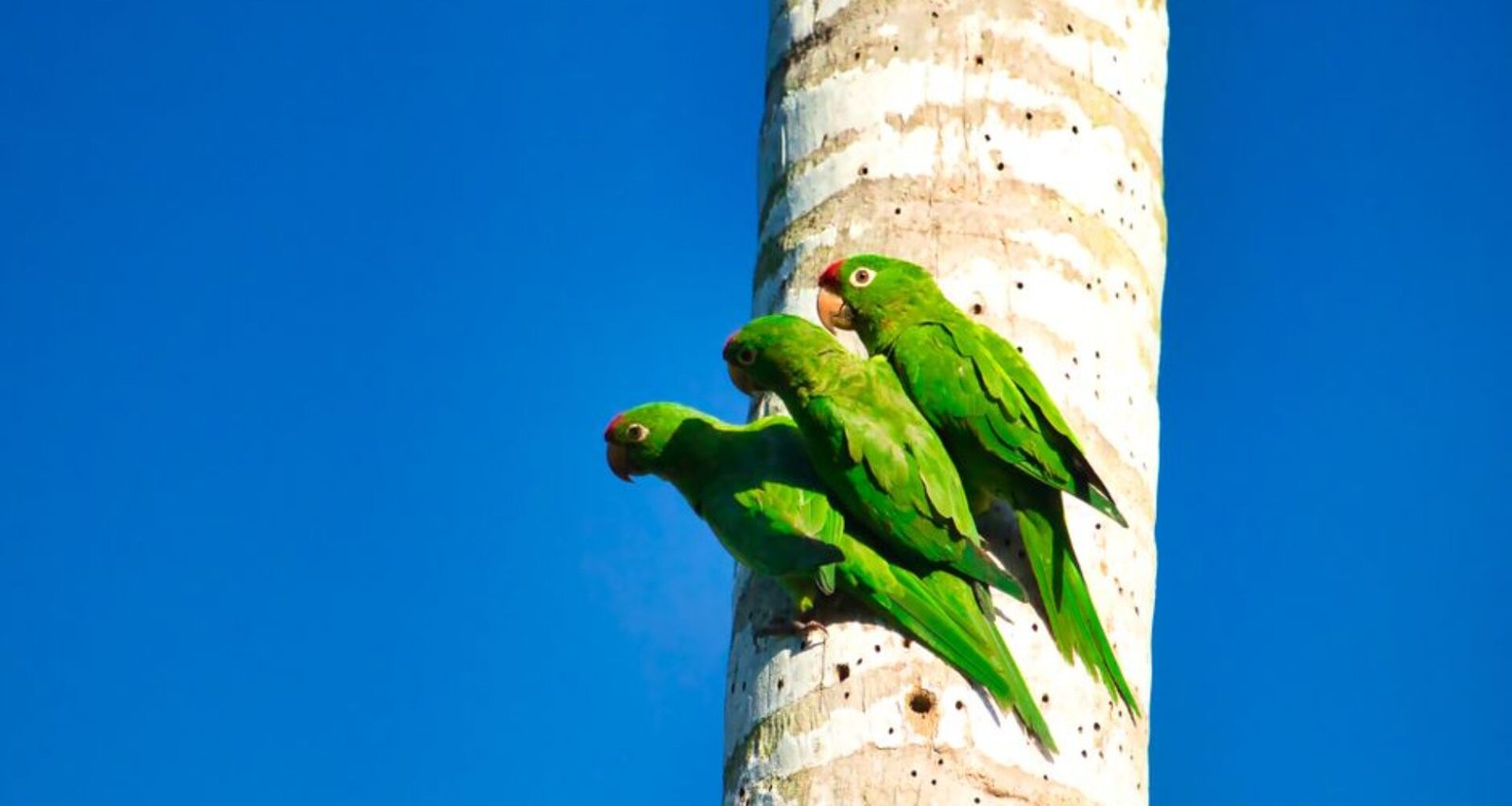
On a humid Saturday morning in Costa Rica’s Guanacaste province, researchers from the University of Costa Rica tuned their recording equipment to the dense canopy, capturing the synchronized ‘warble duets’ of yellow-naped amazons. This critically endangered parrot species, whose population across Nicaragua and Costa Rica has dropped by over 80% in the last decade, is gaining renewed scientific attention this summer due to its surprisingly complex vocal exchanges.
A new study, published this week by a multidisciplinary team working with local NGOs, deployed cutting-edge linguistic software—originally designed for human speech analysis—to decode these duets. Unlike simple bird calls, the yellow-naped amazons engage in what researchers describe as ‘sentence-like sequences,’ coordinated between two birds to defend territory. The software revealed consistent grammatical patterns and responsive cues, suggesting a communication system previously undocumented in wild parrots.
With illegal wildlife trade and habitat fragmentation pushing the species closer to extinction, conservationists see these findings as more than a curiosity. ‘Understanding the sophistication of their communication can help us design better monitoring protocols and potentially facilitate community-based protection efforts,’ said Dr. Mariana Vargas, ornithologist with Fundación Naturaleza Viva, during a field briefing on Friday. She highlighted that the duets can act as a non-invasive indicator of active breeding pairs, essential for tracking population health as regional governments finalize their 2027 conservation targets this month.
However, some policy experts caution against overinterpreting the results. While the research underscores the ecological importance of mature forest corridors, it does not address the urgent economic pressures driving local poaching. ‘It’s a promising tool, but until we see funding for real enforcement and livelihood alternatives, parrots’ voices alone won’t secure their future,’ noted Carlos Méndez, policy coordinator for the Central American Environmental Coalition, in a statement to SDG Talking.
As tourist numbers rise along Central America’s Pacific coast this summer, local guides are incorporating the warble duets into eco-tourism walks, hoping to turn global fascination into tangible support. Whether these scientific advances will translate into sustainable policy remains to be seen by the end of this year’s dry season.
Frequently Asked Questions
What are ‘warble duets’ in yellow-naped amazons?
‘Warble duets’ are synchronized, sentence-like vocal exchanges between pairs of yellow-naped amazons, used to defend territory and communicate.
How much have yellow-naped amazon populations declined in Nicaragua and Costa Rica?
Yellow-naped amazon populations in Nicaragua and Costa Rica have declined by over 80% in the last decade.
How did researchers study the parrots’ vocalizations?
Researchers used human speech analysis software to decode the coordinated vocal patterns between parrot pairs.
How can the study of parrot duets help conservation efforts?
The findings can help track breeding pairs non-invasively and inform conservation targets for monitoring population health.
What challenges remain for yellow-naped amazon conservation despite scientific advances?
Major challenges include illegal poaching, habitat fragmentation, and a lack of funding and enforcement for conservation measures.