




 UN
UN 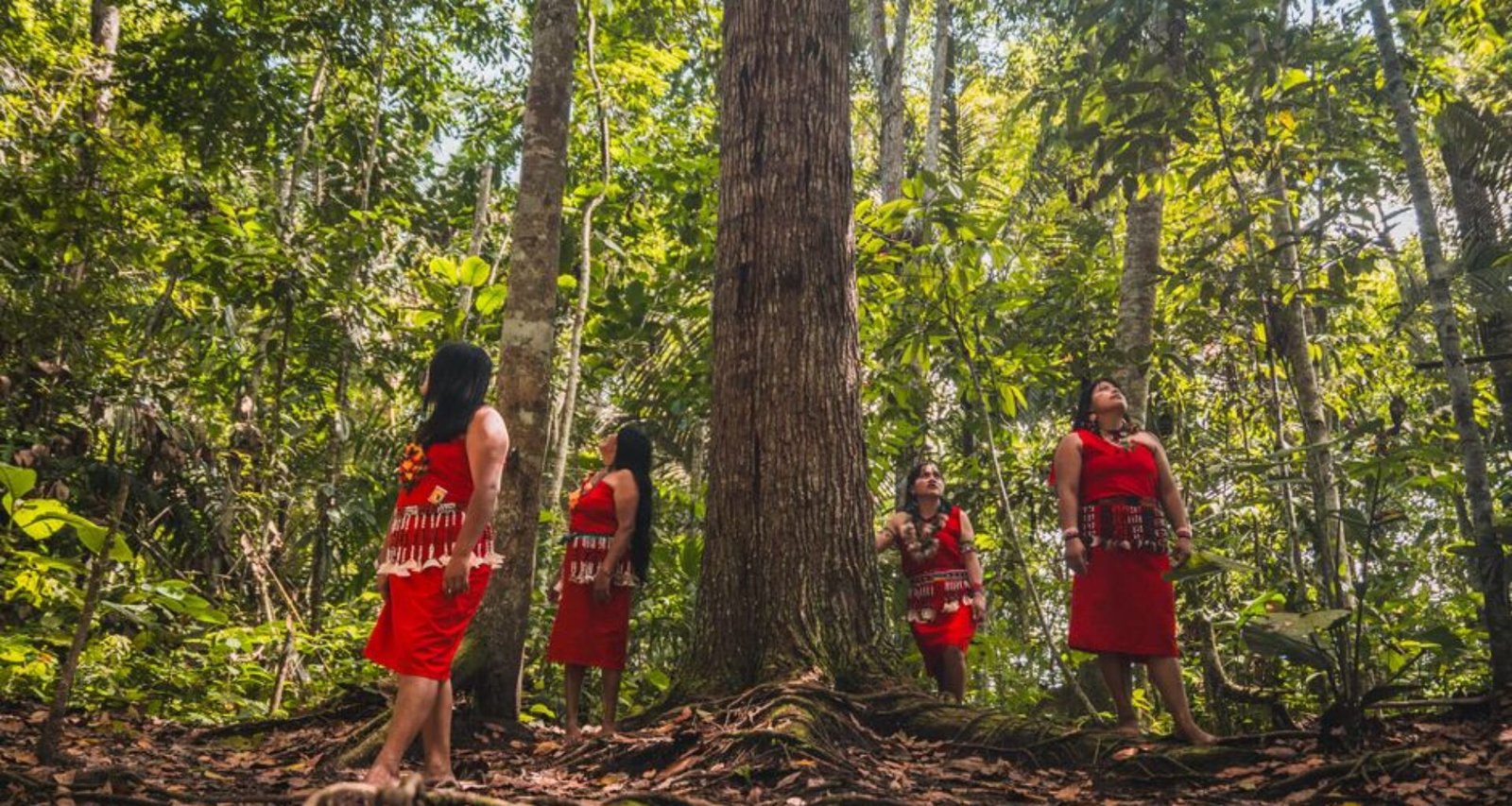
On Tuesday morning in Leticia, the capital of Colombia’s Amazonas department, a group of women leaders gathered at the riverfront to discuss the summer’s spike in illegal mining activity. Colombia remains one of the world’s deadliest countries for environmental defenders, with 36 land and water protectors killed so far in 2026, according to data from Global Witness. Despite the risks, women are increasingly at the forefront of community efforts to safeguard forests and ancestral territories.
Organizations such as Asociación de Mujeres Indígenas del Amazonas (AMIA) are reviving traditional stewardship practices and reinforcing local governance. Their approach blends satellite monitoring of forest loss with cultural rituals that reaffirm indigenous land rights. This season, AMIA reported dismantling two unauthorized gold extraction sites along the Putumayo River, a move achieved through coordinated patrols and negotiations with local authorities.
Coca trafficking remains a persistent threat, as traffickers often use remote river routes to evade detection. In June 2026, women leaders from the Tikuna and Huitoto communities intervened when a group of armed traffickers attempted to establish a base near Araracuara. Their early warning network, supported by the NGO Gaia Amazonas, enabled a rapid response by regional police—preventing further encroachment.
While Colombia’s national government has pledged to reduce deforestation in the Amazon by 50% by the end of 2026, on-the-ground progress relies heavily on these grassroots women’s networks. Critics argue that without direct financial support and legal recognition, such pledges risk becoming symbolic rather than catalytic. As the dry season intensifies and international attention turns to COP29 in November, the effectiveness of Colombia’s commitments will be measured against the lived realities of its women defenders.
Frequently Asked Questions
How many environmental defenders were killed in Colombia in 2026?
36 environmental defenders were killed in Colombia in 2026, according to Global Witness.
What role are women playing in resisting illegal mining and deforestation in the Colombian Amazon?
Women leaders are at the forefront of grassroots efforts, organizing patrols, reviving traditional stewardship, and intervening directly to stop illegal mining and trafficking.
Which organizations are supporting women’s networks in the Colombian Amazon?
Organizations like Asociación de Mujeres Indígenas del Amazonas (AMIA) and NGOs such as Gaia Amazonas are supporting women’s networks.
What recent actions have women leaders taken against illegal activities in the Amazon?
This season, women dismantled two illegal gold mining sites along the Putumayo River and stopped armed traffickers near Araracuara in June 2026.
What is Colombia’s government pledge regarding Amazon deforestation for 2026?
Colombia’s government has pledged to reduce Amazon deforestation by 50% by the end of 2026.