

 UN
UN 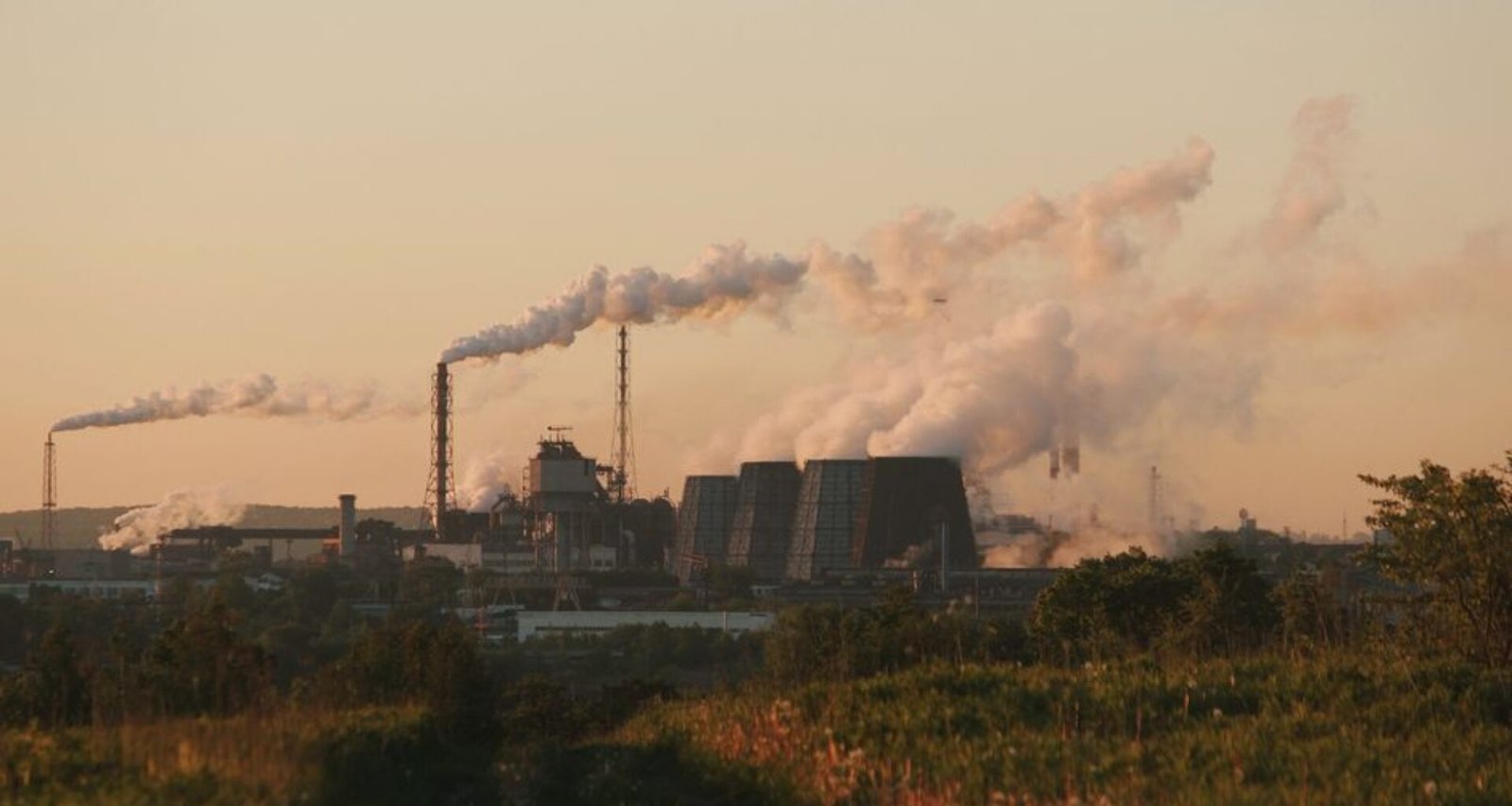
Negotiations over the future of fossil fuel use intensified this week in Bonn, where European Union countries and a bloc of small island developing states (SIDS) pressed for a concrete, UN-backed roadmap to accelerate global fossil fuel phase-out. Diplomats from Germany, Malta, Fiji, and Antigua and Barbuda spoke openly on Thursday about their expectations: that the plan—expected to be unveiled at COP29 in Baku later this year—should be fully integrated into the official UNFCCC negotiation process.
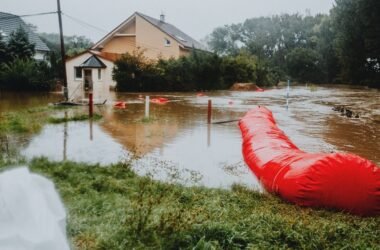
Their push comes as heatwaves sweep southern Europe and the Caribbean this weekend, amplifying calls from SIDS for urgent emissions cuts to safeguard lives and livelihoods. Island state delegates highlighted that, without a clear international timeline for fossil fuel reduction, their survival is at risk, referencing recent storm damage in St. Lucia and rising sea levels documented this summer in Tuvalu.
However, Russia’s delegation reiterated its opposition to embedding a fossil fuel phase-out roadmap within the UN climate framework. Moscow argued during Friday’s closed-door session that such a provision would infringe on national energy sovereignty and unfairly penalize fossil fuel exporters. This stance has drawn criticism from Portugal’s climate envoy, who told SDG Talking that “negotiations cannot be held hostage by a single country’s interests when global temperatures are breaking records.”
The draft roadmap under discussion includes a proposed 50% global reduction in unabated fossil fuel use by 2040, with interim milestones in 2030 and 2035. Critics from civil society, including the European Climate Foundation, voiced concern that without clear UN anchoring, the roadmap risks becoming another voluntary pledge lacking enforcement and transparency. The debate is set to continue in the coming weeks, with a revised draft expected before July.
The outcome of these negotiations is likely to shape the tone at COP29, and will influence national policy updates due in early autumn 2026. As summer temperatures bring climate risks into sharper relief, the political divisions over how—and how quickly—to phase out fossil fuels remain at the heart of the global climate agenda.
Frequently Asked Questions
What is the proposed fossil fuel phase-out roadmap discussed at the Bonn climate talks?
The roadmap aims for a 50% global reduction in unabated fossil fuel use by 2040, with interim milestones in 2030 and 2035.
Why is Russia opposing the fossil fuel phase-out roadmap at the UN climate talks?
Russia argues that embedding the phase-out roadmap in the UNFCCC process threatens national energy sovereignty and unfairly penalizes fossil fuel exporters.
Which countries are pushing for the UN-backed fossil fuel phase-out roadmap?
EU countries and small island developing states such as Fiji, Antigua and Barbuda, and Tuvalu are advocating for the roadmap.
What are the main concerns of small island nations regarding fossil fuel use?
Island nations stress urgent action due to climate impacts like heatwaves, rising sea levels, and recent storm damage, stating their survival is at risk without a clear international timeline for reduction.
When is the revised draft of the fossil fuel phase-out roadmap expected, and why is it important?
A revised draft is expected before July, and its outcome will influence national policy updates due in early autumn 2026 and shape the tone at COP29.