UN
UN 
At dawn this Thursday, meteorologists at the Barbados Meteorological Services issued a tropical storm warning for the Windward Islands, as the Atlantic’s third major system of summer 2026 churns westward with sustained winds exceeding 70 km/h. With schools in Bridgetown already shuttered and sandbag lines forming along Bay Street, emergency protocols reflect the region’s growing anxiety over increasingly frequent and unpredictable weather events. Local government officials have activated shelters and coordinated with the Caribbean Disaster Emergency Management Agency (CDEMA), but resources remain stretched thin after back-to-back weather events earlier this season.
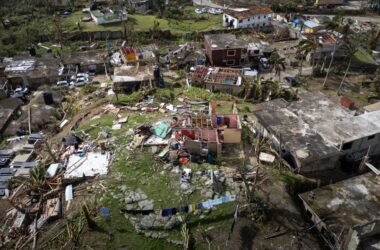
The storm’s trajectory is of acute concern to the insurance and reinsurance sector, with Munich Re’s Caribbean office reporting a 17% uptick in claims assessments compared to this time last year. Industry analysts point to the region’s underinsured informal housing stock, particularly in Saint Lucia’s Castries South neighborhood, where a drive through the narrow lanes this morning revealed tarpaulins and makeshift barriers as the primary line of defense. This persistent vulnerability underscores the need for accelerated investment in resilient infrastructure—an area where SDG 13 (Climate Action) targets remain unmet across much of the Eastern Caribbean.
The United Nations Environment Programme (UNEP) has highlighted the Caribbean as a hotspot for climate-related displacement, noting in a June 2026 brief that over 8,000 residents have been temporarily relocated so far this hurricane season. Local NGOs, including the Dominica-based Climate Resilience Agency, have called for international funding mechanisms to be disbursed more rapidly, citing delays in the Green Climate Fund’s adaptation grants. A senior regional official, speaking on condition of anonymity, described the funding pipeline as ‘bureaucratic sludge’ that fails to match the immediacy of summer storm threats.
In Kingston’s downtown market district, shopkeepers spent Wednesday night boarding up windows and moving inventory to higher shelves, a scene repeated in coastal neighborhoods from Port of Spain to St. George’s. The Jamaica Chamber of Commerce estimates that weather-related business interruptions have shaved 0.4% off GDP so far this quarter, with micro-enterprises suffering the steepest losses. As a result, private sector groups are urging regional governments to integrate business continuity support into their national disaster risk reduction strategies.
Historically, the Caribbean’s storm preparedness strategies have centered on reactive measures, such as evacuation drills and public awareness campaigns. However, the intensification and unpredictability of tropical storms in 2026 are forcing a pivot toward proactive adaptation policies. The Organization of Eastern Caribbean States (OECS) is currently piloting a new regional climate data platform designed to enhance early warning systems and inform municipal planning. A project manager involved with the rollout noted, ‘We’re seeing a shift from coping to anticipating, but implementation is uneven.’
International observers are monitoring to what extent these adaptation efforts translate into measurable reductions in vulnerability. The World Bank’s June 2026 report on climate resilience in small island developing states found that only 22% of surveyed communities had completed the recommended upgrades to drainage and public shelter infrastructure. While governments have issued high-profile pledges over the past two years, independent audits point to slow progress on the ground, especially in rural and peri-urban districts where technical capacity is limited.
The storm’s approach has also reignited scrutiny over greenwashing in corporate disaster response. Several multinational hospitality firms with Caribbean resorts have publicized donations and volunteer initiatives, but local advocacy groups assert these efforts are largely symbolic. In one case, a widely shared social media post from a beachfront hotel chain featured staff distributing bottled water, but community leaders in Saint Vincent called the gesture ‘a photo opportunity, not a solution.’ Such critiques echo a wider demand for transparency and accountability in the private sector’s climate adaptation commitments.
Looking ahead to the remainder of the 2026 hurricane season, meteorologists warn that ocean temperatures remain unusually high, increasing the risk of further severe storms through September. Regional policymakers, facing both public pressure and donor scrutiny, are under mounting obligation to shift from reactive crisis management to systemic resilience-building. In the coming weeks, the effectiveness of adaptation investments—both financial and structural—will be tested on the ground, as neighborhoods from Bridgetown to Basseterre brace for what is shaping up to be a defining summer for climate action in the Caribbean.
Frequently Asked Questions
Which Caribbean islands are under a tropical storm warning for summer 2026?
The Barbados Meteorological Services issued a tropical storm warning for the Windward Islands in summer 2026.
How many Caribbean residents have been displaced by storms so far this hurricane season?
Over 8,000 residents in the Caribbean have been temporarily relocated due to storms so far this hurricane season, according to UNEP.
What percentage of Caribbean communities have completed recommended climate adaptation upgrades?
Only 22% of surveyed Caribbean communities have completed recommended upgrades to drainage and public shelter infrastructure, per a June 2026 World Bank report.
How have recent storms affected Jamaica’s economy?
Weather-related business interruptions have reduced Jamaica’s GDP by 0.4% this quarter, with micro-enterprises most affected.
What challenges are Caribbean cities facing in climate adaptation and funding?
Caribbean cities face challenges including underinsurance, incomplete infrastructure upgrades, and delayed international funding, which leave them vulnerable to increasingly frequent storms.