



 UN
UN 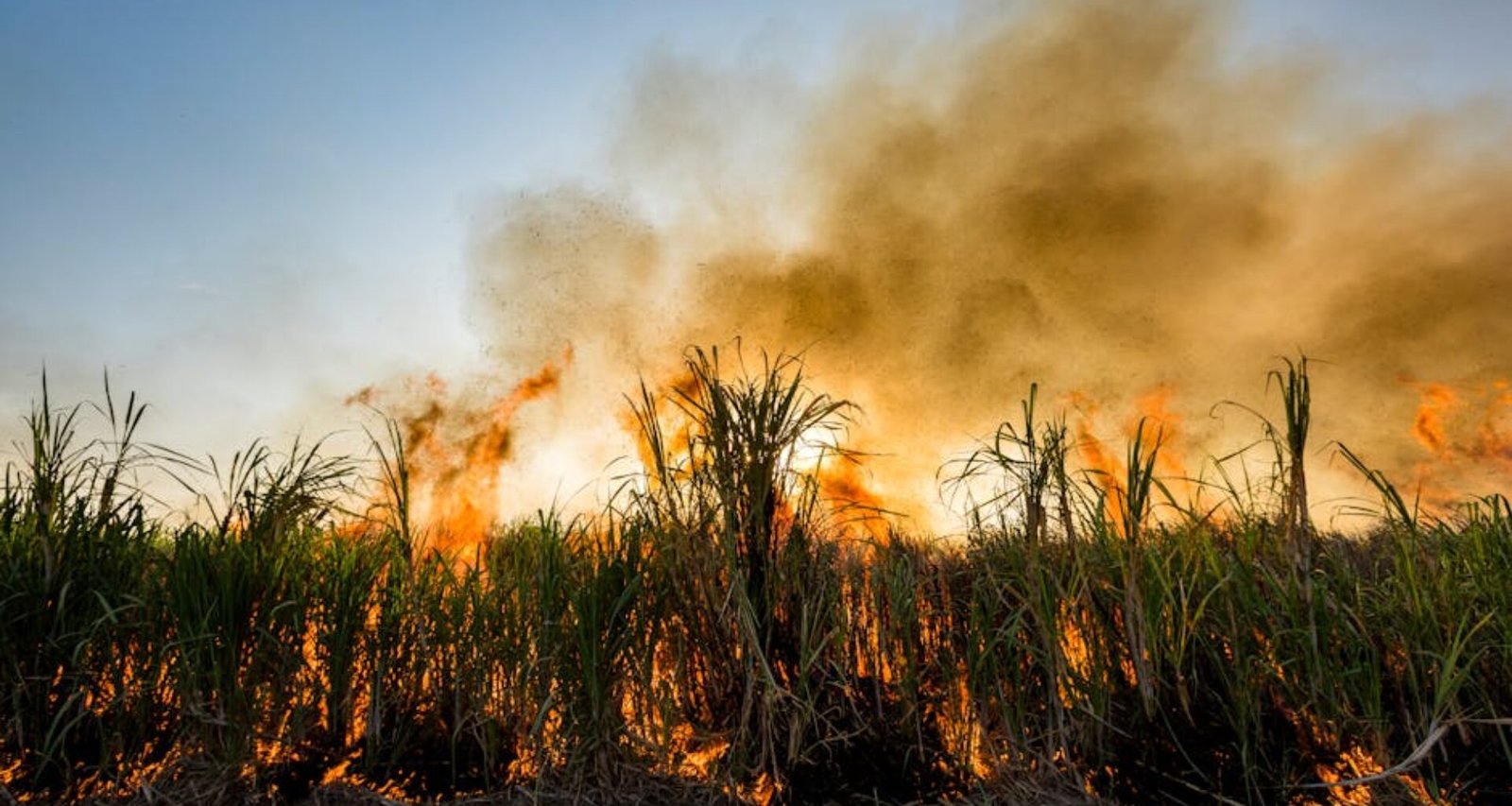
In northeastern Thailand, the annual practice of burning sugarcane plantations is increasingly endangering local wildlife, with leopard cat cubs becoming unintended victims. Nuntita Ruksachat, head veterinarian at the Khon Kaen Wildlife Rescue Center, recently described the rescue of a litter of leopard cat cubs found trapped and severely injured in scorched fields. The cubs, no larger than a human hand, showed signs of severe burns, including patchy fur, blistered skin, and singed whiskers.
These fires, often set to clear fields before harvest, pose a significant threat to the region’s biodiversity. Leopard cats (Prionailurus bengalensis), already vulnerable due to habitat loss, face heightened risks as their dens and hiding places are destroyed. The cubs’ injuries reflect the broader impact of agricultural fires on wildlife, disrupting ecosystems and threatening species survival.
Experts emphasize that while sugarcane farming is vital for local economies, the environmental costs are mounting. Wildlife rescue centers like Khon Kaen are increasingly strained as they care for animals injured by fires and habitat destruction. Dr. Ruksachat advocates for alternative land management practices, including controlled burns with better timing and firebreaks, to reduce harm to wildlife.
This situation underscores the complex balance between economic development and environmental conservation, aligning closely with the United Nations Sustainable Development Goals, particularly SDG 15: Life on Land. Protecting threatened species like the leopard cat requires integrated approaches that consider agricultural productivity alongside biodiversity preservation.
As Thailand moves forward, encouraging sustainable farming practices and expanding wildlife protection measures will be critical. Raising awareness about the unintended consequences of sugarcane field burning can mobilize policymakers, farmers, and communities to adopt solutions that safeguard both livelihoods and native species.