



 UN
UN
Wild animals rely on their ability to move across landscapes for essential activities such as mating, hunting, and seed dispersal, all of which underpin the health and resilience of ecosystems worldwide. However, increasing habitat fragmentation due to urbanization, infrastructure development, and agricultural expansion is severely disrupting these natural migration routes. This challenge threatens biodiversity and the broader ecological processes that sustain life on Earth.
In her book ‘Roam: Wild Animals and the Race to Save Them,’ science journalist Hillary Rosner explores the urgency of protecting and restoring wildlife corridors. Rosner highlights how animals’ movement is integral not only to their survival but also to ecosystem functions like pollination and nutrient cycling. When migration paths are blocked, populations become isolated, leading to genetic bottlenecks and increased vulnerability to environmental changes.
This issue aligns closely with the United Nations Sustainable Development Goals, particularly SDG 15, which focuses on life on land and the preservation of biodiversity. Safeguarding these natural corridors is a critical strategy to halt biodiversity loss and maintain ecosystem services that humans depend on. Conservation efforts worldwide are increasingly prioritizing the creation of connected habitats to allow animals to roam freely, which also supports climate resilience by enabling species to adapt to shifting environments.
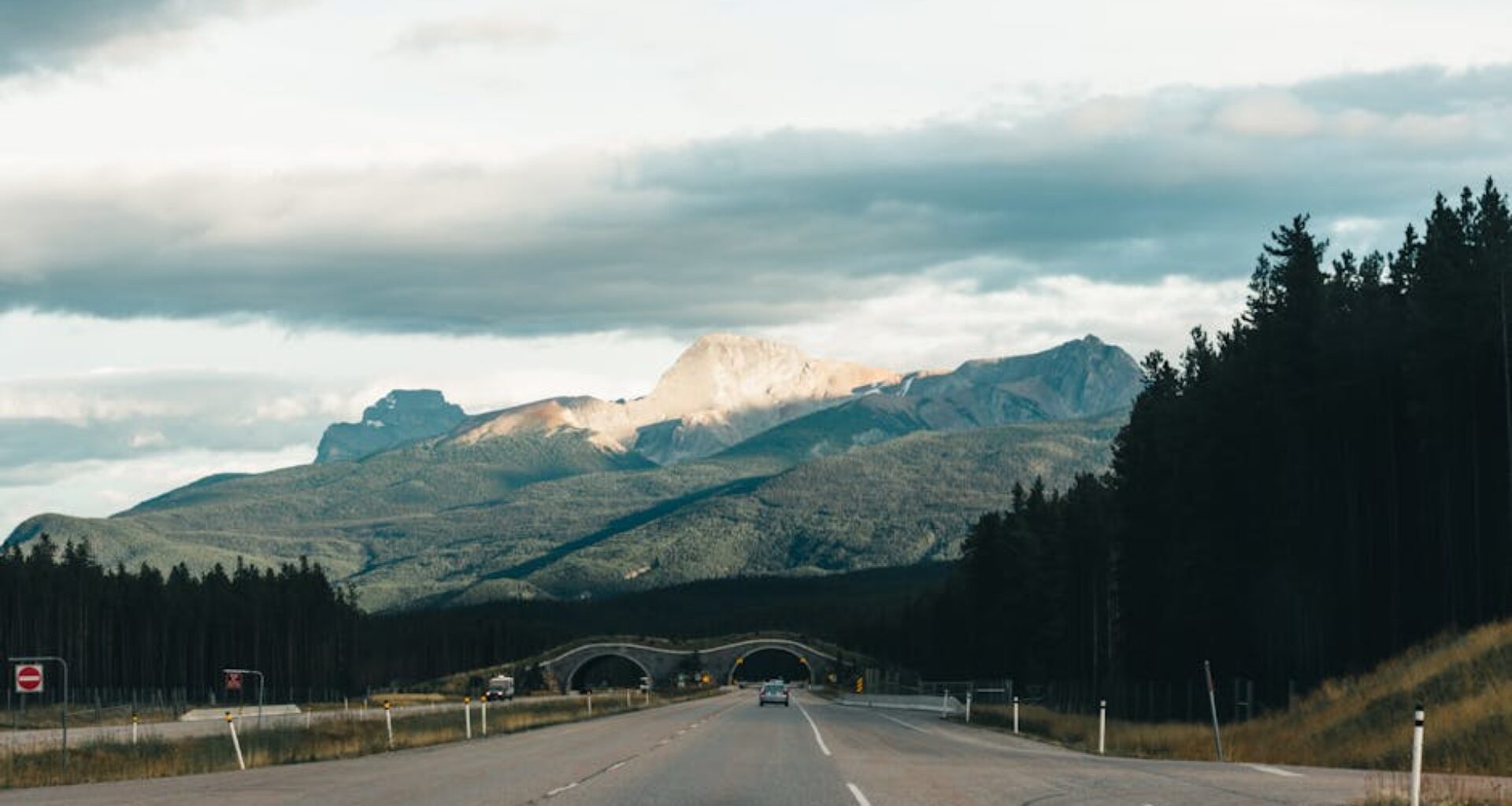
Experts emphasize that addressing this challenge requires integrated policies that balance development with ecological integrity. Innovative solutions include wildlife overpasses, underpasses, and landscape-scale conservation planning. Such measures not only benefit wildlife but also reduce human-wildlife conflicts, contributing to safer communities.
As Earth Day prompts reflection on our relationship with the natural world, Rosner’s work serves as a timely reminder that ensuring room to roam for wild animals is not a luxury but a necessity. The future health of ecosystems—and by extension, human well-being—depends on our commitment to maintaining the connectivity of the natural world.