UN
UN
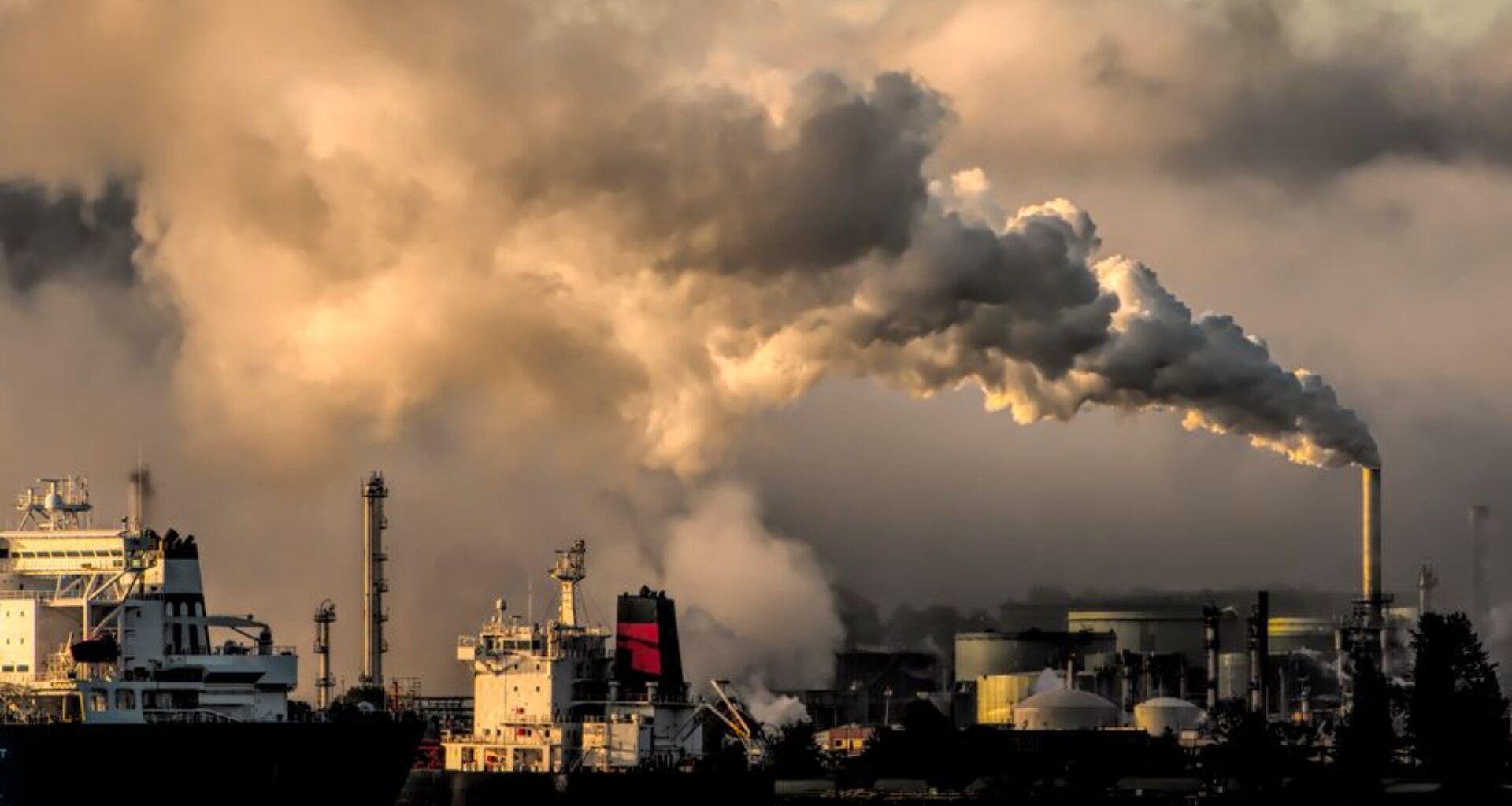

After months of complex negotiations and mounting pressure to address climate impacts, countries have successfully resumed progress towards a unified global framework to reduce emissions from the shipping industry. This renewed momentum comes as the International Maritime Organization (IMO) and its member states work to finalize a robust strategy targeting net-zero greenhouse gas emissions from international shipping by 2050. Shipping currently accounts for nearly 3% of global CO2 emissions, posing a significant challenge for achieving the Paris Agreement goals and the Sustainable Development Goals (SDGs).
The stalled negotiations faced hurdles due to disagreements on timelines, financial mechanisms, and the balance between developed and developing nations’ responsibilities. However, a recent breakthrough was facilitated by collaborative dialogue emphasizing equitable approaches and technological innovation, ensuring that the revised framework reflects both ambition and feasibility. Experts highlight that the shipping sector’s decarbonization is vital for SDG 13 (Climate Action) and SDG 14 (Life Below Water), given the industry’s impact on ocean health.
Key elements of the reinvigorated deal include accelerating the adoption of low- and zero-carbon fuels, enhancing energy efficiency standards for vessels, and establishing a global fund to support developing countries in transitioning to greener shipping technologies. Industry stakeholders and environmental advocates alike have welcomed the renewed commitment, noting that a clear, enforceable plan will drive investments in cleaner maritime infrastructure and foster innovation.
While challenges remain—such as ensuring compliance and managing economic impacts on vulnerable countries—the renewed negotiations demonstrate the global community’s capacity to converge on complex environmental issues. As the shipping sector navigates this critical transformation, the deal’s success will serve as a benchmark for multilateral cooperation in combating climate change and advancing sustainable development worldwide.