UN
UN 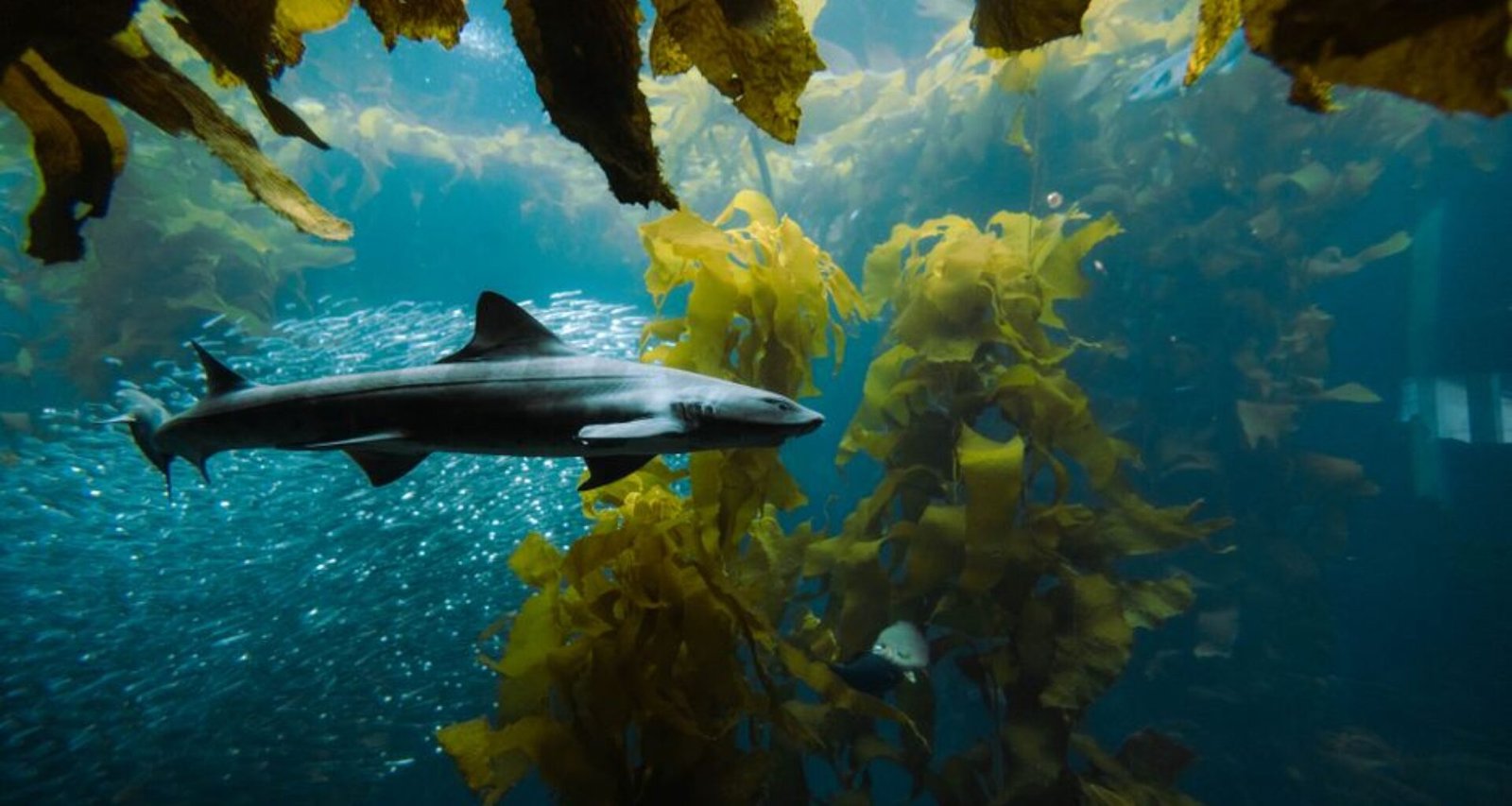
Friday morning in Port Elizabeth, South Africa, researchers from the International Union for Conservation of Nature (IUCN) presented findings that, despite global commitments, most marine protected areas (MPAs) are failing to safeguard critical shark and ray populations. The report, released this week, scrutinizes progress towards the Kunming-Montreal Global Biodiversity Framework’s 30×30 target—setting aside 30% of coastal and marine zones for conservation by 2030. As of August 2026, only 10% of the world’s oceans fall under such protections.
The study, conducted by a consortium of marine scientists across 12 countries, tracked the movements of 134 shark and ray species using satellite tags and fisheries data. They found that over 75% of these species regularly traverse regions outside designated MPAs, including migratory corridors in the Coral Triangle and the mid-Atlantic. In Indonesia’s Raja Ampat, for example, only 22% of known shark habitats overlap with protected zones.
At the heart of the issue is what marine ecologist Dr. Maya Gomez calls ‘paper parks’—areas marked as protected on maps but lacking enforcement or meaningful conservation measures. In the Mediterranean, weekend fishing traffic continues unchecked even within MPAs, undermining species recovery. The data suggest that, without stricter enforcement and targeted expansion, the 30×30 pledge risks becoming another unfulfilled promise rather than a measurable milestone for SDG 14 (Life Below Water).
The United Nations Environment Programme (UNEP) has called for urgent recalibration, urging countries to prioritize ecological connectivity over political boundaries. Later this month, ministers from 40 coastal nations will meet in Lisbon to discuss new bilateral approaches to protect migratory species. With less than four years until the 2030 deadline, advocates warn that simply increasing MPA coverage without strategic placement and robust monitoring will not halt ongoing declines in shark and ray populations.
As heatwaves drive more tourists to coastal waters this summer, the disconnect between visible MPA boundaries and actual species protection is under sharper scrutiny. Scientists and policy leaders agree that the next round of MPA designations must be guided by species data—not just geopolitical convenience—if the 30×30 vision is to deliver real outcomes by 2030.
Frequently Asked Questions
What percentage of the world’s oceans are currently protected by marine protected areas (MPAs)?
As of August 2026, only 10% of the world’s oceans are under MPA protection.
Why are marine protected areas failing to protect sharks and rays?
Over 75% of tracked shark and ray species regularly move outside protected areas, and many MPAs lack enforcement or meaningful conservation measures.
What is the 30×30 ocean conservation target?
The 30×30 target aims to set aside 30% of coastal and marine zones for conservation by 2030.
How much of shark habitat in Indonesia’s Raja Ampat overlaps with protected areas?
Only 22% of known shark habitats in Raja Ampat overlap with MPAs.
What actions are being discussed to improve protection for migratory shark and ray species?
Ministers from 40 coastal nations will meet in Lisbon to discuss new bilateral approaches and strategies for protecting migratory species.