




 UN
UN
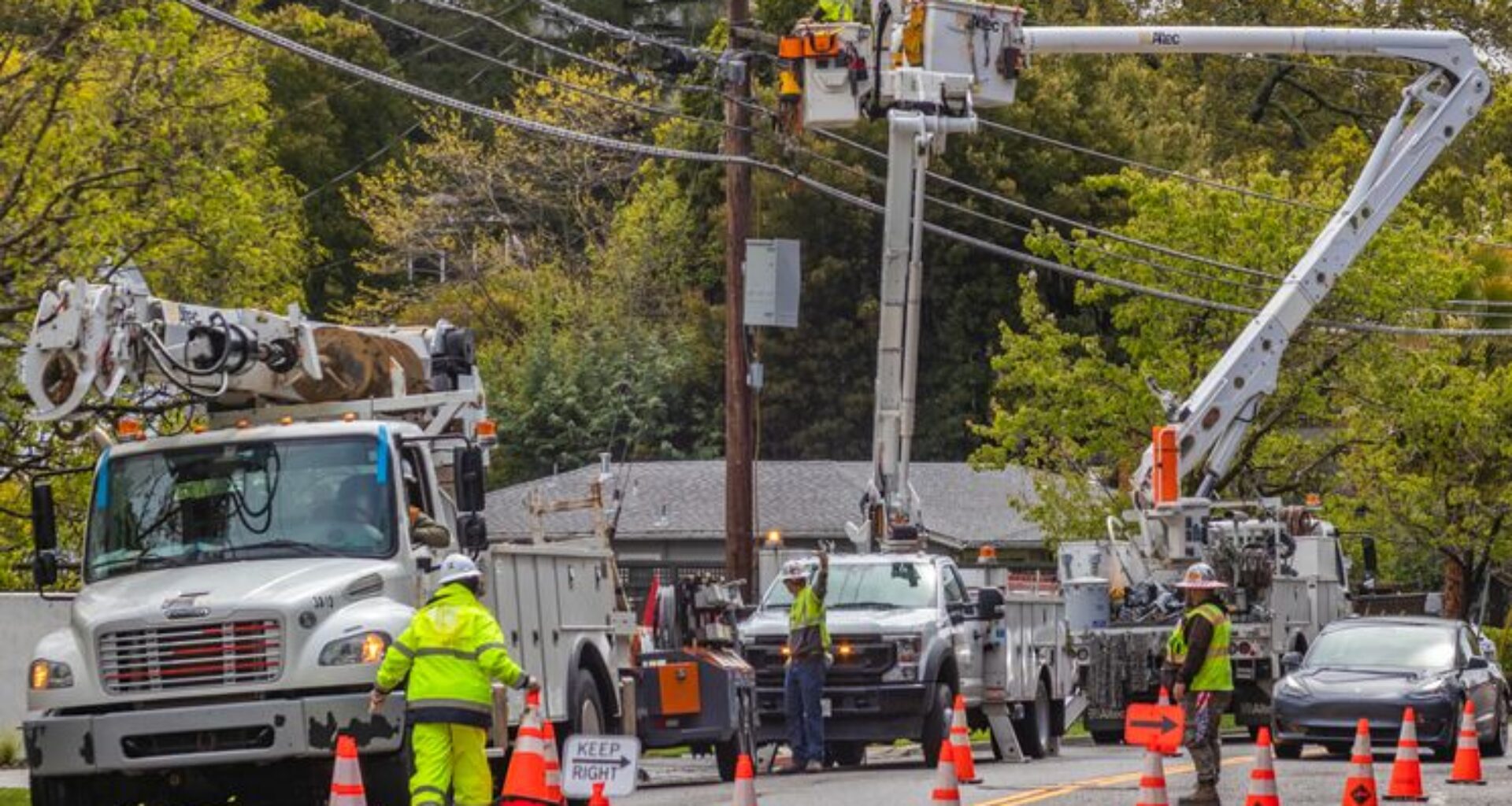

After a four-year pause, PJM Interconnection, the regional grid operator serving 67 million people across 13 states and the District of Columbia, has reopened its interconnection queue for new power generation projects. The announcement last week revealed that 811 new projects seeking to add approximately 220 gigawatts of capacity have applied for grid connection. This move marks a critical moment for U.S. energy infrastructure, particularly in light of accelerating clean energy goals across the region.
However, experts caution that the reopening comes too late to fully support Maryland’s ambitious clean energy agenda. During the queue’s hiatus, delays and backlogs in processing interconnection requests have hindered the timely deployment of renewable energy projects. Maryland’s targets, including achieving 100% clean energy by 2040, risk being compromised due to these systemic challenges within PJM’s interconnection process.
The interconnection queue is a vital step in bringing new generation—especially renewables—online by allowing projects to connect to the power grid. The backlog that developed over the past four years has created a bottleneck, slowing project approvals and increasing uncertainty for developers. This has had a ripple effect, delaying investment and slowing progress toward decarbonization targets not only in Maryland but across the PJM footprint.
Industry analysts and clean energy advocates emphasize that addressing the structural issues within PJM’s interconnection procedures is crucial. Improving transparency, increasing processing capacity, and adopting reforms that prioritize clean energy projects are necessary to align grid infrastructure with the urgent demands of the energy transition. Without such reforms, the damage to Maryland’s clean energy timeline, and by extension regional sustainability goals, may already be irreversible.
As the queue reopens, all eyes will be on PJM to see how swiftly and effectively it can manage the influx of applications. The outcome will influence not only the pace of renewable energy deployment but also broader efforts to meet the United Nations Sustainable Development Goals related to affordable and clean energy (SDG 7) and climate action (SDG 13). Ensuring resilient, responsive grid infrastructure remains a cornerstone for achieving a sustainable energy future in the United States.