


 UN

UN weather and humanitarian officials called for earlier action on El Niño at a Geneva briefing on 21 October 2026. WMO Secretary-General Celeste Saulo warned that the current event could exceed the strength recorded during four decades of monitoring. UN relief chief Tom Fletcher used the phrase “wrecking ball” to describe the humanitarian threat. UN Geneva briefing.
Pacific warming: a forecast, not a recorded peak
The October 2026 briefing reported a forecast of tropical Pacific sea-surface temperatures reaching 3.8°C above average between November 2026 and January 2027. That figure describes an expected anomaly in the El Niño region, rather than a measured increase across the entire Pacific. Source.
WMO’s 3 September 2026 update had already assessed El Niño as established and strengthening, with a near 100% probability of persistence through February 2027. It also reported subsurface temperatures more than 8°C above average in some areas during July and early August 2026; subsurface readings and surface forecasts measure different conditions. WMO update.
Humanitarian exposure and early action
At the 21 October 2026 briefing, Fletcher warned that 50 million people could face greater hunger. He cited an African Development Bank estimate of $10–20 billion in costs to African countries. These were projected risks, not confirmed losses. Officials called for emergency supplies before heavy rains in Somalia, Ethiopia and Kenya, and protection of seeds and livestock in southern Africa. Briefing details.
Why local forecasts matter
A strong El Niño does not produce identical effects everywhere. WMO explains that season, geography and conditions in the Indian and Atlantic Oceans can alter the regional outcome. National weather services provide the locally relevant warnings needed to decide how to prepare. Regional limits and official guidance.
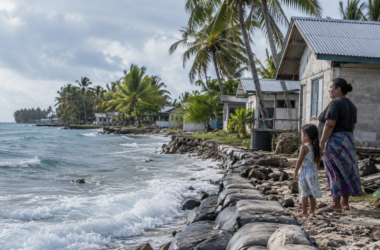
Photo by Robert Boston on Unsplash