


 UN

Global Poverty Reduction Has Stalled Since 2019
According to the World Bank Group’s Poverty, Prosperity, and Planet Report 2026, the number of people living in extreme poverty worldwide has remained essentially unchanged since 2019. In 2026, about 811 million people, or one in ten globally, live on less than $3.00 per day. This stagnation marks a halt in the progress made in previous decades toward reducing extreme poverty.
Concentration of Extreme Poverty and Future Projections
More than half of the world’s extremely poor reside in just nine economies. By 2030, it is projected that 87% of people living in extreme poverty will be in Sub-Saharan Africa or in fragile and conflict-affected situations. Without stronger per capita economic growth, the number of people in extreme poverty is expected to be higher in 2030 than it is today.
Challenges Beyond Income: Employment and Earnings Gaps
The World Bank’s 2026 report estimates that nearly half of the global population—3.7 billion people—live on less than $8.30 per day. Many of these individuals are vulnerable to falling back into poverty due to shocks.
Addressing poverty requires both more and better jobs. The report identifies two key priorities:
- Closing employment gaps: In a scenario assessed in the 2026 report, raising employment rates in poor households to 75% among working-age adults, achievable by closing gender employment gaps, could reduce global extreme poverty by roughly 20%.
- Closing earning gaps: The 2026 report explains that poor workers are often engaged in low-return activities like smallholder farming and have lower education levels. Increasing their education to the average level of those above the extreme poverty line could increase earnings by about 40% and cut extreme poverty nearly in half. Transitioning to wage work or moving out of agriculture could reduce poverty by about 20%.
These priorities differ by country but share the common goal of helping farmers and small businesses earn more, creating better job opportunities, and increasing female workforce participation.
Economic Growth Requirements to Reduce Poverty
To reduce extreme poverty to 3% by 2050, per capita economic growth would need to average around 4% annually—double the rate achieved over the past 25 years. The report stresses that accelerating growth and enabling more and better jobs are essential pathways out of poverty.
Climate Impact and Vulnerability
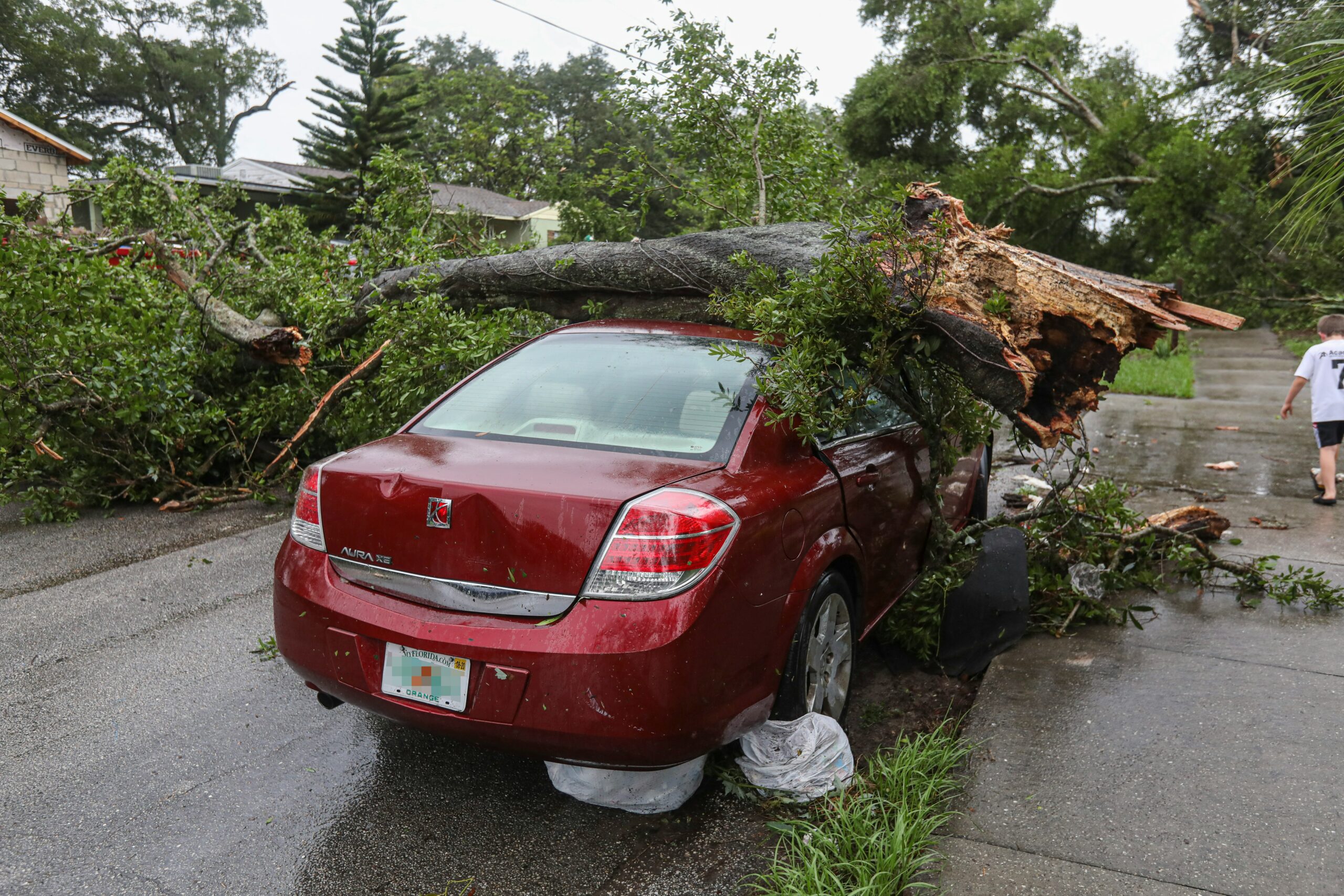
According to the 2026 report, the effort to eradicate extreme poverty is estimated to add less than 5% to global emissions. Notably, the extreme poor contribute the least to global emissions but are the most vulnerable to climate change impacts. Over 4.6 billion people live in areas exposed to major climate-related hazards, with more than a billion in highly vulnerable situations due to lack of social protection or basic infrastructure.
Implications for Policy and Action
The report underscores the urgent need for policies that promote inclusive economic growth, job creation, and education improvements to reduce poverty effectively. It also highlights the importance of addressing inequality and climate vulnerability to ensure sustainable progress.
For more detailed information, see the World Bank Poverty, Prosperity, and Planet Report 2026 and the related World Bank press release.
Photo by Dulana Kodithuwakku on Unsplash