UN
UN
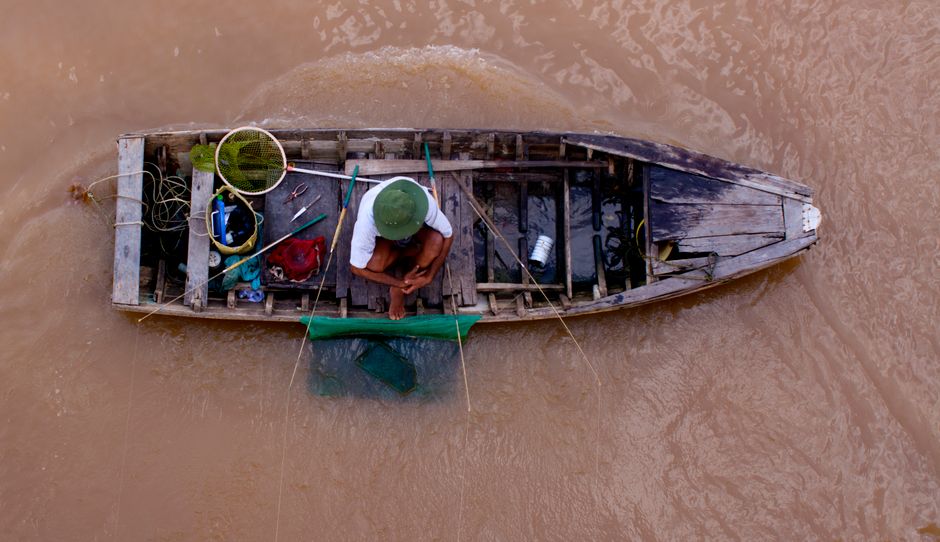
In the fertile Mekong Delta of southern Vietnam, saline intrusion is emerging as a growing threat to agriculture, igniting tensions between local farmers and scientific experts. Khanh Chi, a farmer in Nhuan Phu Tan commune along the Co Chien River distributary, has witnessed firsthand the increasing encroachment of saltwater into lands once protected from such impacts. Her apricot blossom orchard, situated 55 kilometers inland, is now vulnerable to salinity levels that were previously uncommon at this distance from the coast.
According to data from the Vinh Long provincial hydrometeorological observatory, saltwater has penetrated further upstream than in previous decades, exacerbated by climate change-induced sea level rise and altered river flows due to upstream hydropower dams. These factors reduce freshwater discharge during the dry season, allowing seawater to intrude more easily into the delta’s intricate waterways.
Farmers like Chi argue that the immediate on-the-ground realities are not fully captured by scientific models, leading to disagreements over the scale and causes of saline intrusion. Some local voices highlight how traditional farming methods and land-use changes also influence soil salinity. Meanwhile, scientists stress the need for integrated water resource management and adaptive agricultural practices to mitigate long-term risks.
This discord underscores broader challenges in implementing sustainable development solutions in the Mekong Delta, a region home to over 17 million people and a vital rice production hub contributing to global food security. Addressing saline intrusion effectively will require collaboration between stakeholders to balance environmental conservation, economic needs, and climate resilience.
Experts emphasize that improving monitoring systems, investing in salt-tolerant crop varieties, and enhancing community awareness are key steps forward. As the Mekong Delta faces mounting environmental pressures, bridging the gap between scientific research and local experience remains critical to safeguarding livelihoods and achieving the United Nations Sustainable Development Goals related to climate action, zero hunger, and life on land.