

 UN
UN 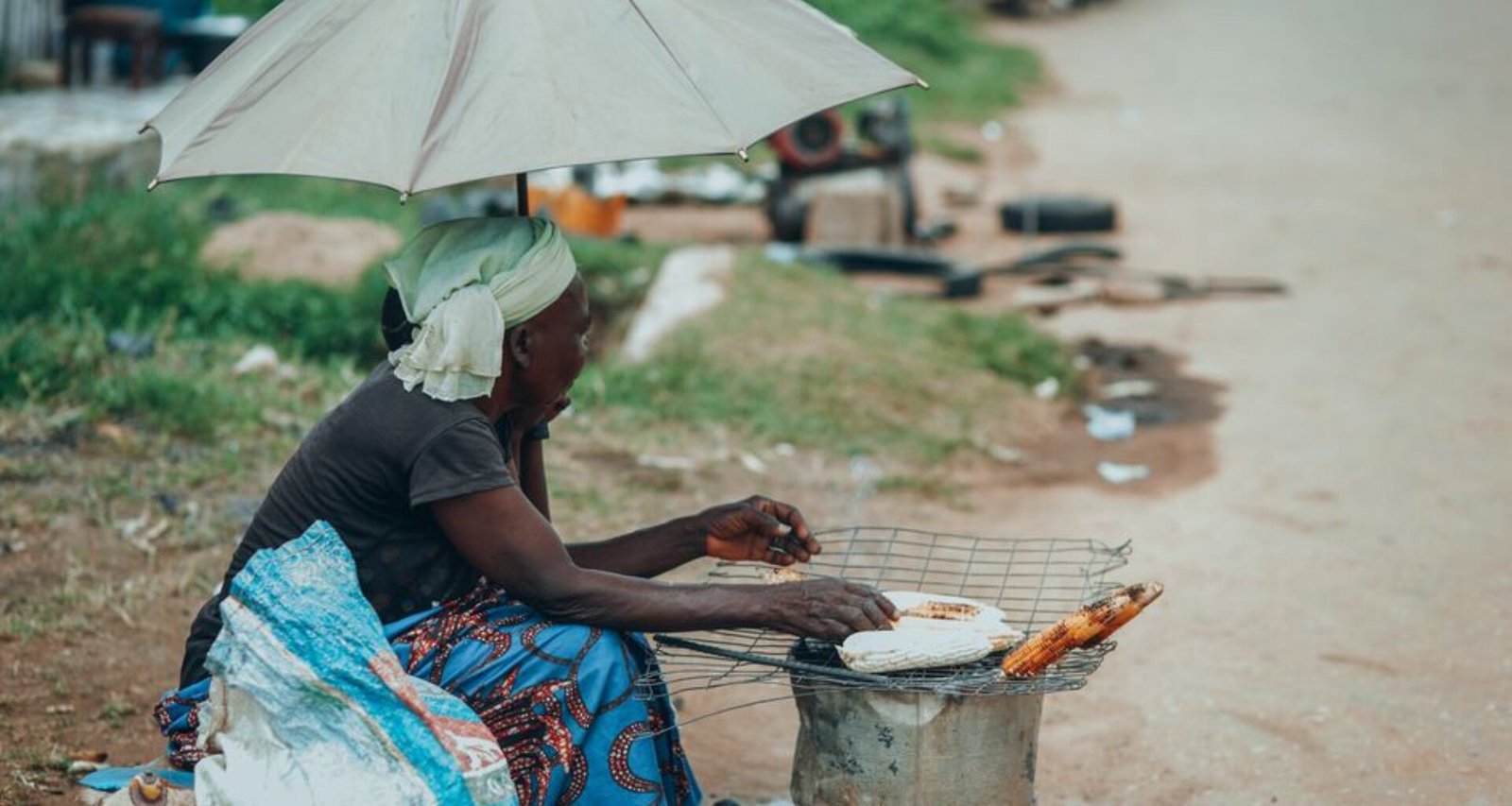
Monday commuters in Lagos and Nairobi are seeing more clean cookstove vendors than ever this July, as the International Energy Agency (IEA) confirms that Sub-Saharan Africa is experiencing its fastest annual increase in access to clean cooking on record. The IEA’s new report, released this morning, highlights an unprecedented rollout of LPG, electric, and improved biomass stoves across major urban centers. In the first half of 2026 alone, an estimated 40 million people gained access to clean cooking solutions—an increase largely driven by government-backed distribution in Nigeria, Ghana, and Ethiopia.
Despite these record numbers, the region’s explosive population growth continues to overshadow progress. The IEA estimates that over 1 billion people—nearly 80% of the region’s population—remain reliant on traditional biomass such as wood and charcoal. This reliance persists even as major NGOs like Clean Cooking Alliance and regional investors funnel unprecedented funding into distribution networks this season. According to the IEA, the number of people without access to clean cooking is actually rising in some rural districts, as birth rates outstrip the pace of infrastructure deployment.
This disconnect is especially evident in Central African countries, where remote communities report little change from last summer’s situation. On-the-ground monitoring by local health agencies shows continued high rates of respiratory illness linked to indoor smoke, raising concerns over SDG 3 (Good Health & Well-being) and SDG 7 (Affordable and Clean Energy) alignment. The IEA’s data also exposes a gap between headline-grabbing pledges and actual delivery: while Nigeria’s Energy Transition Plan promised 5 million new LPG connections by mid-2026, only about 60% have been verified through independent audits as of this week.
As the region’s leaders prepare for the upcoming African Union summit later this month, pressure is mounting on both governments and international donors to accelerate both funding and on-the-ground implementation. The IEA calls for a doubling of annual investment to at least $4 billion by the end of 2026 if sub-Saharan Africa hopes to bend the trajectory meaningfully before the end of the decade.
With heatwaves intensifying across West African cities and energy prices spiking in local markets this July, the urgency for scalable clean cooking solutions is on full display. The challenge now is not the lack of innovation or political will, but ensuring that delivery keeps pace with the region’s demographic realities.
Frequently Asked Questions
How many people in Sub-Saharan Africa gained access to clean cooking in the first half of 2026?
An estimated 40 million people in Sub-Saharan Africa gained access to clean cooking solutions in the first half of 2026.
What percentage of Sub-Saharan Africa’s population still relies on traditional biomass for cooking?
Nearly 80% of the region’s population, or over 1 billion people, still rely on traditional biomass like wood and charcoal.
How successful has Nigeria’s Energy Transition Plan been in providing new LPG connections by mid-2026?
Of the 5 million new LPG connections promised by Nigeria’s Energy Transition Plan by mid-2026, only about 60% have been independently verified so far.
Why is the number of people without clean cooking access rising in some rural areas?
In some rural districts, population growth is outpacing the deployment of clean cooking infrastructure, causing the number of people without access to rise.
How much investment does the IEA say is needed annually to meet clean cooking targets in Sub-Saharan Africa?
The IEA calls for doubling annual investment to at least $4 billion by the end of 2026 to meet clean cooking targets.