UN
UN
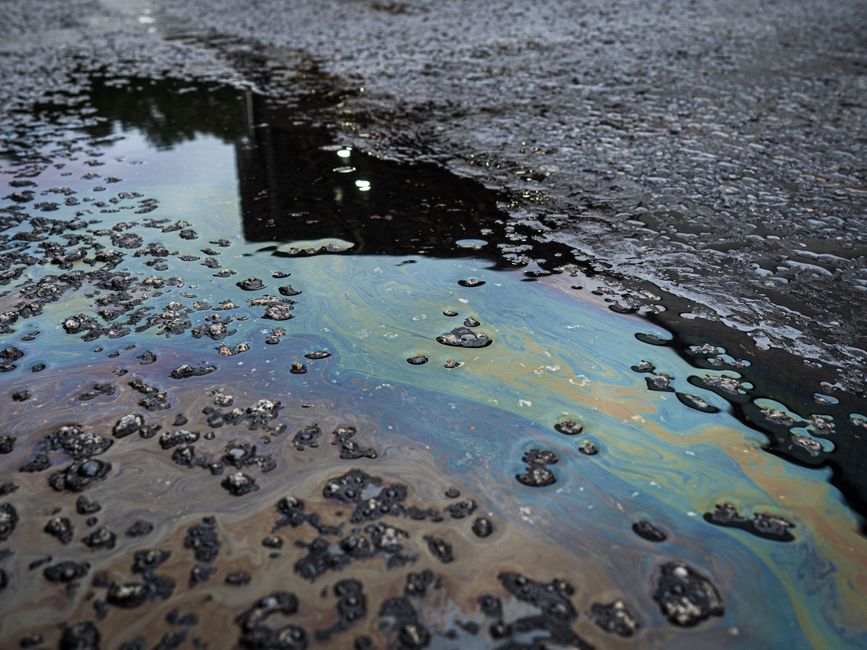
Nairobi National Park, a rare protected ecosystem located at the edge of Kenya’s capital city, faces a new environmental threat from suspected chemical pollution. On April 30, 2026, the Kenya Wildlife Service (KWS) alerted the public to abnormal foamy water entering the park, signaling potential contamination from industrial or urban discharge. The affected water flows into the park’s wetlands and streams, which serve as crucial habitats for diverse wildlife and as sources of water for surrounding communities.
This development raises alarms about the increasing pressure that Nairobi’s rapid urbanization and industrial activities exert on natural environments. Nairobi National Park is unique as the only protected savannah ecosystem bordering a major city, hosting endangered species such as black rhinos, lions, and cheetahs. The suspected chemical pollutants could disrupt the park’s fragile biodiversity, threaten animal health, and impair ecosystem services.
Also, contamination of water sources linked to the park could impact human populations reliant on these waters for drinking, agriculture, and sanitation. Kenya’s Vision 2030 and the Sustainable Development Goals emphasize the importance of safeguarding water quality and preserving biodiversity. This incident highlights ongoing challenges in balancing economic growth with environmental stewardship.
Experts stress the urgency of comprehensive investigations to identify pollutant sources and implement swift remediation measures. Strengthening regulatory frameworks and environmental monitoring around Nairobi’s industrial zones is critical to prevent future pollution events. Collaborative efforts between government agencies, local communities, and conservation organizations will be vital to protect Nairobi National Park and ensure sustainable urban development.
As Kenya continues to expand its urban and industrial footprint, maintaining the integrity of key natural assets like Nairobi National Park will be essential for achieving SDG 6 (Clean Water and Sanitation) and SDG 15 (Life on Land). The current pollution alert serves as a stark reminder of the environmental costs that unchecked urban pressures can impose on vital ecosystems.